
Essential Hair Care Tips: The Impact of Water Temperature on Hair Health
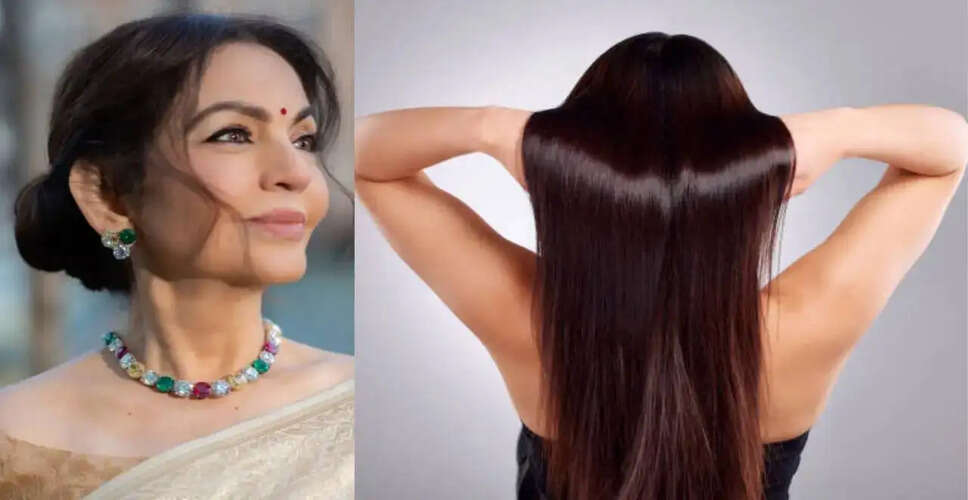

The Hidden Dangers of Hot Showers for Your Hair
Many individuals enjoy long, hot showers, but this habit could be harming your hair without you realizing it. Celebrity hairstylist Yianni Tsapatori, who has worked with renowned figures like Nita Ambani, Isha Ambani, and Deepika Padukone, recently shared a crucial haircare insight: refrain from washing your hair with excessively hot water. During a discussion on Soha Ali Khan's YouTube channel, Yianni highlighted that a frequent mistake is exposing hair to high temperatures while washing. He suggests that concluding your hair wash with a cool or cold rinse can significantly enhance shine, minimize frizz, and boost overall hair quality. “Understanding how hair functions, moves, and grows is essential,” he emphasized.
Why Hot Water Can Be Detrimental to Your Hair
While a hot shower may feel soothing, dermatologists and hair specialists caution that hot water can gradually weaken the hair shaft. Hair is safeguarded by an outer layer known as the cuticle, which consists of overlapping scales. When subjected to very hot water, these cuticles can lift and swell, leading to moisture loss and resulting in dry, coarse, and frizzy hair. Research has indicated that excessive heat can also compromise keratin, the protein responsible for hair's strength and elasticity. Over time, frequent exposure to hot water can lead to increased breakage, split ends, and a lackluster appearance. In contrast, cooler water helps to flatten and seal the cuticle layer, allowing hair to retain moisture and appear smoother and shinier.
Proper Scalp Washing Techniques
Yianni asserts that healthy hair begins with a healthy scalp. Many individuals concentrate solely on cleaning the visible hair strands while neglecting the scalp. He advises using fingertips—rather than nails—to gently massage the scalp during shampooing. This technique aids in removing excess oil, dirt, product buildup, and dead skin cells while promoting blood circulation. Additionally, he notes that the nape of the neck, located at the back of the head, is often overlooked during washing, yet proper cleansing of this area is vital for maintaining scalp hygiene.
The Effects of Hard Water on Hair
Another often-overlooked factor contributing to dull and lifeless hair is hard water. Hard water contains elevated levels of minerals like calcium and magnesium, which can accumulate on the hair shaft, resulting in rough texture, dull appearance, and manageability issues. Yianni recommends using filtered or bottled water for the final rinse if you reside in an area with hard water. This simple change can help reduce mineral buildup and enhance hair texture over time.
Recommended Hair Washing Routine
For healthier and shinier hair, experts suggest the following routine:
- Focus shampoo application on the scalp.
- Gently massage using your fingertips.
- Rinse thoroughly.
- Apply a nourishing hair mask to the mid-lengths and ends.
- Use conditioner to lock in moisture.
- Conclude with a cool water rinse.
- Gently pat your hair dry instead of rubbing it with a towel.
The key to healthier hair may not be found in pricey products but rather in modifying a simple shower habit. By steering clear of hot water, prioritizing scalp care, and shielding hair from hard water damage, you can achieve stronger, shinier, and more manageable hair. Often, the smallest adjustments yield the most significant beauty benefits.