
Essential Food Safety Tips for the Monsoon Season
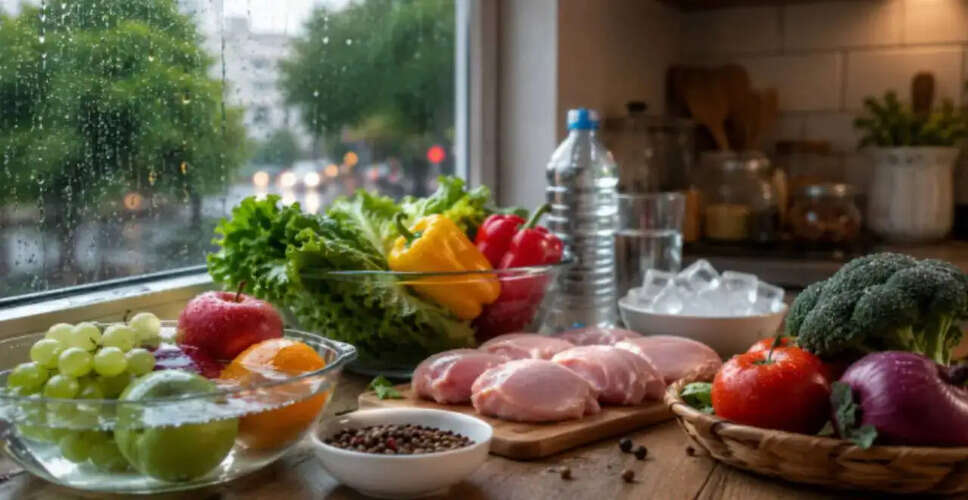

Understanding Monsoon Food Safety Risks
While the monsoon season offers a respite from the intense summer heat, it also creates ideal conditions for the proliferation of harmful microorganisms, including bacteria and viruses. In India, this time of year often sees a rise in cases of food poisoning, gastroenteritis, and other illnesses linked to food and water. Vandana Garg, an Assistant Professor in the Department of Nutrition & Dietetics at Manav Rachna International Institute of Research & Studies, notes that factors such as increased humidity, warm temperatures, water contamination, and improper food handling contribute to the rapid growth of bacteria like Salmonella, E. coli, Staphylococcus aureus, and Vibrio species. Vulnerable groups include children, pregnant women, the elderly, and those with compromised immune systems.
Common Food Safety Mistakes During Monsoon
1. Consuming Unwashed Produce
Fruits and vegetables can harbor harmful bacteria if not washed thoroughly with safe drinking water. Even items bought from reputable markets should be cleaned properly to minimize contamination risks.
2. Opting for Uncovered Street Food
Street food and chaats that are left uncovered are susceptible to dust, flies, and other contaminants. During the rainy season, these foods are more likely to carry disease-causing microorganisms, increasing the risk of food poisoning.
3. Leaving Food at Room Temperature
Cooked food that remains at temperatures between 10°C and 50°C for too long enters the "danger zone," where bacteria can multiply quickly. It's crucial to avoid leaving meals unrefrigerated for extended periods, especially in humid conditions.
4. Cross-Contaminating Foods
Using the same utensils or cutting boards for raw meat and ready-to-eat foods without proper cleaning can lead to the transfer of harmful bacteria. Garg emphasizes that raw meat, fish, and poultry can carry bacteria that may contaminate other foods.
5. Drinking Contaminated Water or Unsafe Ice
Contaminated water is a major cause of diseases like hepatitis A, hepatitis E, cholera, and gastroenteritis during the monsoon. Ice made from untreated water can also pose health risks. Experts advise consuming only boiled, filtered, or packaged water.
6. Neglecting Refrigerator Hygiene
While refrigerators can slow bacterial growth, they do not eliminate bacteria. Overcrowding, storing hot food immediately, keeping leftovers for too long, and failing to clean shelves can heighten contamination risks.
7. Poor Personal Hygiene
Unwashed hands, dirty kitchen towels, and contaminated clothing can easily transfer microbes to food. Regular handwashing with soap before cooking, eating, and after using the restroom is one of the simplest yet most effective ways to prevent foodborne illnesses.
Preventing Food Poisoning in the Monsoon
To reduce the risk of food poisoning during the monsoon, Garg recommends adopting several food safety practices:
- Consume freshly prepared meals whenever possible.
- Thoroughly wash fruits and vegetables with safe drinking water.
- Refrigerate leftovers within two hours of cooking.
- Reheat stored food until it is steaming hot.
- Use separate utensils for raw and cooked foods.
- Only drink boiled, filtered, or packaged water.
- Avoid beverages made with ice from unknown sources.
- Discard food that has an unusual smell, appearance, or texture.
- Regularly clean kitchen cloths, sponges, and dish towels.