
Ensuring Eye Safety for Kids During Holi Celebrations
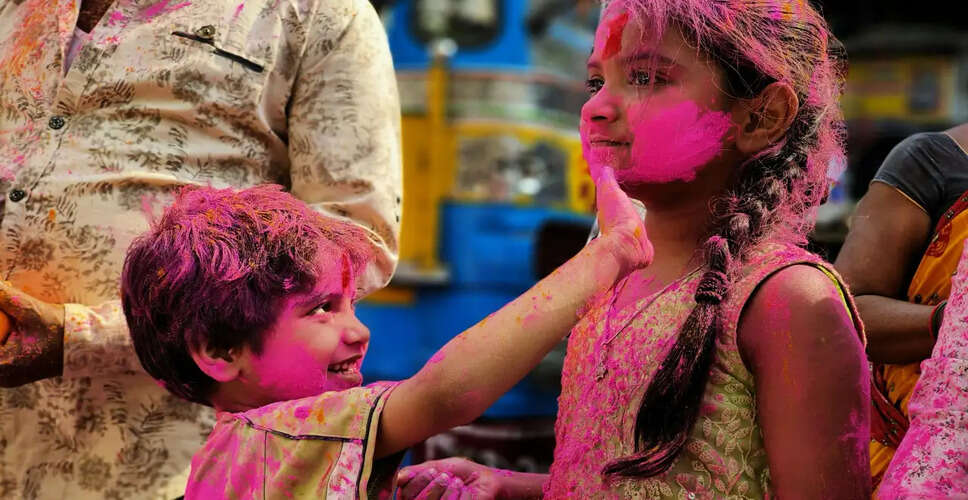
The Joy and Risks of Holi for Children
Holi, a vibrant festival celebrated across India, is filled with laughter, colors, and joy. However, for children, who are often the most enthusiastic participants, the excitement of water balloons and colorful powders can lead to potential hazards. Each year, pediatric ophthalmologists observe a significant increase in eye injuries during and after Holi, particularly among children. Understanding the reasons behind their heightened vulnerability can help parents safeguard their little ones while still enjoying the festivities.
Why Children's Eyes Are More Vulnerable
Children’s Eyes Are Structurally More Sensitive
The eyes of children are still developing, making them more sensitive to irritants. Their corneas are thinner, allowing chemicals to penetrate more easily. Additionally, their tear film is less stable, which hampers the eye's ability to flush out harmful particles. Young children also tend to blink less during play and are more likely to rub their eyes, which can escalate minor irritations into serious injuries.
Understanding Holi Colors and Their Risks
What’s Really Inside Holi Colours
The primary concern lies not in the colors themselves but in their composition. Traditional Holi powders were made from natural ingredients like turmeric and marigold, but many commercial options now contain industrial dyes, metal oxides, and artificial fragrances. Research has detected harmful substances such as lead chromate and mercury in some market samples, which can irritate or damage the eyes. Even so-called 'herbal' colors can be misleading, as vendors may sell synthetic powders labeled as natural. Liquid colors can also be harsh, with some containing alkaline agents that can cause burns.
Common Eye Injuries Associated with Holi
The Most Common Eye Injuries During Holi
Most eye injuries in children during Holi can be categorized into three types:
- Irritant conjunctivitis: This condition results in watery, red eyes due to powder entering the eye. While usually mild, it can be quite uncomfortable.
- Corneal abrasions: These are tiny scratches on the eye surface caused by coarse particles like mica, leading to pain, watering, and light sensitivity.
- Chemical injuries: The most severe type, these injuries occur from strong alkalis or metal-based powders, potentially causing blurred vision, intense pain, and long-term scarring.
Pediatric hospitals report numerous cases of these injuries each Holi, and prompt treatment significantly improves recovery outcomes.
Preventive Measures for Parents
What Parents Should Do Before Colours Come Out
Planning ahead can greatly enhance safety:
- Select colors from reputable brands and avoid unlabeled packets from street vendors.
- Ensure children wear protective eyewear, such as swim goggles or wraparound sports goggles.
- Apply coconut oil around the eyelids and eyebrows to prevent powder from sticking.
- Establish rules: no throwing colors directly at faces, and keep water balloons away from younger children.
Immediate Actions if Color Gets in the Eyes
What To Do If Colour Enters the Eyes
If color enters a child's eyes, swift action is crucial:
- Do not allow them to rub their eyes, as this can worsen abrasions.
- Rinse the eyes with clean water for at least 15 minutes, using room-temperature tap water while keeping the eye open gently.
- Avoid home remedies like milk or rose water, as they can cause more harm.
- If symptoms like redness, burning, or blurred vision persist, consult an ophthalmologist immediately.
Celebrating Holi Safely
A Safe, Joyful Holi Is Possible
Holi should be a day filled with joy, not hospital visits. By adopting basic safety measures, using safe colors, ensuring protective eyewear, and rinsing promptly, parents can help their children enjoy the festival while keeping their eyes safe. The goal is not to limit the fun but to ensure that kids can celebrate without fear of injury.