
Ensuring Child Safety at Home: Preventing Common Household Injuries

The Importance of Home Safety for Children
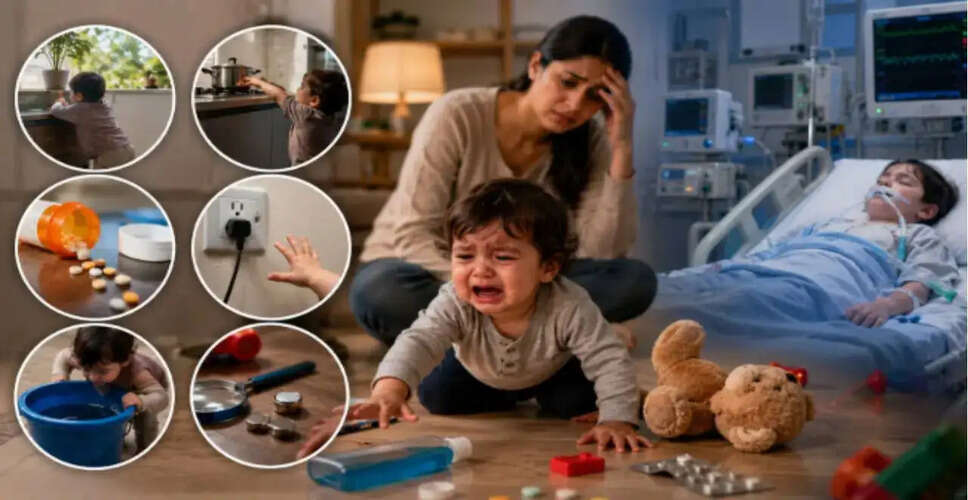
While homes are typically viewed as safe havens for children, medical professionals are increasingly alarmed by the rise in household injuries that necessitate visits to the Pediatric Intensive Care Unit (PICU). Incidents such as falls, burns, accidental poisoning, and choking are often preventable through heightened awareness and vigilant supervision. Experts indicate that children under five years old are particularly at risk due to their innate curiosity and exploratory behavior. Factors such as hectic lifestyles, easy access to hazardous household items, and brief lapses in supervision contribute to a surge in serious injuries at home. Dr. Bhawna Malik, a Senior Consultant - Neonatologist and Pediatric Intensivist at Motherhood Hospitals, emphasizes that many parents fail to recognize common household dangers until a crisis arises. “Children are naturally inclined to touch, taste, and interact with everything around them. A minor incident can escalate into a life-threatening situation,” she warns. “A momentary lapse in supervision can have dire consequences. Parents must acknowledge their children's curiosity; they often explore their environment, putting objects like toys in their mouths and handling sharp items, which can lead to accidents,” Dr. Malik adds.
Common Household Injuries in Children
Frequent Causes of Injuries
Falls and Head Injuries
Falls are a leading cause of PICU admissions among children. Accidents can occur when children slip from beds, sofas, stairs, or furniture, resulting in fractures, head trauma, and internal injuries. Hazards like wet floors and unsecured rugs further heighten these risks.
Burns and Scalds
Burns from hot liquids, kitchen appliances, irons, cooking surfaces, or excessively hot bath water are also commonly reported. Severe burns can inflict deep damage to the skin and may necessitate extensive medical treatment.
Accidental Poisoning
Household items such as medications, cleaning agents, detergents, pesticides, and chemicals can lead to accidental poisoning if left within children's reach. Young children often confuse colorful pills or liquids with food or candy.
Choking Hazards
Small objects like toys, coins, nuts, button batteries, and magnets pose significant choking risks. Ingesting these items can obstruct airways or cause severe internal injuries, making choking a critical household emergency for toddlers.
Electrical Injuries and Drowning
Exposed wires, faulty electrical devices, and open sockets can result in electric shocks and burns. Additionally, even small amounts of water in buckets, bathtubs, or tanks can create drowning hazards for unsupervised toddlers.
Preventing Household Injuries: Tips for Parents
Simple Safety Measures
Experts assert that many household injuries can be avoided with straightforward safety precautions. Installing childproof locks, safety gates, and window grills can significantly mitigate risks at home. Parents should ensure that sharp objects, medications, chemicals, and hot liquids are always out of children's reach. “There’s no need for panic; these injuries can be prevented with essential steps,” Dr. Malik advises. Close supervision is crucial, especially in kitchens, bathrooms, staircases, and near water-filled containers. Selecting age-appropriate toys that lack sharp edges or detachable parts can also help reduce choking risks. Furthermore, parents are encouraged to acquire basic first aid and CPR skills, as prompt action during emergencies can be lifesaving before professional help arrives. Creating a child-safe environment is not about restricting a child's freedom but rather about safeguarding them from preventable dangers. Through awareness, supervision, and proactive measures, families can foster a safer and healthier upbringing for their children.