
Embracing Traditional Indian Diets to Combat Lifestyle Diseases

Reviving Traditional Eating Habits
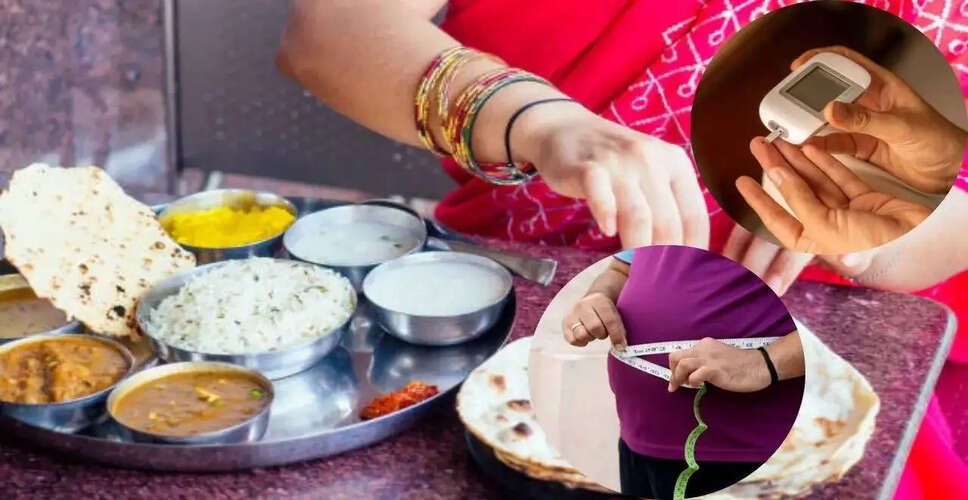
With the rise of ultra-processed foods and related health issues globally, Calley Means, an advisor to US Health Secretary Robert F. Kennedy, has highlighted India's traditional food practices as a potential solution for healthier living. He commended the Indian customs of enjoying fresh, home-cooked meals, engaging in fasting, and maintaining regular physical activity, suggesting these could be effective in addressing the escalating health crisis associated with processed foods. This discussion comes at a time when obesity, diabetes, heart disease, fatty liver disease, and metabolic disorders are becoming increasingly prevalent, largely due to the consumption of ultra-processed foods. Means stated during a virtual meeting with reporters and fellows from the Health Coverage Fellowship at the Harvard T.H. Chan School of Public Health, “Our goal is not to advocate for a single dietary approach but to promote a straightforward message: consume real food.”
The Concerns Surrounding Ultra-Processed Foods
Why are ultra-processed foods under scrutiny?
Ultra-processed foods encompass a variety of items such as packaged snacks, sugary beverages, instant meals, processed meats, refined baked goods, and heavily preserved convenience foods. Health professionals warn that these products are typically high in sugar, salt, unhealthy fats, additives, and artificial components, while lacking essential nutrients and fiber. Research increasingly links diets rich in ultra-processed foods to numerous health issues, including:
- Obesity
- Type 2 diabetes
- High blood pressure
- Heart disease
- Fatty liver disease
- Gut health issues
- Chronic inflammation
Modern urban lifestyles are making these foods more prevalent, particularly among younger demographics who often rely on food delivery services, fast food, and packaged snacks.
The Distinctiveness of Traditional Indian Eating
What makes traditional Indian eating different?
Means pointed out that traditional Indian dietary habits naturally align with many principles advocated by contemporary nutrition science. Historically, Indian diets have emphasized:
- Freshly prepared meals
- Seasonal fruits and vegetables
- Lentils and legumes
- Whole grains
- Fermented foods like curd and idlis
- Spices known for their anti-inflammatory properties
- Mindful meal timings
Moreover, traditional Indian cooking has relied less on industrial processing and more on home-based preparation methods. Health experts note that practices such as fasting during religious observances can offer metabolic benefits when approached safely. Studies indicate that intermittent fasting and time-restricted eating may enhance insulin sensitivity, blood sugar regulation, and reduce inflammation in certain individuals.
Incorporating Movement into Daily Life
What is the role of movement and daily activity?
Means also emphasized how traditional Indian lifestyles naturally integrated physical activity into daily routines. Activities such as walking, household chores, traditional farming, yoga, and sitting on the floor facilitated regular movement without the need for structured gym sessions. However, contemporary sedentary lifestyles, prolonged office hours, and excessive screen time are contributing to a rise in lifestyle-related diseases in India. Doctors caution that India is now facing a dual challenge: preserving healthy traditional practices while combating the increasing urban consumption of ultra-processed foods.
Can Traditional Practices Mitigate Lifestyle Diseases?
Can traditional habits really reduce lifestyle diseases?
Nutritionists suggest that reverting entirely to older lifestyles may not be feasible in modern urban environments. Nevertheless, many traditional dietary patterns still provide significant health benefits. Key strategies for maintaining a healthy and balanced lifestyle include prioritizing home-cooked meals, minimizing packaged food intake, increasing fiber consumption, ensuring balanced meals, practicing portion control, and remaining physically active. Additionally, maintaining a consistent sleep schedule is crucial. Experts advise against idealizing all traditional practices without scientific backing, as some older eating habits may still need to be balanced and adapted based on individual health conditions.
Addressing India's Lifestyle Disease Epidemic
India’s growing lifestyle disease crisis
India is currently experiencing significant increases in obesity, diabetes, hypertension, and cardiovascular diseases, particularly among urban populations. As global discussions around nutrition shift away from processed convenience foods, India's traditional practices regarding eating, fasting, and physical activity are increasingly recognized as valuable models for promoting long-term health and metabolic wellness.