
Eli Lilly's Retatrutide: A Potential Game-Changer in Obesity Treatment

Eli Lilly's Promising Results in Obesity Drug Development
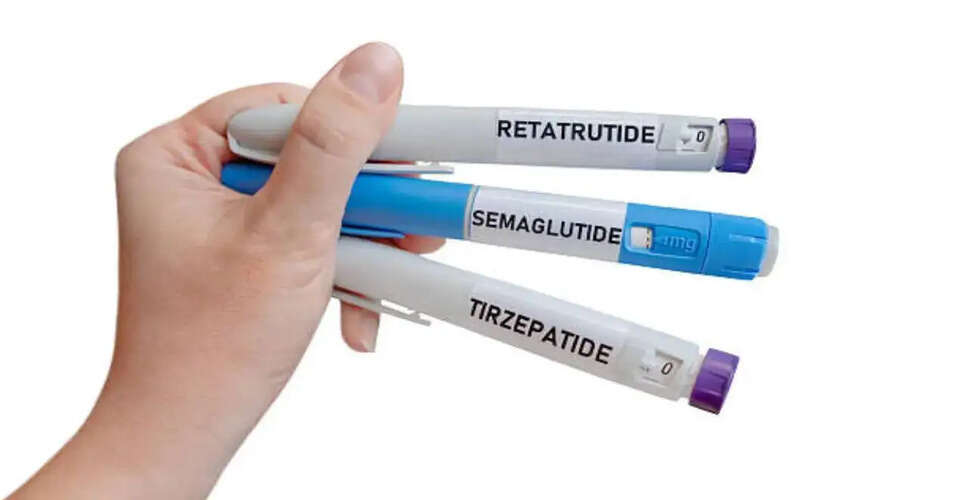
The competition in the obesity medication sector is intensifying as Eli Lilly and Company revealed impressive outcomes from late-stage clinical trials for its innovative weight loss drug, retatrutide. This next-generation treatment has shown remarkable weight loss results in individuals with obesity, sparking optimism that it may surpass existing popular GLP-1 medications like Ozempic, Wegovy, and Zepbound. In a Phase 3 trial involving approximately 2,500 participants, those receiving the highest dosage of Retatrutide experienced an average weight reduction of 28.3 percent, equating to around 70 pounds, over a span of 80 weeks. In contrast, the placebo group saw only a 2.2 percent weight loss. Health professionals have noted that these findings are among the most significant ever documented for a weight loss drug, with nearly 45 percent of participants achieving at least a 30 percent reduction in weight, a milestone typically linked to bariatric surgery rather than pharmacological treatments.
What Sets Retatrutide Apart?
What Makes Retatrutide Unique?
Retatrutide is referred to as a “triple G” obesity medication because it targets three distinct gut hormones that play roles in appetite, metabolism, and blood sugar management: GLP-1, GIP, and glucagon. In contrast, existing treatments like Wegovy primarily focus on GLP-1, while Zepbound addresses both GLP-1 and GIP. Researchers believe that Retatrutide’s multifaceted approach may account for its enhanced effectiveness in suppressing appetite and increasing calorie expenditure. Obesity specialists suggest that these results could signify a significant leap forward in obesity management, particularly for individuals facing severe obesity, diabetes risk, or cardiovascular issues. The trial also indicated that about 65 percent of participants on the highest dose achieved a body mass index (BMI) below 30, effectively moving them out of the obesity classification.
Lower Dose Shows Promising Tolerability
Lower Dose Demonstrates Better Tolerability
Interestingly, Eli Lilly also evaluated a lower 4-milligram dose of retatrutide. Patients receiving this dosage lost approximately 19 percent of their body weight, which is still comparable to many currently available obesity medications, but with fewer side effects. Experts highlight this as a crucial factor, given that gastrointestinal issues are a significant concern with GLP-1-based treatments. Common side effects reported in the study included nausea, diarrhea, constipation, and abdominal discomfort. At the highest dosage, around 42 percent of participants experienced nausea, while over 32 percent reported diarrhea. Some individuals also faced urinary tract infections and mild nerve-related sensations known as dysesthesia. However, Eli Lilly confirmed that no significant cardiac or liver safety concerns were noted during the trial.
The Expanding Global Obesity Drug Market
The Expanding Global Obesity Drug Market
The promising results of Retatrutide emerge as the global market for obesity and diabetes medications continues to grow rapidly. Analysts predict that this sector could surpass $100 billion in value by the 2030s. Eli Lilly currently holds a significant share of the obesity drug market with Zepbound, while competitor Novo Nordisk leads with Ozempic and Wegovy. Experts believe that if approved by regulatory bodies, Retatrutide could become one of the next major advancements in obesity treatment. Researchers also emphasize that this drug underscores the evolving perspective on obesity, which is increasingly recognized as a chronic metabolic condition rather than merely a lifestyle choice. While the medication is still pending regulatory approval, the latest trial findings suggest that the future of weight loss treatments may soon extend beyond the current GLP-1 therapies.