
Effective Ways to Stay Cool During Heatwaves: Foot Cooling Techniques

Stay Safe in Extreme Heat
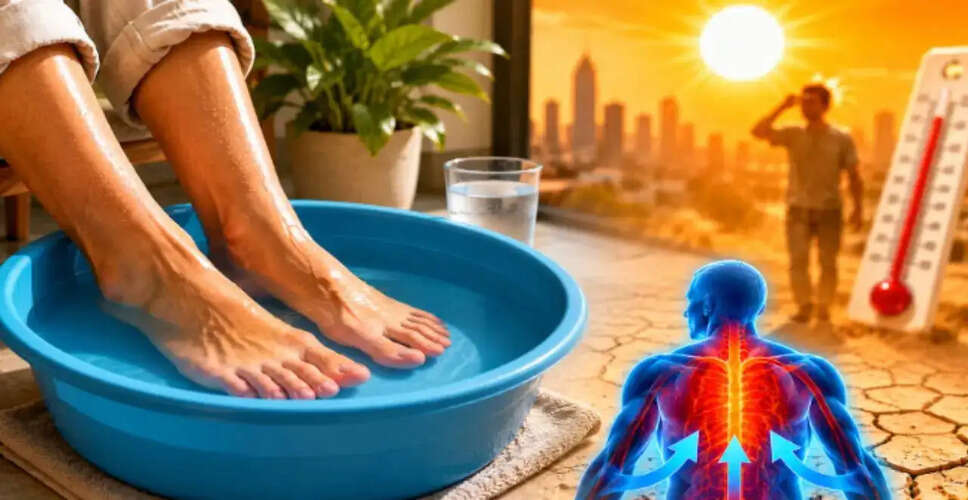
With dangerous heatwaves impacting various regions globally, individuals are looking for quick and effective methods to cool down and avoid heat-related illnesses. The Health Ministry has issued guidelines to help people stay safe during these high-temperature periods. One surprisingly effective technique involves cooling your feet. By soaking your feet and ankles in cool water, you can alleviate body heat, discomfort, dehydration, and stress during extreme temperatures. This method has gained popularity as it provides quick relief without the need for a full cold shower or air conditioning.
Why Cooling Your Feet is Beneficial
Understanding the Science Behind Foot Cooling
Medical professionals explain that the feet have numerous blood vessels located near the skin's surface. Cooling this area can help lower the temperature of circulating blood, enhancing the body's ability to regulate heat. When the body overheats, blood vessels expand to release heat through the skin. In extreme heat, this process can become overwhelmed, leading to heat exhaustion, dehydration, fatigue, dizziness, and heatstroke. Experts suggest that cooling the feet can aid in faster recovery by assisting in temperature regulation and alleviating physical stress caused by heat.
Research Insights on Foot Cooling
What Studies Reveal
Research indicates that immersing feet in water at around 20°C (68°F) can effectively cool the body while minimizing discomfort during hot weather. Unlike ice baths, which may shock the body or constrict blood vessels too much, moderately cool water provides a safer and more sustainable cooling option. This method is particularly beneficial for:
- Outdoor workers
- Athletes
- Older adults
- Individuals without air conditioning
- Those recovering from heat exposure
How to Properly Cool Your Feet
Guidelines for Effective Foot Cooling
Health experts recommend the following practices for safe cooling:
Use Cool Water, Not Ice-Cold
The water should feel pleasantly cool, not painfully cold, as extremely cold water can cause sudden blood vessel constriction and discomfort.
Immerse Feet Above the Ankles
Submerging feet and ankles is more effective for cooling blood vessels.
Cool for 10–20 Minutes
Short cooling sessions are typically sufficient for helping the body recover.
Stay Hydrated
Foot cooling should complement hydration. Regularly drink water or electrolyte-rich fluids during heatwaves.
Combine with Other Cooling Methods
Doctors suggest pairing foot cooling with:
- Loose cotton clothing
- Fans or ventilation
- Shade or indoor cooling
- Limiting outdoor activities during peak heat
At-Risk Groups During Heatwaves
Who Needs to Be Extra Cautious?
Experts caution that certain demographics are at a higher risk for heat-related illnesses, including elderly individuals, young children, pregnant women, those with heart conditions, diabetics, outdoor laborers, and underweight or dehydrated persons. Ignoring warning signs can lead to life-threatening heatstroke within minutes.
Recognizing Heat Exhaustion and Heatstroke
Signs to Watch For
Seek medical help if you experience symptoms such as:
- Confusion
- Rapid heartbeat
- Heavy sweating or sudden cessation of sweating
- Nausea
- Vomiting
- Fainting
- Severe weakness
- Difficulty breathing
Heatstroke is a medical emergency that requires immediate cooling and urgent care.
The Importance of Heatwave Awareness
Why Awareness Matters
As climate change leads to more frequent and intense heat events worldwide, simple cooling strategies are becoming increasingly vital for public health. While cooling your feet is not a miracle solution, experts agree it can be an effective method for safely reducing heat stress during extreme weather. The key message is to recognize early signs of heat-related issues, stay hydrated, avoid prolonged exposure to heat, and take overheating seriously before it escalates into a life-threatening situation.