
Effective Strategies to Manage High Cholesterol on a Budget

Understanding High Cholesterol
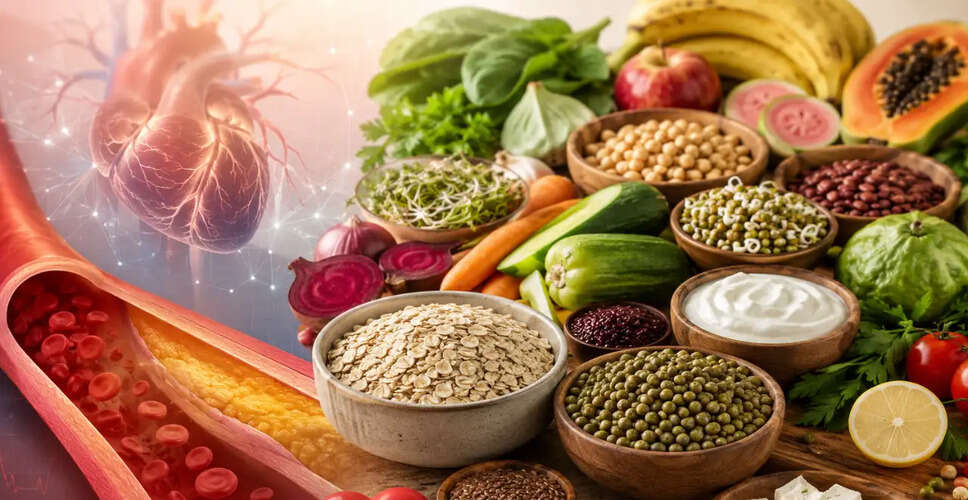
High cholesterol often goes unnoticed until it causes significant health issues. The accumulation of fat and plaque in arteries can impede blood flow, leading to serious cardiovascular complications, as highlighted by a report from the Mayo Clinic. To address this, we consulted Dr. Nisha Mandal, a Dietary and Nutrition expert at Motherhood Hospital Gurgaon, for budget-friendly strategies to manage high cholesterol, aiming for a weekly grocery budget of ₹1,000.
Weekly Grocery Recommendations
Weekly Grocery List
1. Whole GrainsOats - 500 grams
Whole wheat flour - 2 kilograms
Brown rice or hand-pounded rice - 1 kilogram
2. Pulses and Protein
Moong dal - 500 grams
Black chana or chickpeas - 500 grams
Rajma or lobia - 500 grams
Paneer - 400 to 500 grams
Curd - 1 kilogram
3. Vegetables
Onion - 1 kilogram
Tomato - 1 kilogram
Lauki, tori or tinda - 1 to 1.5 kilograms
Spinach or methi - 2 bunches
Carrot - 500 grams
Beetroot - 500 grams
Cucumber - 500 grams
Lemon - 4 to 5 pieces
4. Fruits
Bananas - 1 dozen
Guava, papaya, apples (seasonal) - mixed quantity
5. Healthy Fats and Seeds
Flaxseed - 200 grams
Peanuts - 500 grams
6. Spices and Basics
Garlic
Ginger
Turmeric
Cumin
Methi seeds
7. Cooking Oil
Mustard oil or groundnut oil - 500 ml
Key Foods to Include
Dr. Mandal emphasizes the importance of including oats, moong dal, seasonal vegetables (especially leafy greens), flaxseeds, and low-fat curd in your diet to effectively manage cholesterol levels. Oats contain beta-glucan fiber, which is beneficial for lowering LDL cholesterol, while dals provide an affordable source of protein and soluble fiber. These foods help curb cravings and prevent overeating, making them a healthier choice compared to processed snacks like bread and biscuits. Leafy greens are rich in fiber, potassium, and antioxidants, while flaxseeds are an economical source of Omega-3 fatty acids that promote heart health. Incorporating just a tablespoon of flaxseed daily can significantly benefit heart health, whether added to curd, flour, or sprinkled on vegetables. Low-fat curd serves as a gut-friendly protein source that aids in satiety without the added saturated fat. Dr. Mandal advises against frequent consumption of packaged flavored yogurts.
Meal Preparation Suggestions
Preparation Cues
Breakfast IdeasDr. Mandal recommends high-fiber breakfast options such as vegetable upma made with oats, onions, tomatoes, carrots, and peas; moong dal chilla with spinach and onion; oats vegetable cheela served with curd and grated vegetables; vegetable poha with sprouts; or a fruit bowl with curd and flaxseed powder.
Lunch Suggestions
For lunch, consider rajma with brown rice accompanied by cucumber salad, lauki chana dal for a light and filling meal, palak moong dal with roti for protein and iron, a chana salad bowl with onions, tomatoes, lemon, and cucumber, or a vegetable khichdi made with moong dal and assorted vegetables. For evening snacks, options include roasted chana, peanut chaat, buttermilk with roasted cumin, a fruit and flaxseed mix, or homemade sprout chaat.
Dinner Choices
For dinner, Dr. Mandal suggests paneer bhurji with roti using minimal oil, a mixed vegetable dal soup with moong dal, carrots, tomatoes, and spinach, stuffed lauki or tori, high-fiber vegetable daliya, or chana spinach curry with roti.
Cooking Methods and Progress Monitoring
Maintaining a clean diet while managing high cholesterol doesn't have to be overwhelming. Dr. Mandal recommends gradually improving cooking oil choices, with mustard oil and groundnut oil being the best options. Preferred cooking methods include steaming, pressure cooking, boiling, grilling, roasting, air frying, and light sautéing with minimal oil. Spices such as turmeric, methi seeds, cinnamon, cumin, black pepper, and coriander seeds can aid in lowering cholesterol, along with ginger and garlic. Avoid deep frying, reusing oil, heavy butter-based cooking, excessive sugar in beverages, and packaged gravies and sauces.