
Effective Remedies for IBS: Tips from a Harvard-Trained Doctor

Understanding IBS and Its Symptoms
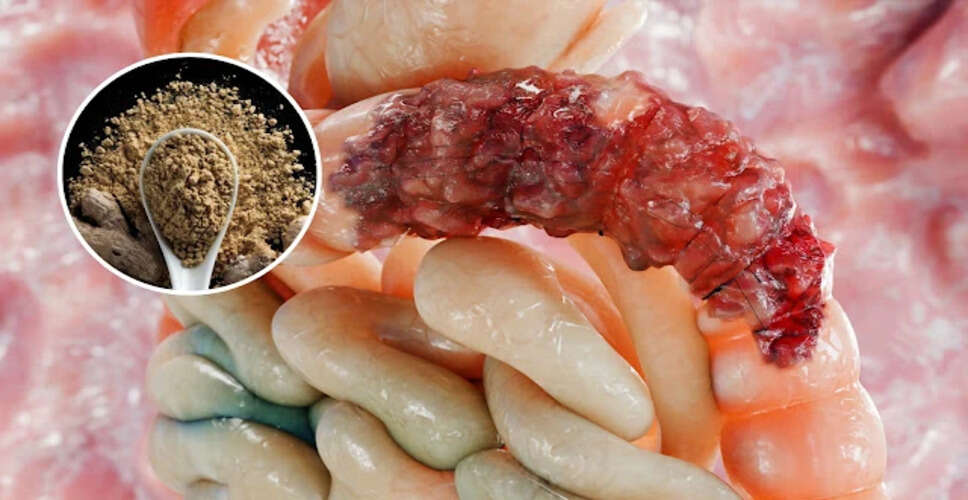
Experiencing gas or bloating immediately after meals, or feeling unrelieved after a bowel movement, may indicate Irritable Bowel Syndrome (IBS). A Harvard-trained doctor has outlined ten strategies to help manage this condition.
The digestive system plays a crucial role in overall health, as what you consume directly impacts your body. Consuming unhealthy foods can increase the risk of various ailments, and an unhealthy gut can lead to further complications.
IBS is a common digestive disorder characterized by various gastrointestinal issues. Symptoms can include abdominal pain, excessive gas, bloating, diarrhea, constipation, mucus in stools, and a sensation of fullness even after a bowel movement.
Doctor's Recommendations for Managing IBS
Before resorting to medication, Dr. Saurabh Sethi suggests these ten remedies to cleanse your digestive system:
Follow a Low FODMAP Diet: This diet excludes foods that often cause gas and bloating, including certain vegetables, fruits, nuts, and seeds.
Ginger Powder: Ginger has anti-nausea properties. Boil a half-inch piece of ginger in water and sip it slowly. Alternatively, ginger powder is readily available at grocery stores.
Peppermint: Peppermint oil and tea can relax the muscles of the digestive system. Research indicates that they may alleviate IBS symptoms. However, avoid this remedy if you suffer from acid reflux.
Chamomile Tea: This herbal tea can reduce digestive issues and improve IBS symptoms while enhancing sleep quality. It is advisable to consume it in the evening.
Soluble Fiber: Gradually increase your intake of soluble fiber through foods like oats and bananas, which can help prevent constipation and diarrhea by clearing out trapped waste in the intestines.
Additional Tips for IBS Management
Here are five more recommendations for managing IBS:
- Drink at least 2 liters of water daily.
- Engage in regular aerobic exercise.
- Consider probiotics as advised by your doctor.
- Limit caffeine and alcohol intake.
- Ensure a minimum of 7 hours of sleep each night.
Disclaimer: This article is intended for informational purposes only. The accuracy and effectiveness of the information provided are not guaranteed. Always consult your doctor for medical advice.