
Effective Clean Eating Strategies for Blood Sugar Management on a Budget
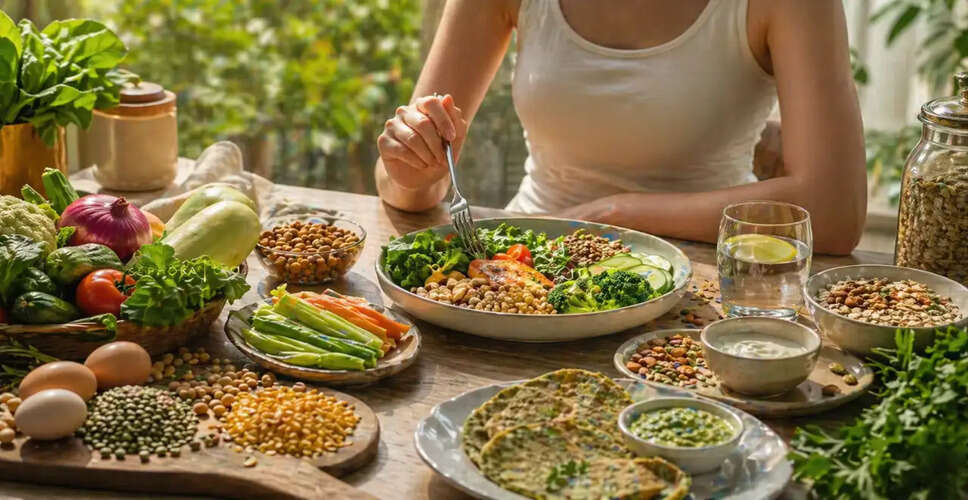

Navigating Clean Eating for Blood Sugar Balance
Maintaining a clean and healthy diet can be challenging, especially when it comes to managing blood sugar levels. It's not solely about the foods you choose, but also the timing, combinations, and methods of consumption. Various factors play a role, such as how different foods with similar carbohydrate content can affect your body differently, the intervals between meals, and the impact of sleep, stress, and hydration. To assist individuals in achieving their blood sugar balance goals within a budget of ₹1,000 per week, we consulted Rashi Chahal, a Nutritionist at La Femme Hospital in New Delhi.
Weekly Grocery Essentials
1. Grains and MilletsWhole wheat flour, particularly with bran, is recommended as the main carbohydrate source. Rolled oats serve as a lighter alternative that is high in fiber. Additionally, millets such as jowar, bajra, and samak are excellent choices.2. Protein Sources
Incorporating dal is crucial for blood sugar management. Chahal recommends whole moong, masoor dal, black or white chana dal, and soyabean dal. Dairy options include curd, milk, and paneer, but moderation is essential. Other protein-rich foods to consider are eggs, chicken, and fish, while vegetarian sources include soyabean, sprouts, and tofu. Roasted chana is also a convenient snack option.3. Vegetables
Opting for seasonal vegetables is not only cost-effective but also beneficial for health. Good choices include laal saag, various gourds like lauki, tinda, tori, and gobhi. Supplementary vegetables such as tomatoes, onions, eggplant, lady fingers, and cucumbers are also recommended.4. Healthy Fats
A small quantity of mustard or groundnut oil should suffice for the week. Snacking on peanuts, nuts, and seeds in moderation is encouraged. Even during tight budget weeks, Chahal emphasizes the importance of including complex grains like wheat and bran, as well as oats due to their low glycemic index. Dal provides essential protein and fiber, while seasonal vegetables are vital. Peanuts contribute healthy fats and satiety, and curd is excellent for gut health and protein intake. Specifically, dal, chana, and eggs help prevent blood sugar spikes, while fiber from vegetables slows glucose absorption. Healthy fats, even in small amounts, enhance insulin response and slow glucose breakdown.Chahal suggests preparing lauki cheelas using whole wheat, millet flour, or besan. Oats and vegetable appe served with peanut chutney make a nutritious meal. For snacking, parsley hummus paired with cucumber and carrot sticks is a healthy option. For a refreshing treat, consider a cold fruit salad made with pureed apples, mint, ginger, and lemon dressing.