
Ebola Outbreak in Congo Surpasses 1,000 Cases Amid Ongoing Conflict
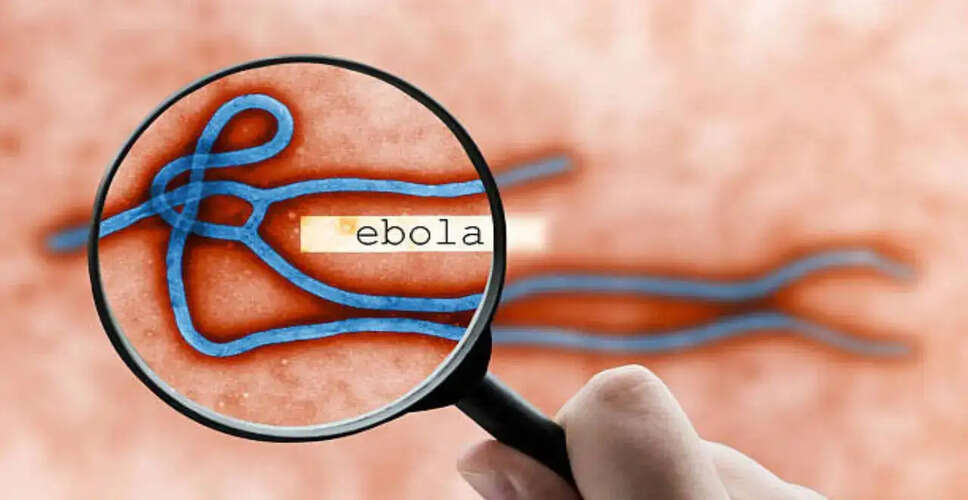

Ebola Crisis in the Democratic Republic of Congo
The Democratic Republic of Congo is currently facing a severe Ebola outbreak, with the number of confirmed cases exceeding 1,000 and 254 fatalities reported, as stated by the Ministry of Health. This outbreak, primarily located in the conflict-ridden Ituri province, poses significant challenges to public health due to ongoing violence, restricted access to healthcare, and the lack of an approved vaccine or treatment for the specific strain of the virus involved. Officially declared on May 15, this outbreak is attributed to the Bundibugyo strain of the Ebola virus, which is rare and for which no licensed vaccine or specific antiviral treatment is available. Health officials caution that the outbreak may still be in its initial phases, suggesting that the actual number of infections could be significantly higher than what has been documented.
Current Statistics of the Outbreak
Congo's Ebola outbreak continues to grow
Recent data from the Ministry of Health reveals the following statistics:
- 1,003 confirmed cases of Ebola
- 254 confirmed deaths
- 100 individuals have recovered
- 365 patients are currently hospitalized or in isolation
While these figures are concerning, experts believe they may not accurately reflect the true extent of the outbreak, as many cases remain unreported. Surveillance teams are facing difficulties in identifying every case, especially in remote areas plagued by insecurity.
Challenges in Controlling the Outbreak
Why is this outbreak so difficult to control?
One of the primary challenges is the process of contact tracing, which is essential for identifying and monitoring individuals who have been in contact with infected patients. Officials report that they have only achieved 55% coverage in contact tracing, leaving thousands of potential exposures unmonitored. Over 35,000 individuals who may have interacted with infected persons still need to be traced. Additionally, the initial case of the outbreak, often referred to as 'patient zero,' has not yet been identified. Without this information, public health experts find it increasingly difficult to comprehend the virus's spread. Identifying the first case is crucial for managing Ebola outbreaks and understanding how the virus transmits.
Impact of Conflict on Healthcare
Conflict is fueling the health crisis
The outbreak is occurring in eastern Congo, where ongoing armed conflict severely disrupts healthcare services. Attacks by the Allied Democratic Forces (ADF), an armed group associated with the Islamic State, have forced many residents to flee their homes. Displaced families are now living in overcrowded camps, which facilitate the spread of infectious diseases. The violence has also hindered healthcare workers from safely accessing numerous villages, delaying the diagnosis, isolation, and treatment of infected individuals.
Understanding the Bundibugyo Virus
What is the Bundibugyo Ebola virus?
The Bundibugyo virus is one of several strains of the Ebola virus that causes Ebola virus disease (EVD). Similar to other Ebola viruses, it transmits through direct contact with the blood or bodily fluids of infected individuals, contaminated objects like clothing or bedding, and infected animals. Unlike some other strains, there is currently no approved vaccine or specific treatment for Bundibugyo Ebola, making supportive medical care the primary method of treatment.
Recognizing Ebola Symptoms
Signs and symptoms of Ebola
Initial symptoms often mimic those of other viral infections and may include:
- Sudden fever
- Severe headache
- Muscle and joint pain
- Weakness and fatigue
- Sore throat
- Vomiting and diarrhea
- Abdominal pain
- Rash
- Internal and external bleeding
- Multi-organ failure in severe cases