
Early Surge of West Nile Virus Raises Alarm Among Health Officials
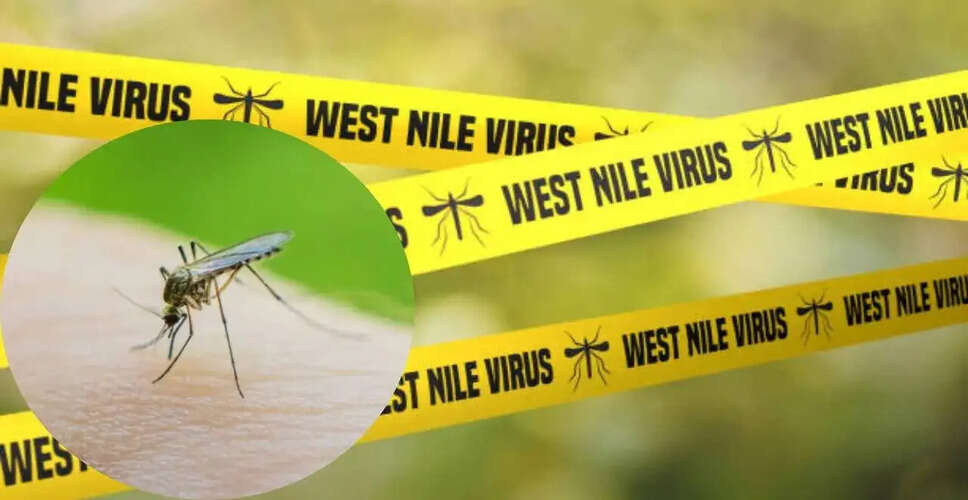

Introduction to West Nile Virus Concerns
The onset of the West Nile virus season has occurred earlier and with unprecedented intensity, prompting a critical alert from the Centers for Disease Control and Prevention (CDC). Recently, the CDC reported 48 confirmed human cases, including 38 severe infections, which is significantly higher than the typical average of about 10 cases by the end of June. Health officials emphasize that this early spike serves as a stark reminder of the ongoing threat posed by mosquito-borne illnesses, particularly during the summer months. With an increase in outdoor activities, experts are advising the public to adopt straightforward preventive measures to lower the risk of infection.
Why the Early Surge is Worrisome
Why is the early West Nile virus surge concerning?
The CDC has identified West Nile virus activity in 23 states, marking the highest number of affected states in a decade. Arizona is experiencing the most significant impact, with 32 reported cases, including 29 in Maricopa County and four fatalities this year. Experts are cautioning families to be vigilant when outdoors to avoid mosquito bites.
Understanding West Nile Virus
What is the West Nile virus?
The West Nile virus (WNV) is primarily transmitted through the bite of an infected mosquito. These mosquitoes become carriers after feeding on birds that harbor the virus, subsequently passing it on to humans and other animals. The virus was first detected in the United States in 1999 and spread rapidly, peaking in 2003 with nearly 10,000 reported cases. Health officials currently estimate that thousands of infections occur annually, many of which remain undiagnosed due to mild or absent symptoms.
Symptoms of West Nile Virus
Signs and symptoms of the West Nile virus
Approximately 80% of individuals infected with the virus show no symptoms. However, some may experience mild illness characterized by fever, headache, body aches, joint pain, fatigue, skin rash, nausea, vomiting, or diarrhea. Symptoms typically manifest between 2 to 14 days following a mosquito bite.
Severe Cases of West Nile Virus
Severe West Nile virus can be life-threatening
In rare instances, the virus can affect the brain and spinal cord, leading to severe neurological conditions. Serious complications may include encephalitis (brain inflammation), meningitis, acute flaccid paralysis, confusion, muscle weakness, seizures, or coma. Medical professionals indicate that about 1 in 150 infected individuals may develop severe neurological illness, which can be fatal.
Identifying High-Risk Groups
Who is most at risk?
The likelihood of severe disease is heightened among:
- Individuals aged 60 and older
- People with diabetes
- Those with hypertension
- Cancer patients
- Organ transplant recipients
- Individuals with compromised immune systems
Older adults are particularly susceptible to long-term neurological complications following infection.
Preventive Measures Against West Nile Virus
Simple ways to prevent West Nile virus
As there is no specific antiviral treatment or vaccine for West Nile virus, prevention remains the most effective strategy. Health experts recommend using EPA-approved insect repellents containing DEET or oil of lemon eucalyptus, wearing long-sleeved shirts and long pants, avoiding outdoor activities during dawn and dusk when mosquitoes are most active, ensuring window and door screens are intact, eliminating standing water around homes, frequently changing water for pets and birds, and utilizing mosquito nets when necessary. Public health officials emphasize that even small amounts of standing water can serve as breeding grounds for mosquitoes, making regular inspections crucial. While most West Nile virus infections are mild or asymptomatic, the potential for severe neurological disease and death, especially among older adults and those with weakened immune systems, underscores the importance of taking preventive actions such as using insect repellent, wearing protective clothing, and removing standing water to significantly reduce the risk of infection.