
Doja Cat Brings Attention to Lipedema: Understanding the Condition
Doja Cat's Personal Revelation
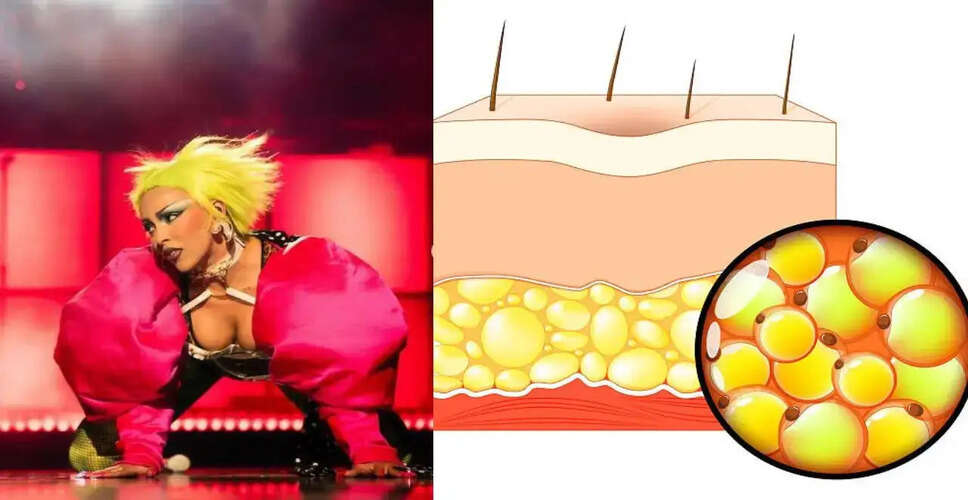
Recently, global music sensation Doja Cat shared her belief that she may be experiencing lipedema, a chronic condition that leads to unusual fat accumulation beneath the skin. In a TikTok video, she described this realization as an epiphany, noting that lipedema is prevalent in her family. For a long time, she thought her symptoms were merely cellulite, a misconception many women can relate to. In her video, Doja Cat discussed how fat has accumulated in her lower body over the years, particularly around her thighs, knees, calves, and hips. She remarked, “If you look at my knees… I had big knees, like really big knees.” She clarified that she wasn’t significantly overweight but had experienced substantial fat accumulation in her lower body. This candid admission has ignited a broader conversation online, shedding light on a condition that is often underdiagnosed and misidentified.
Understanding Lipedema
What is Lipedema?
Lipedema is a chronic disorder marked by the abnormal buildup of fat cells, primarily in the legs, thighs, hips, and sometimes the arms. Unlike typical weight gain, this fat can be painful, resistant to diet and exercise, and may worsen over time. One reason lipedema is frequently overlooked is its similarity to cellulite or obesity. However, there are significant distinctions; lipedema fat is usually symmetrical, may bruise easily, and is often accompanied by tenderness or pain, whereas cellulite is primarily a cosmetic issue that does not cause discomfort.
Challenges in Diagnosis
Why is Lipedema Often Misdiagnosed?
Despite affecting around 11% of women globally, lipedema is still poorly understood, even among healthcare professionals. Many individuals are advised to lose weight or increase their physical activity, only to find that their symptoms persist. Awareness is crucial, as it can help individuals recognize symptoms in themselves and seek medical attention sooner. Unfortunately, lipedema is often dismissed as mere weight gain, leading to delayed diagnoses, emotional distress, and worsening conditions. Additionally, societal stigma surrounding body image can deter individuals from seeking help, as symptoms are often attributed to lifestyle choices rather than a medical issue.
Recognizing Symptoms
Signs and Symptoms of Lipedema
In its advanced stages, lipedema can hinder mobility and significantly impact quality of life. Common signs and symptoms include:
- Uneven fat distribution in the lower body
- Pain or tenderness in affected areas
- Frequent bruising
- Swelling that worsens throughout the day
- Fat that does not respond to diet or exercise
Treatment Options
Can Lipedema Be Treated?
Currently, there is no cure for lipedema, but early diagnosis can help manage symptoms and slow its progression. Treatment options typically include compression therapy, manual lymphatic drainage, exercise, and in some cases, specialized liposuction tailored for lipedema patients. Medical professionals emphasize that lifestyle changes alone are often insufficient, highlighting the importance of medical recognition. Doja Cat's candidness has significantly contributed to raising awareness about this condition. Social media platforms are increasingly becoming venues for individuals to share their experiences with chronic conditions, aiding others in recognizing symptoms and seeking assistance.