
Dipika Kakar Discusses the Emotional Impact of Regular Cancer Check-Ups

Dipika Kakar's Health Journey
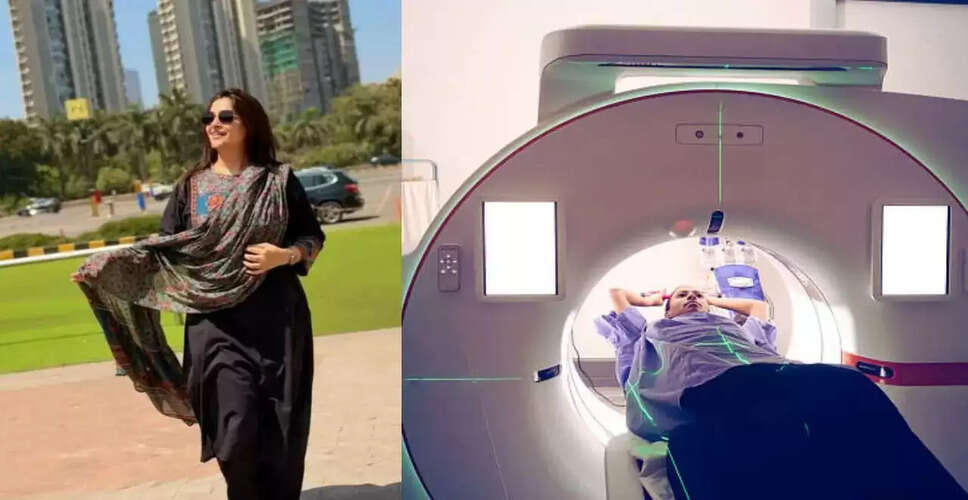
Dipika Kakar recently shared her experiences regarding the emotional challenges she encounters during her ongoing medical evaluations related to her post-cancer care. Her latest health update underscores the significance of regular screenings and monitoring in cancer treatment. Currently, she undergoes monthly MRI scans as part of her health regimen, emphasizing the critical nature of early detection and consistent follow-ups in potentially saving lives. In a vlog on her husband Shoaib Ibrahim's YouTube channel, the 39-year-old actress expressed that these scans remain an emotionally taxing experience, despite becoming a routine aspect of her recovery. “I felt anxious. I cried before and during the scan. Sometimes, crying helps alleviate anxiety, and for me, it’s quite beneficial,” she shared.
Importance of MRI Scans in Cancer Treatment
Why are MRI scans important in cancer care?
Magnetic Resonance Imaging (MRI) serves as a vital diagnostic method that delivers intricate images of various organs and tissues. In the realm of cancer care, MRI scans are crucial for early tumor detection, monitoring cancer progression, assessing treatment efficacy, and identifying recurrences at an early stage. Unlike some imaging methods, MRI does not involve radiation, making it a safe option for ongoing monitoring throughout long-term treatment plans.
The Necessity of Regular Cancer Screenings
The role of regular cancer screening
One of the significant hurdles in cancer treatment is the late diagnosis of the disease. Many cancers exhibit few or no symptoms in their initial stages. Regular screenings can help identify abnormalities before they escalate. Experts advocate for routine screenings based on factors such as age, family history, and individual risk factors. Recommended screenings may include:
- MRI scans for certain cancers
- Mammograms for breast cancer
- Colonoscopy for colorectal cancer
- Blood tests and imaging for high-risk individuals
The Need for Monthly Monitoring
Why is monthly monitoring needed?
In specific situations, healthcare providers recommend frequent scans, including monthly MRI tests, particularly when tracking treatment progress, monitoring aggressive or recurrent cancers, assessing recovery post-surgery, and ensuring no new tumor development. Although this may seem daunting, medical professionals assert that it is essential for timely interventions. Research consistently indicates that early detection of cancers correlates with significantly improved survival rates. Treatments initiated at an early stage are typically less invasive, more effective, and yield better outcomes. Warning signs that should never be overlooked include:
- Unexplained weight loss
- Persistent fatigue
- Lumps or unusual swelling
- Changes in skin or moles
- Chronic pain or unexplained symptoms
The Importance of Mental Health
Emotional and mental health are extremely important
Living with a chronic illness or undergoing frequent medical tests can significantly impact mental well-being. Anxiety regarding scan results, often referred to as “scanxiety,” is a common experience among patients. Experts recommend seeking emotional support from family or counselors, practicing mindfulness or relaxation techniques, and staying informed while avoiding misinformation. Dipika’s recent update is raising awareness about preventive healthcare and cancer screenings in India. With the increasing incidence of cancer, healthcare professionals stress the importance of proactive health check-ups over reactive treatments. Regular MRI scans and screenings are not merely routine procedures; they are essential tools in the battle against cancer. While frequent monitoring can be challenging, it greatly enhances the likelihood of early detection, effective treatment, and long-term survival.