
Diljit Dosanjh Reveals His Battle with Gallbladder Stones
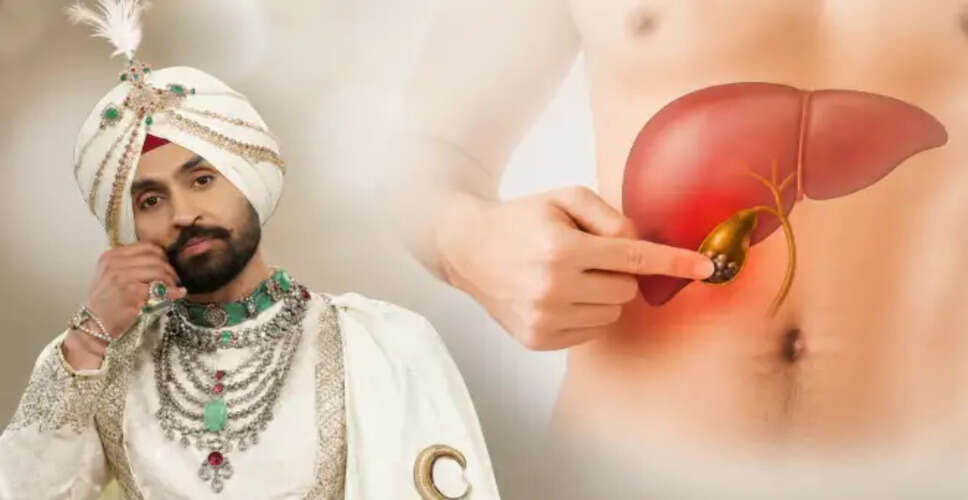

Diljit Dosanjh's Health Revelation
Punjabi artist Diljit Dosanjh has recently disclosed a surprising health issue, revealing that he has been living with an 11-12 mm gallbladder stone since 2015. Initially, medical professionals recommended surgery, but Dosanjh opted for a watchful approach as the stone did not present significant symptoms. He continues to take medication as a precaution. In an interview with Vogue US, he shared, “I’ll let you in on a little secret today. I have a stone in my gallbladder. Back in 2015, I visited the doctor due to stomach pain, and he informed me about the stone. He suggested surgery, but a friend advised me that if it’s not causing any issues, why go through with the operation?” This revelation has sparked interest in gallbladder stones, a common digestive ailment that often goes unnoticed until it leads to severe discomfort or complications.
Understanding Gallbladder Stones
What Are Gallbladder Stones?
Gallbladder stones, or gallstones, are hardened deposits that form within the gallbladder, a small organ situated beneath the liver. The gallbladder's primary function is to store bile, a digestive fluid produced by the liver that aids in fat breakdown. Medical experts explain that gallstones occur when the chemical composition of bile alters, leading to the crystallization of substances like cholesterol or pigments. Some individuals may have a single stone, while others may develop multiple stones of varying sizes.
Causes of Gallbladder Stones
What Triggers Gallbladder Stones?
Several factors can elevate the likelihood of gallstone formation, including:
- Obesity or being overweight
- High cholesterol levels
- Poor gallbladder movement
- Excess cholesterol in bile
- Bacterial infections
- A diet rich in unhealthy fats and low in fiber
- Rapid weight loss
- Age and family history
Women, individuals over 40, and those with diabetes are at a heightened risk of developing gallstones.
Recognizing Symptoms
Symptoms to Watch For
Many gallstones are asymptomatic, which is why they are often discovered incidentally during imaging tests. However, if a stone obstructs the bile ducts, symptoms can become severe. Warning signs include:
- Sudden, intense pain in the upper right abdomen
- Intermittent pain, particularly after consuming fatty foods
- Bloating and excessive gas
- Acidity or indigestion
- Burning sensation in the stomach
- Nausea and vomiting
If a stone migrates into the bile duct and causes complications, symptoms may include jaundice (yellowing of the skin or eyes), dark urine, severe abdominal pain radiating to the back, fever, chills, and persistent itching. These symptoms necessitate immediate medical attention, as they may indicate serious conditions like pancreatitis or bile duct blockage.
Surgery Considerations
Do All Gallbladder Stones Require Surgery?
Not all gallstones necessitate surgical intervention. As illustrated by Diljit Dosanjh's experience, asymptomatic gallstones may not require immediate surgery. Physicians often recommend regular monitoring if the stones do not cause pain or complications. However, if gallstones lead to recurrent painful episodes, inflammation, infection, jaundice, or pancreatitis, surgical removal of the gallbladder, known as laparoscopic cholecystectomy, is typically the most effective treatment. It is crucial to consult a qualified surgeon for personalized advice rather than relying solely on anecdotal experiences. Diljit Dosanjh's long-term experience underscores an essential health message: while not all gallstones require urgent surgery, they should not be overlooked. Regular medical check-ups are vital, as silent gallstones can become problematic over time. If you experience recurring upper abdominal pain, unexplained bloating, jaundice, or digestive issues, seek medical evaluation promptly to prevent serious complications and ensure timely treatment.