
Debunking Common Myths About Joint Pain and Arthritis
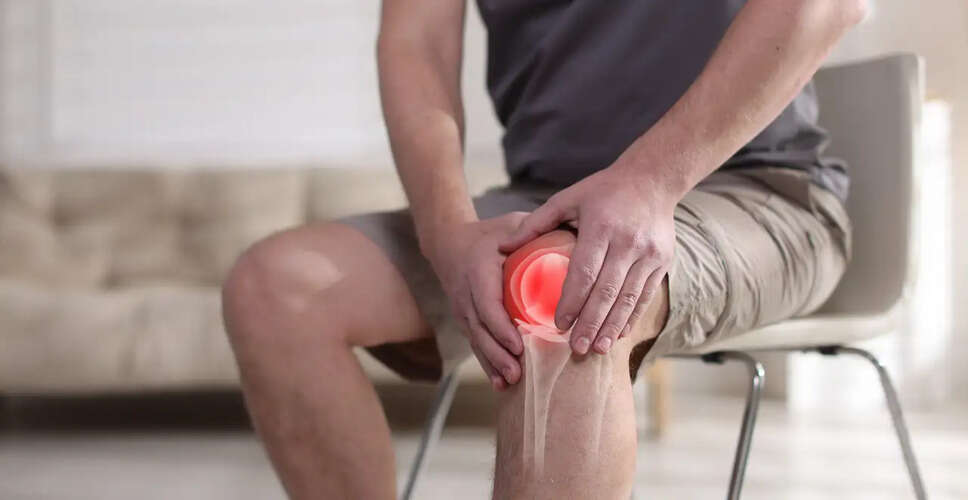

Understanding Joint Pain and Arthritis
Joint pain is a widespread issue, yet the misconceptions surrounding it are even more prevalent. Many individuals mistakenly think that arthritis is solely a problem for the elderly, that painful joints require complete rest, or that cracking knuckles can lead to permanent joint damage. While these beliefs may seem harmless, they can hinder proper healthcare and cause individuals to overlook symptoms that necessitate medical attention. It's important to note that arthritis encompasses a variety of joint disorders, not just one specific ailment. Factors such as age, lifestyle, family history, injuries, inflammation, and autoimmune responses can all influence how a person experiences the disease. Fortunately, understanding the truth about joint pain can significantly improve management. Here are six prevalent myths about joint pain and arthritis that you should stop believing.
1. Myth: Arthritis is only an old person’s disease
While arthritis is indeed common among older adults, it is not exclusive to them. Individuals of all ages, including children, teenagers, and young adults, can develop various forms of arthritis. There are over a hundred types of arthritis and related conditions, such as osteoarthritis, rheumatoid arthritis, and juvenile arthritis. Some types arise from degenerative changes in the body, while others are due to the immune system attacking itself or inflammatory processes. Believing that only older individuals suffer from arthritis can lead younger people to dismiss symptoms like joint pain, stiffness, or swelling. Any persistent joint symptoms should be evaluated by a healthcare professional rather than being ignored.
2. Myth: You should avoid exercise if you have arthritis
The instinct to rest painful joints is common, but inactivity can actually worsen stiffness and muscle weakness. Regular exercise is beneficial as it strengthens the muscles surrounding the joints, enhances flexibility, and improves balance, ultimately reducing pain over time. Low-impact activities such as walking, swimming, cycling, yoga, and gentle stretching are often easier on the joints compared to high-impact exercises. It's essential to engage in safe movement and select appropriate intensity levels. During flare-ups, rest may be necessary, but prolonged inactivity is rarely helpful. Consulting a doctor or physiotherapist can help establish a safe exercise regimen.
3. Myth: Cracking your knuckles causes arthritis
One of the most enduring myths about joint health is that knuckle cracking leads to arthritis. However, there is no scientific evidence supporting this claim. The popping sound associated with knuckle cracking is primarily due to gas bubbles forming or collapsing in the joint fluid, not from bones grinding together. It is important to note that if cracking is accompanied by pain, swelling, or limited movement, it may indicate another joint issue. Nonetheless, routine knuckle cracking itself is not considered a cause of arthritis.
4. Myth: All joint pain is caused by arthritis
Not all joint pain is attributable to arthritis. Various conditions can cause pain around the joints, including bursitis, tendinitis, ligament strains, muscle injuries, overuse, infections, or inflammation from injuries. For example, bursitis involves inflammation of the small fluid-filled sacs that cushion the joints, while tendinitis refers to inflammation of the tendons connecting muscles to bones. Due to overlapping symptoms, misdiagnosis is possible. If joint pain is persistent, severe, or accompanied by swelling or impaired movement, it is crucial to seek a proper diagnosis rather than assuming it is arthritis.
5. Myth: Cold weather or rain causes arthritis
While cold or damp weather may exacerbate joint pain for some, it does not directly cause arthritis. Many individuals report increased stiffness or discomfort during rainy or cold days, likely due to reduced physical activity, muscle tightness, or sensitivity to pressure changes. However, these factors are not the root cause of the condition. For those whose symptoms worsen in certain weather, strategies like warming up, gentle stretching, indoor exercise, and applying heat or cold can provide relief. Ultimately, while weather may influence arthritis symptoms, it is not responsible for the condition itself.
6. Myth: There is nothing you can do for arthritis pain
Although arthritis may not be curable in every instance, there is hope for managing the condition. Most types of joint pain can be treated effectively through a combination of medical care, physiotherapy, exercise, weight management, medication, and lifestyle changes. Losing excess weight can alleviate stress on weight-bearing joints like the knees and hips. Heat therapy can help relax muscles, while cold therapy may reduce swelling post-exercise. A correct diagnosis is essential, as the type and cause of arthritis will dictate the treatment approach. With a tailored plan, many individuals can find relief from pain and improve their mobility.
Final Thoughts
Addressing joint pain requires understanding its complexities. Misinformation about arthritis can lead to over-resting, neglecting treatment, or assuming that pain is a natural part of aging. Arthritis can affect individuals across all age groups, and with appropriate support, many joint issues can be managed effectively. It is vital to listen to your body and avoid hasty conclusions. If symptoms like pain, swelling, stiffness, or reduced mobility persist, consult a healthcare professional. The sooner you identify the issue, the better you can protect your joints and maintain an active lifestyle.