
Debunking Common Myths About Heart Disease in India
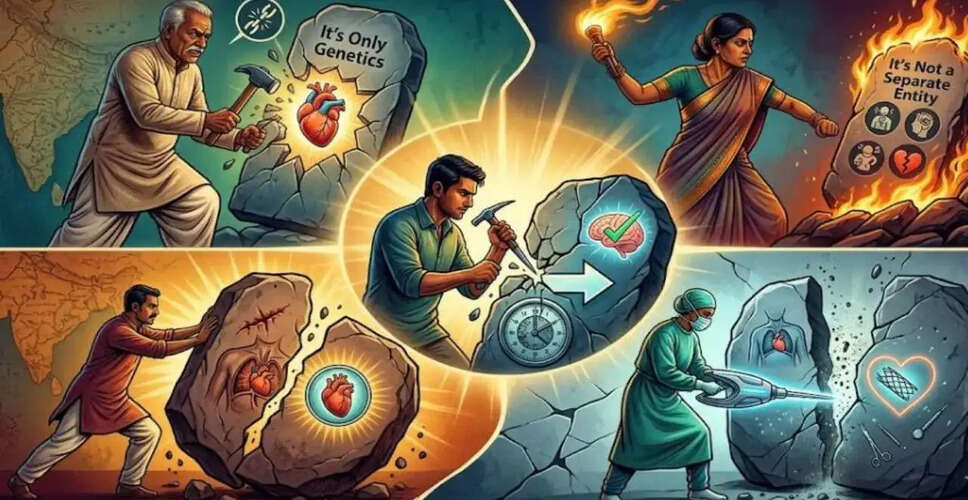

Understanding Heart Disease Myths
Heart disease has emerged as a significant health crisis in India, ranking among the top causes of mortality. Despite increased awareness, many individuals cling to outdated beliefs that hinder effective prevention and treatment. Experts warn that these misconceptions can be perilous, sometimes leading to fatal outcomes. Here are five prevalent myths that need urgent correction.
Myth 1: Heart Disease is Not a Personal Concern
Myth 1
Heart disease won’t happen to my family or me
This belief is particularly dangerous. Research indicates that Indians have a higher genetic susceptibility to heart conditions compared to other populations. Dr. Vikram B Kolhari, a cardiologist at Apollo Hospital, explains, "Indians are more likely to develop heart diseases due to genetic factors, compounded by sedentary lifestyles and poor dietary choices. Obesity, particularly around the abdomen, significantly raises the risk for various diseases. Awareness of lifestyle choices and regular health monitoring are essential for preventing serious cardiac incidents." Alarmingly, even younger adults are now facing heart attacks, emphasizing that no one is exempt. Prevention hinges on awareness, routine check-ups, and healthier lifestyle decisions.
Myth 2: Heart Disease is a Singular Condition
Myth 2
Heart disease is a single condition
Many individuals mistakenly believe that heart disease is synonymous with heart attacks. In truth, it encompasses a wide range of conditions affecting the heart and blood vessels. The most prevalent form, coronary artery disease, develops silently over time due to factors like high cholesterol, diabetes, smoking, and hypertension. Dr. Shlesha R Pradhan, also from Apollo Hospital, notes, "Heart attacks are often linked to risk factors such as obesity, smoking, high blood pressure, diabetes, and a family history of heart disease. Managing these risk factors is crucial for prevention." Ignoring these indicators allows the disease to progress unnoticed, making early lifestyle management vital.
Myth 3: Heart Attacks are Unpredictable
Myth 3
Heart attacks are sudden and cannot be predicted
While some cardiac events may seem abrupt, they often come with warning signs that are overlooked. Symptoms like chest discomfort, shortness of breath, fatigue, and even sensations resembling acidity can indicate underlying heart issues. Regular health screenings can identify early risk factors such as high cholesterol and hypertension. Timely intervention can avert major cardiac events, highlighting the importance of proactive health measures.
Myth 4: Major Surgery is Always Required
Myth 4
All heart diseases require major surgery
This misconception can deter individuals from seeking necessary medical attention. In reality, advancements in cardiology have led to the development of minimally invasive treatments like angioplasty and stenting. Dr. Kolhari states, "Thanks to innovations in interventional cardiology, many heart conditions can now be addressed through safer, less invasive procedures, often performed under local anesthesia, resulting in shorter recovery times and quicker returns to daily life."
Myth 5: Open Heart Surgery is Unsafe
Myth 5
Open heart surgery is unsafe and leaves large scars
Modern surgical techniques have significantly improved the safety of heart surgeries. Minimally invasive and robotic-assisted procedures now allow for smaller incisions, reduced pain, and faster recovery. When conducted by skilled cardiac surgeons, these surgeries yield highly successful outcomes with lasting benefits. The fear of surgery should not prevent individuals from pursuing life-saving treatments. Heart disease is largely preventable and manageable if detected early. Dispelling these myths is crucial for timely diagnosis and reducing risks. Indians should adopt a proactive approach to healthcare by prioritizing:
- Regular health check-ups
- A balanced diet and exercise
- Stress management
- Controlling blood pressure, sugar, and cholesterol