
Daniel Neeson Shares His Experience with Bicuspid Aortic Valve Surgery

Daniel Neeson's Health Journey
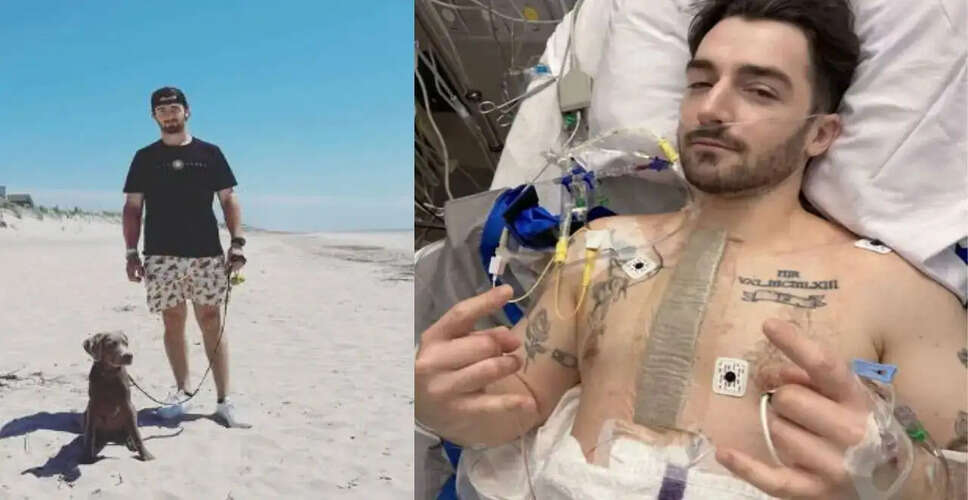
Daniel Neeson, the son of actor Liam Neeson, recently had surgery to address a rare congenital heart condition known as Bicuspid Aortic Valve (BAV). In a heartfelt Instagram post, the 29-year-old shared insights about his surgery, explaining that BAV occurs when the aortic valve has only two leaflets instead of the usual three. He noted that this condition affects about 2% of the population, often without individuals being aware of it. Alongside images of himself with his fiancée, Natalie Ackerman, at the hospital, he mentioned, “It can remain dormant for years before leading to valve failure or aortic enlargement.” Neeson revealed that he had been undergoing biannual cardiology check-ups throughout his life to keep an eye on his heart health. “Eventually, I began experiencing significant left ventricular dilation and aortic enlargement, which indicated that medical intervention was necessary,” he added. “While some individuals with BAV undergo surgery later in life, I was fortunate to have it addressed early.”
Understanding Bicuspid Aortic Valve (BAV)
What is BAV?
Bicuspid aortic valve disease is a congenital heart defect characterized by the presence of only two flaps or cusps in the aortic valve, rather than the standard three. This anomaly can hinder the valve's ability to open and close effectively. The aortic valve's cusps are crucial for regulating blood flow between the heart and the aorta, ensuring that oxygen-rich blood is efficiently pumped out of the heart and preventing backflow. If the valve does not close properly, it can lead to blood leaking back into the heart, a condition known as aortic regurgitation. Many individuals may live with this condition for years without experiencing symptoms, as the valve continues to function, albeit less efficiently than a normal valve. Over time, however, the added strain on the heart can result in serious health issues.
The Severity of BAV
How serious is BAV?
Medical professionals indicate that approximately one-third of individuals with a bicuspid aortic valve may develop complications, which can be severe or even life-threatening. This underscores the importance of regular medical evaluations and monitoring for those diagnosed with the condition. BAV is found in about 1 to 2 percent of the general population and is notably more prevalent in men compared to women.
Recognizing Symptoms of BAV
Signs and symptoms of BAV
Many individuals may remain unaware of their BAV until it is diagnosed through medical examination. Common symptoms associated with a bicuspid aortic valve in adults include:
- Fatigue and tiredness
- Chest pain and discomfort
- Dizziness and fainting
- Heart palpitations
- Breathlessness, particularly during inactivity