
Daily Coffee Consumption Linked to Lower Liver Disease Risk
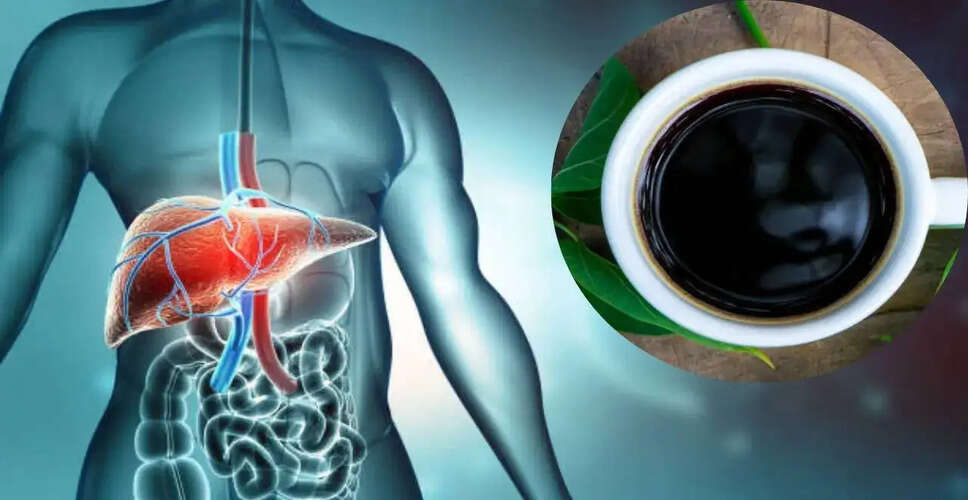

The Surprising Benefits of Coffee for Liver Health
A recent study indicates that your regular coffee habit might do more than just energize your mornings. Research published in Clinical Gastroenterology and Hepatology reveals that consistent coffee consumption could significantly lower the chances of developing liver disease, liver cancer, and even liver-related mortality. The protective benefits appear to increase with the amount of coffee consumed, with those drinking five or more cups daily experiencing the most significant reduction in liver cancer risk. However, experts emphasize that this study demonstrates a correlation rather than confirming that coffee directly prevents liver issues.
Insights from the Study on Coffee and Liver Health
The research involved an analysis of data from 354,957 adults aged between 40 and 69 who were part of the UK Biobank. At the study's outset, none of the participants had liver cancer or cirrhosis. Over time, researchers monitored the emergence of cirrhosis, hepatocellular carcinoma (the most prevalent liver cancer type), and liver-related deaths. The findings revealed a clear dose-response relationship:
- Consuming 1 to 2 cups daily resulted in a 20% reduction in cirrhosis risk, a 24% decrease in liver cancer risk, and a 31% lower risk of liver-related death.
- Drinking 3 to 4 cups daily lowered the risk of cirrhosis and liver cancer by 35%, and reduced liver-related death risk by 41%.
- For those consuming 5 or more cups daily, there was a 32% lower risk of cirrhosis, a 47% decrease in liver cancer risk, and a 42% reduction in liver-related mortality.
Additionally, MRI scans and blood biomarkers provided evidence that coffee may enhance liver function.
Understanding Coffee's Protective Mechanism
Experts attribute coffee's liver-protective properties to its high levels of polyphenols and antioxidants, rather than caffeine alone. Notably, both caffeinated and decaffeinated varieties exhibited these protective effects. Coffee contains beneficial plant compounds such as chlorogenic acid, caffeic acid, and ferulic acid, which help mitigate oxidative stress and chronic inflammation—two critical factors in liver damage, fatty liver disease, cirrhosis, and liver cancer. These compounds may also enhance insulin sensitivity and promote overall metabolic health.
Moderation is Key
While these findings are promising, healthcare professionals caution against relying solely on coffee for liver health. Maintaining a balanced lifestyle—such as achieving a healthy weight, engaging in regular physical activity, moderating alcohol consumption, managing diabetes, and controlling cholesterol levels—remains essential for minimizing liver disease risk. Furthermore, adding excessive sugar, flavored syrups, or sweetened creamers to coffee can negate some health benefits by increasing calorie intake and fostering inflammation.
Recommended Coffee Intake
Although the study highlighted a strong association with those consuming five or more cups daily, health experts do not advocate for everyone to drastically increase their coffee consumption. Many nutritionists suggest that 1 to 3 cups of black coffee per day is a reasonable and safe amount for most healthy adults. Drinking coffee earlier in the day can also help avoid sleep disturbances, which are crucial for metabolic and liver health. However, individuals with uncontrolled hypertension, heart rhythm issues, anxiety, insomnia, pregnancy, or caffeine sensitivity should consult their healthcare provider to determine the appropriate amount for their situation.