
Critical First Minutes After a Heart Attack: What You Need to Know

Understanding the Importance of the Initial Minutes
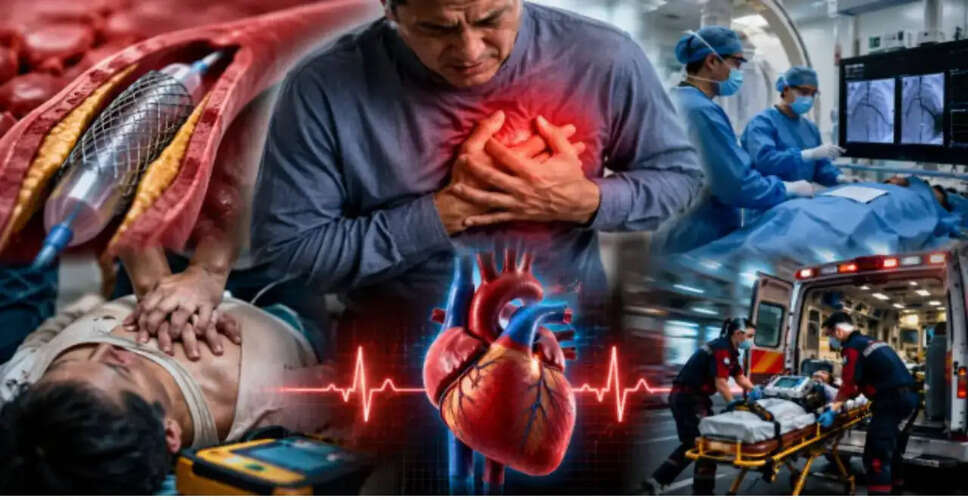
The initial ten minutes following a heart attack are crucial in determining the extent of heart damage and the likelihood of survival. Cardiologists emphasize the phrase "Time is muscle," highlighting that each minute blood flow to the heart is obstructed, more heart tissue is lost. Dr. Mitesh Kumar, a Senior Consultant in Cardiology at Fortis Hospital, notes that quickly identifying warning signs and taking appropriate actions before reaching a medical facility can greatly enhance survival rates and recovery outcomes. He states, “The sooner treatment is initiated, the better the chances of preserving heart function, preventing complications, and improving survival rates. While hospital care is vital, actions taken before arrival can be life-saving.”
Why the First 10 Minutes Matter
A heart attack occurs when blood flow is abruptly blocked in one of the coronary arteries, depriving the heart muscle of oxygen. The longer this blockage persists, the more severe the damage becomes. Dr. Kumar reiterates, "Time is muscle." He explains that restoring blood flow as quickly as possible significantly increases the chances of saving heart tissue, avoiding complications, and enhancing long-term survival. While modern interventions like emergency angioplasty can reopen blocked arteries, their effectiveness is heavily reliant on how swiftly the patient can access a hospital.
Recognizing Heart Attack Symptoms
Contrary to popular belief, a heart attack does not always manifest as intense chest pain. Symptoms can vary widely. Common indicators include:
- Pressure, heaviness, or tightness in the chest
- Pain radiating to one or both arms
- Discomfort in the shoulders, neck, jaw, or back
- Shortness of breath
- Cold sweats
- Nausea or vomiting
- Dizziness or light-headedness
- A sudden sense that something is wrong
Symptoms in Specific Populations
Women, older adults, and individuals with diabetes may experience atypical symptoms such as:
- Unusual fatigue
- Breathing difficulties
- Discomfort resembling indigestion
- Back pain
- Jaw pain
- Mild chest discomfort instead of severe pain
Due to their subtlety, these symptoms are often misinterpreted as indigestion or fatigue, leading to potentially dangerous delays in seeking help.
Immediate Actions to Take
Dr. Kumar advises that if a heart attack is suspected, do not wait for symptoms to subside. Here are the recommended steps:
Contact Emergency Medical Services
Do not hesitate, as waiting can be detrimental.
Assist the Person in Sitting Comfortably
A semi-reclined position can alleviate strain on the heart and ease breathing.
Keep Them Calm
Reducing anxiety can lessen the heart's workload.
Loosen Tight Clothing
This can facilitate easier breathing.
Use Prescribed Nitroglycerin if Advised
Those with angina should follow their doctor's instructions regarding nitroglycerin.
Chew Aspirin if Appropriate
If the individual is conscious, has no allergy to aspirin, and no significant bleeding history, chewing one standard aspirin may help reduce clot formation. However, this should not delay calling for an ambulance or getting to the hospital.
Distinguishing Between Heart Attack and Cardiac Arrest
It is essential to differentiate between a heart attack and cardiac arrest, as both require different emergency responses.
Heart Attack
During a heart attack, blood supply to the heart muscle is compromised, but the person typically remains conscious and responsive.
Cardiac Arrest
In contrast, cardiac arrest occurs when the heart stops pumping effectively, leading to collapse, unresponsiveness, and potentially halted breathing. In such cases, immediate emergency services should be contacted, and CPR should be initiated if trained, along with the use of an Automated External Defibrillator (AED) as soon as possible. Early CPR and defibrillation significantly enhance survival chances.
One common mistake is attempting to drive oneself or having a family member drive to the hospital. This can be perilous, as a person's condition may deteriorate rapidly during transit. An ambulance is the safest choice, as medical professionals can begin treatment immediately, monitor heart rhythms, and notify the hospital in advance to prepare the cardiac team for arrival.
Debunking Heart Attack Myths
Dr. Kumar cautions against several harmful misconceptions regarding heart attacks. Actions such as drinking water, coffee, lemon juice, relying on home remedies, or waiting to see if symptoms improve can waste precious time while heart muscle continues to deteriorate. The encouraging news is that heart attacks are highly treatable when addressed promptly. Emergency interventions like primary angioplasty can restore blood flow, minimize heart damage, and significantly enhance recovery outcomes. "The choices made in those critical first minutes can safeguard the heart, reduce long-term complications, and often save a life," Dr. Kumar emphasizes. Recognizing symptoms early, calling for an ambulance without delay, avoiding ineffective home remedies, and reaching a facility equipped for emergency cardiac care can greatly improve survival chances.
Disclaimer: This article is for informational purposes only and is not a substitute for professional medical advice.