
Cristiano Ronaldo's Hamstring Injury: Understanding the Impact and Recovery
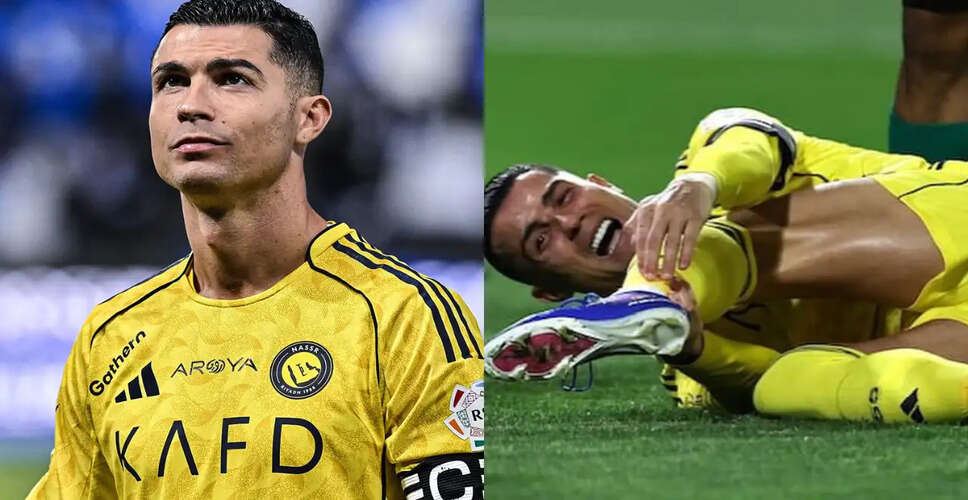
Ronaldo's Injury During Match Raises Concerns
On Saturday, football enthusiasts were alarmed when Cristiano Ronaldo had to leave the pitch during Al-Nassr’s 3-1 win over Al-Fayha. The Portuguese forward showed signs of distress related to his thigh during the latter part of the match and was substituted in the 81st minute after struggling to continue. Subsequent reports confirmed that he sustained a hamstring tendon injury, and the club announced that he has commenced a rehabilitation program, with medical staff monitoring his progress daily.
Understanding Hamstring Tendon Injuries
What Is A Hamstring Tendon Injury?
The hamstring consists of three muscles located at the back of the thigh: biceps femoris, semitendinosus, and semimembranosus. These muscles connect to the pelvis and lower leg bones via tendons. A hamstring tendon injury occurs when these tendons are overstretched, torn, or inflamed. While many refer to a 'hamstring injury' casually, tendon injuries can lead to more severe structural damage and necessitate a more cautious recovery process. Such injuries are prevalent in sports like basketball, tennis, football, and sprinting, where athletes perform explosive movements and rapid directional changes.
Identifying Symptoms of Hamstring Tendon Injuries
Symptoms Of A Hamstring Tendon Injury
Hamstring tendon injuries typically manifest suddenly. The most common symptom is a sharp pain at the back of the thigh, often occurring during sudden movements or sprints. Other symptoms may include:
- A popping or tearing sensation
- Swelling that develops within hours
- Bruising in the thigh area
- Weakness when bending the knee
- Difficulty walking or stiffness post-activity
Athletes often sense something is amiss immediately and may struggle to continue playing comfortably.
Recovery Timeline for Hamstring Injuries
How Long Does Recovery Take?
The recovery duration largely depends on the injury's severity. Medical professionals categorize hamstring injuries into three grades:
- Grade I (Mild strain): Recovery typically takes 1–3 weeks with rest and physiotherapy.
- Grade II (Moderate tear): Healing may require 3–6 weeks, especially if some tendon fibers are affected.
- Grade III (Severe rupture): Recovery can extend to 3–4 months or longer, with surgery sometimes necessary.
Initial assessments suggest Ronaldo might be sidelined for two to four weeks, indicating a mild to moderate strain.
Treatment and Rehabilitation Strategies
Treatment And Rehabilitation
Most hamstring tendon injuries respond positively to conservative treatment. Medical professionals often recommend the RICE method—Rest, Ice, Compression, and Elevation—to alleviate pain and swelling initially. Once discomfort subsides, physiotherapy becomes crucial. Rehabilitation generally emphasizes stretching exercises, strengthening the hamstring and adjacent muscles, and a gradual return to sports activities. For elite athletes like Ronaldo, recovery programs are meticulously supervised to avoid reinjury. With appropriate care, most players can return to competition without enduring long-term issues.