
CPR Training Turns into Life-Saving Emergency at Wisconsin College

A Real-Life Emergency During CPR Training
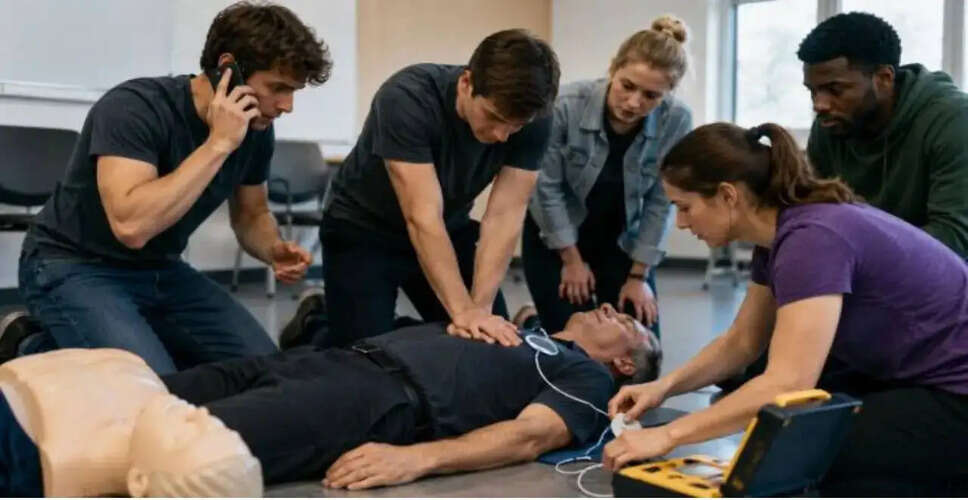
During a CPR training session at Fox Valley Technical College in Wisconsin, an unexpected emergency unfolded when the instructor, Karl Arps, became a patient himself. While demonstrating how to respond to a heart attack, the 72-year-old suddenly exhibited severe symptoms, including a curled hand and loss of consciousness. Initially, some students thought it was part of the demonstration, but they quickly realized the gravity of the situation.
Quick Actions Save a Life
How Quick Thinking Saved a Life
Among the students was Logan Lehrer, a firefighter trainee preparing to become an emergency medical technician. Recognizing that something was amiss, Lehrer and his classmates sprang into action, transforming the classroom into an emergency response unit. One student called for help while others began CPR, taking turns with chest compressions and utilizing a defibrillator, just as they had been taught. “There was no panic. Everyone knew what to do,” Lehrer recounted.
Understanding Heart Attacks vs. Cardiac Arrest
Distinguishing Between Heart Attack and Cardiac Arrest
Arps experienced a heart attack that led to cardiac arrest, a critical condition where the heart ceases to pump effectively. It's essential to differentiate between the two: a heart attack occurs when blood flow to the heart is obstructed, while cardiac arrest happens when the heart suddenly stops beating properly. Without immediate action, the chances of survival diminish significantly within minutes.
The Importance of CPR
Why is CPR Important?
According to the International Red Cross Society, survival rates for cardiac arrest outside of hospitals are alarmingly low, at less than 10 percent. However, immediate CPR and the use of a defibrillator can significantly increase survival chances. CPR maintains blood flow to the brain and vital organs until the heart can be restarted, underscoring the importance of public awareness and training. In this instance, the students' quick actions were lifesaving. Arps was taken to the hospital for triple-bypass surgery and was able to walk out just a week later, a recovery that doctors attribute to the prompt CPR he received. He later expressed his gratitude to the students, stating, “Thank you does not seem enough. They saved my life, period.”
A Call to Action
This remarkable event serves as a vital reminder that anyone can save a life with the right training. Learning CPR is not merely a skill; it is a responsibility. Emergencies can occur unexpectedly, and being prepared can be the difference between life and death. The story of Arps and his students is more than just a viral incident; it is a wake-up call. Recognizing the signs of a heart attack, understanding cardiac arrest, and knowing how to perform CPR can empower individuals to act decisively in a crisis. Sometimes, the lessons learned today can save lives tomorrow.