
Controversy Surrounds Papaya Leaf Extract in Cancer Treatment

Introduction to the Study
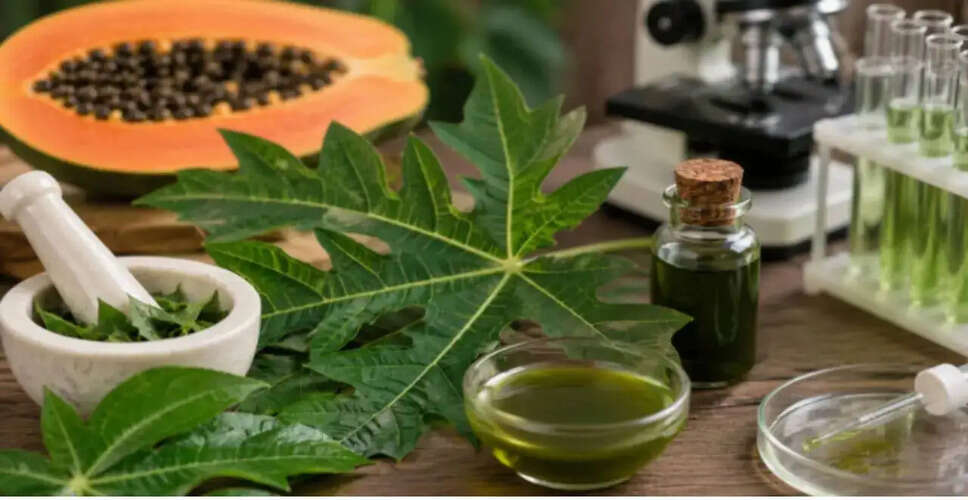
A recent clinical trial conducted at Tata Memorial Centre in Mumbai has sparked significant debate within the scientific community. Researchers have suggested that Carica papaya leaf extract could aid cancer patients in recovering their platelet counts more swiftly during chemotherapy. While these findings have generated hope, they have also faced criticism after the Journal of Clinical Oncology Global Oncology issued an Expression of Concern following a formal complaint, leading to a thorough review of the study.
Key Findings of the Research
What did the study find?
The trial involved nearly 200 patients suffering from chemotherapy-induced thrombocytopenia (CIT), a condition characterized by reduced platelet levels post-chemotherapy. Low platelet counts can heighten the risk of bleeding, often resulting in chemotherapy delays or dosage reductions, which may adversely affect treatment outcomes. The researchers observed that patients who received the papaya leaf extract showed quicker platelet recovery, with noticeable improvements as early as four days after treatment. Notably, only 25% of those treated with the extract required delays or dose adjustments, compared to 43% in the placebo group. Importantly, no serious adverse effects related to the treatment were reported during the trial.
The Controversy Explained
Why has the study become controversial?
The controversy emerged when Dr. Cyriac Abby Philips, a hepatologist known as Liverdoc on social media, raised concerns regarding the study and alerted the journal's editors. In response, the Journal of Clinical Oncology placed an Expression of Concern on the publication while investigating the claims. This notice indicates that questions have been raised but does not imply any misconduct or fraud has been confirmed. The investigation is still ongoing. The research team from TMC has defended their work, asserting that it adhered to strict scientific protocols, underwent peer review prior to publication, and was presented at the American Society of Clinical Oncology annual meeting.
Understanding Chemotherapy-Induced Thrombocytopenia
What is chemotherapy-induced thrombocytopenia?
Chemotherapy-induced thrombocytopenia occurs when chemotherapy hampers bone marrow function, leading to decreased platelet production. Platelets are crucial for blood clotting, and low levels can result in increased bruising, bleeding, and interruptions in treatment. Symptoms may include:
- Easy bruising
- Frequent nosebleeds
- Bleeding gums
- Tiny red or purple spots on the skin, known as petechiae
- Heavy menstrual bleeding
- Fatigue associated with ongoing cancer treatment
Managing platelet levels is a vital aspect of supportive cancer care.
Potential Benefits of Papaya Leaf Extract
Can Papaya leaf extract help?
Traditionally, papaya leaf extract has been utilized in herbal medicine and is recognized for its potential to boost platelet counts in dengue fever cases. However, experts caution that the evidence supporting its use in chemotherapy patients is still developing. Although the TMC trial yielded promising results, further large-scale, independent studies are necessary before papaya leaf extract can be integrated into standard oncology practices. Cancer specialists also advise against self-medication with herbal supplements during chemotherapy without consulting an oncologist, as some plant-based products may interfere with chemotherapy drugs or other medications.
Importance of Scientific Discourse
Why does scientific debate matter?
Medical professionals emphasize that questioning research findings is a fundamental aspect of scientific inquiry. Clinical studies undergo rigorous scrutiny, replication, and debate before new treatments are widely accepted. Researchers stress that scientific disagreements should be resolved through transparent data analysis, peer review, and independent replication rather than relying on social media discussions.