
Concerns Rise Over Leafy Greens Amid Cyclospora Outbreak in the U.S.

Outbreak Overview
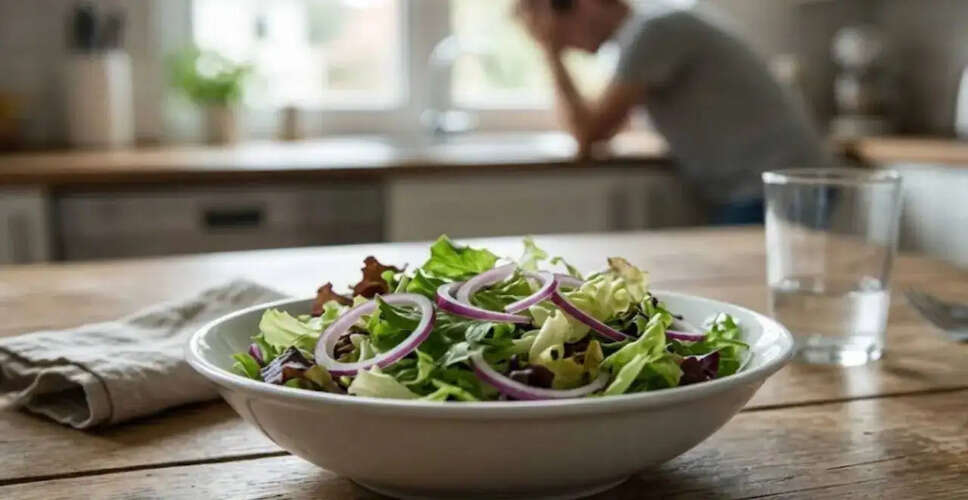
A significant outbreak of foodborne illness in the United States has sparked new worries regarding the safety of leafy greens. Health officials have linked lettuce and salad greens to potential cyclospora infections, a parasitic disease that leads to severe diarrhea and other gastrointestinal issues. The outbreak has affected 31 states, with nearly 3,000 cases reported and 86 hospitalizations, as per the US Centers for Disease Control and Prevention (CDC). Michigan has recorded the highest number of cases, totaling 2,640. State health authorities have indicated that their investigations consistently point to lettuce as a commonly consumed food among those infected, although the specific type, grower, or supplier has yet to be determined. Officials also warn that other food items are still under scrutiny.
Understanding Cyclosporiasis
What is Cyclosporiasis?
Cyclosporiasis is an intestinal infection caused by the parasite Cyclospora cayetanensis. Infection occurs when individuals consume food or water contaminated with this parasite. Fresh produce, including lettuce, cilantro, basil, raspberries, and salad mixes, has been associated with previous outbreaks, primarily because these items are often consumed raw. Unlike many bacterial foodborne illnesses, Cyclospora infections typically do not spread from person to person. Symptoms usually manifest about a week after exposure, complicating the tracing of the contaminated food source.
Symptoms of Cyclospora Infection
Signs and Symptoms
One of the primary symptoms of cyclosporiasis is severe, watery diarrhea that can be challenging to manage. Other common symptoms include:
- Severe stomach cramps
- Nausea and vomiting
- Excessive gas and bloating
- Loss of appetite
- Fatigue and weakness
- Low-grade fever and body aches
- Unexplained weight loss in prolonged cases
The risk of dehydration is particularly high for older adults, young children, pregnant women, and individuals with compromised immune systems. If left untreated, symptoms may persist for weeks or even recur after a temporary improvement.
Health Officials' Recommendations
Why Are Officials Cautioning Against Lettuce?
The Michigan Department of Health and Human Services is advising residents to refrain from consuming prepackaged salads until further information is available. Instead, they recommend buying whole heads of lettuce, thoroughly rinsing them under running water, discarding the outer leaves, and cooking vegetables whenever possible. While washing produce cannot eliminate all parasites, proper food handling can significantly reduce contamination risks. Health officials stress that no specific lettuce brands have been recalled at this time, as a definitive source has not yet been identified.
Treatment and Prevention Strategies
Treatment and Prevention
Cyclosporiasis can be treated effectively with prescription antibiotics, particularly trimethoprim-sulfamethoxazole (TMP-SMX). Staying hydrated is crucial, especially for those experiencing frequent diarrhea. To minimize the risk of foodborne illnesses, consider the following precautions:
- Thoroughly wash fresh fruits and vegetables before consumption.
- Remove any damaged or outer leaves from leafy greens.
- Refrigerate produce promptly after purchase.
- Avoid salads if gastrointestinal symptoms develop after consuming raw vegetables.
Seek medical attention if diarrhea lasts more than two days, becomes severe, or is accompanied by dehydration signs such as dizziness, dry mouth, or reduced urination. As investigations continue to pinpoint the outbreak's source, these findings underscore the importance of food safety, even when consuming healthy options like salads. Consumers should remain alert, practice safe food handling, and stay updated with information from health authorities. If you experience persistent diarrhea or flu-like symptoms after eating raw leafy greens, prompt medical advice is essential, as early diagnosis and treatment can prevent complications.