
Concerns Rise Over Ebola Entry Policies in India Amid New Strain Outbreak
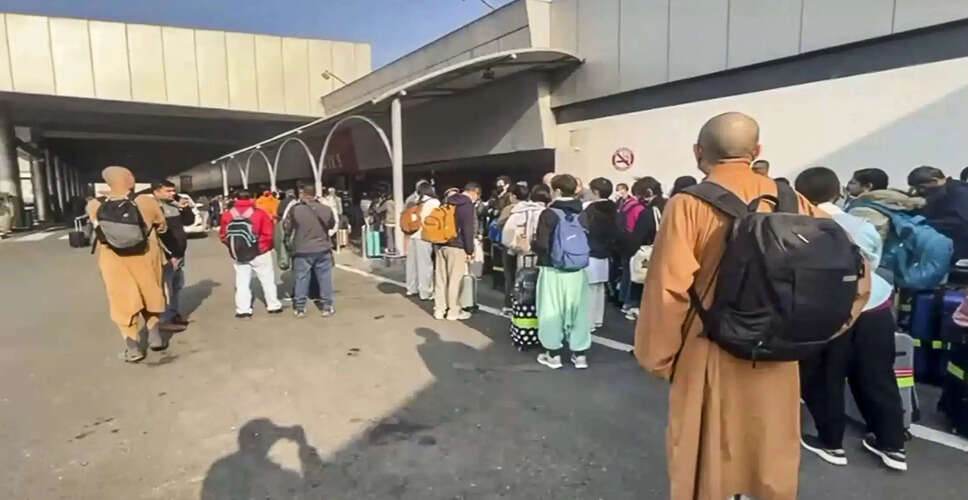

Ebola Strain Sparks Health Concerns in India
With the emergence of a new strain of Ebola, health professionals in India are expressing alarm over the continued entry of travelers from affected nations. Despite enhanced surveillance protocols, individuals from regions like Uganda and Congo have recently arrived in India, raising significant concerns. The World Health Organization (WHO) has classified Ebola as a Public Health Emergency of International Concern (PHEIC), highlighting the rapid spread of this strain and the difficulties in controlling it.
In response, India has intensified its monitoring efforts, with the Directorate General of Civil Aviation (DGCA) and the Ministry of Civil Aviation implementing stringent guidelines for airlines and airports. However, reports indicate that at least two travelers from the affected areas have entered India in the past few weeks, prompting alarm among infectious disease specialists.
Medical experts emphasize that the primary concern is not just the virus's entry but the risk of infected individuals remaining undetected during the incubation phase, potentially traveling across states before showing symptoms. A particularly concerning case involved a 37-year-old businessman who arrived in Mumbai from Congo and traveled to multiple cities before being hospitalized with Ebola-like symptoms.
Experts warn that the incubation period for Ebola can extend for several days, during which individuals may test negative while still carrying the virus. This necessitates rigorous testing and isolation protocols. A doctor monitoring the situation remarked, "The risk is that one infected person can traverse multiple cities before authorities recognize the threat, leading to potential outbreaks." Recently, around 16 individuals in Gujarat and Maharashtra were quarantined after returning from Ebola-affected regions, with some exhibiting suspected symptoms.
The ongoing situation has reignited discussions regarding India's travel policies during outbreaks of highly contagious diseases, especially as other nations have implemented strict entry restrictions. For instance, the United States has barred non-citizens who traveled to the Democratic Republic of Congo, Uganda, or South Sudan within the last 21 days from entering the country. Additionally, US citizens returning from these regions are required to enter through specific airports equipped with enhanced Ebola screening.
In light of these developments, Indian health experts are urging a reevaluation of the country's surveillance measures. Dr. Ishwar Gilada, an infectious disease specialist based in Mumbai, advocates for stricter entry regulations, stating, "Our policy should be so stringent that we do not permit anyone from countries experiencing Ebola outbreaks, as there is no treatment, cure, or preventive vaccine for this virus." Another recent scare in Bengaluru involved a woman returning from Uganda who developed symptoms but later tested negative.
While authorities assert that surveillance systems are operational, many doctors contend that monitoring alone may not suffice against a virus as perilous as Ebola. There is a growing consensus that temporary travel restrictions from outbreak zones could be essential to safeguard India from a potential imported outbreak.