
Concerns Over Rising Unnecessary C-Sections and Their Impact on Maternal Health
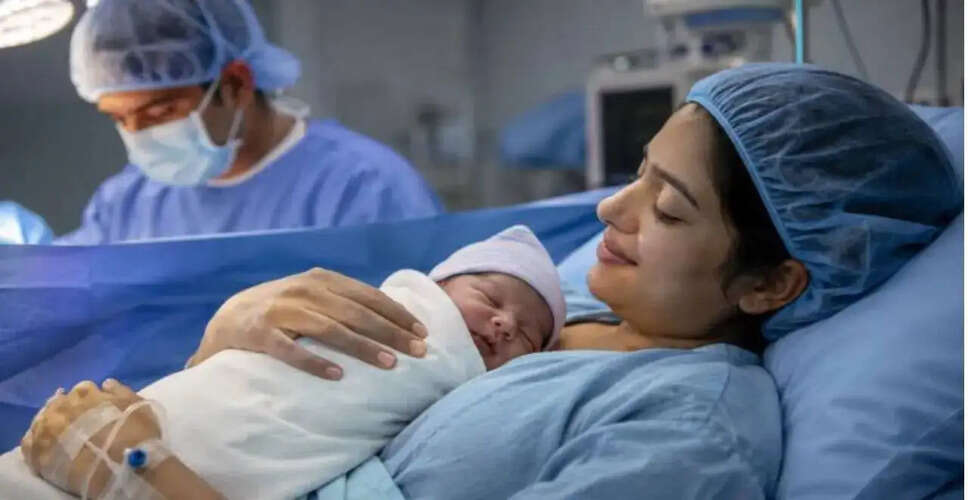

Understanding C-Sections and Their Necessity
Caesarean sections, often referred to as C-sections, are critical surgical interventions that can save lives when complications arise during pregnancy or childbirth. However, there is growing concern among healthcare professionals in India regarding the alarming increase in unnecessary C-sections and their potential long-term effects on maternal health. Experts emphasize that while medically indicated C-sections can prevent severe complications like fetal distress and excessive bleeding, unnecessary procedures may pose avoidable risks to both mothers and infants.
Global Trends in C-Section Rates
C-section rates rising globally
Research from the World Health Organization indicates that over 20% of births worldwide are now via C-section, with projections suggesting this could rise to nearly 30% by 2030. The WHO has previously indicated that rates exceeding 10-15% may signal an overuse of the procedure beyond essential medical needs. While C-sections can be lifesaving in emergencies, unnecessary surgeries may not enhance pregnancy outcomes and could lead to increased maternal complications.
Health Risks Associated with Unnecessary C-Sections
Why are doctors concerned?
Short-term health risks
Like any surgical procedure, C-sections come with immediate risks such as heavy bleeding, infections, blood clots, and potential injury to surrounding organs. Additionally, surgical births can delay essential bonding moments like breastfeeding and skin-to-skin contact right after delivery. Dr. Sajith Mohan R, a consultant in Obstetrics and Gynecology, warns that while C-sections can be crucial, performing them without medical justification can expose mothers and babies to unnecessary health risks.
Long-term complications
Unnecessary or repeated C-sections can lead to complications in future pregnancies, including conditions like placenta previa and uterine rupture. Dr. Jyothi GS, a senior consultant in Obstetrics and Gynecology, notes that the first unnecessary C-section can significantly impact subsequent pregnancies, increasing the likelihood of infections and extended recovery times.
Factors Contributing to Rising C-Section Rates
Medicalisation of childbirth
Dr. Jyoti highlights a concerning trend towards the medicalisation of childbirth, where surgical deliveries become the norm even for low-risk pregnancies. Contributing factors include fear of labor pain, convenience in scheduling, private healthcare practices, misconceptions about natural delivery, and a lack of patient awareness. Experts advocate for vaginal births to remain the preferred method whenever it is medically safe.
Economic Implications of C-Sections
Economic burden on families
C-sections are significantly more costly than vaginal births in India, with estimates suggesting they can be nearly three times more expensive, placing a financial burden on many families. This disparity is particularly troubling as some rural areas still lack access to emergency obstetric care, while urban centers may experience an overreliance on surgical births.
Strategies to Reduce Unnecessary C-Sections
How can unnecessary c-sections be reduced?
To mitigate the rise in unnecessary C-sections, healthcare professionals recommend enhanced pregnancy monitoring, educating expectant mothers about their delivery options, and fostering informed decision-making. Avoiding fear-based counseling and promoting evidence-based obstetric care are also crucial. Open communication between healthcare providers and expectant mothers is vital to ensure that C-sections are performed only when medically warranted. While C-sections are essential lifesaving procedures, the increase in unnecessary surgeries poses significant health risks for mothers without improving outcomes.