
Concerns Over Eye Drop Preservative PHMB and Its Impact on Eye Health

Understanding PHMB and Its Role in Eye Drops
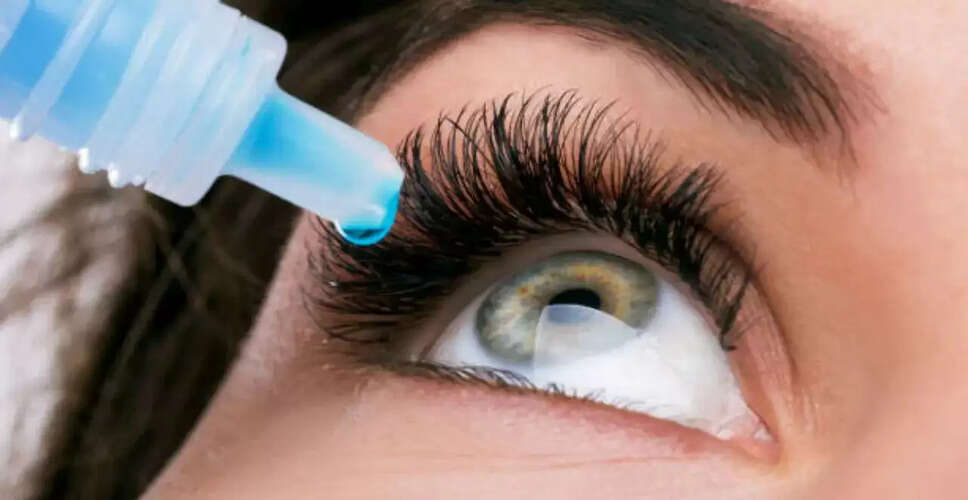
Eye drops are among the most commonly utilized medications worldwide, addressing issues such as infections, dry eyes, and myopia in children. However, a frequently used preservative known as Polyhexamethylene biguanide (PHMB) is now causing concern among eye care professionals regarding its long-term effects on eye health.
What is PHMB and Its Purpose?
PHMB serves as a potent antimicrobial agent incorporated into multidose eye drop containers to avert bacterial contamination. It operates by disrupting the membranes and genetic material of microbes, effectively eliminating harmful bacteria like Pseudomonas and Staphylococcus. Dr. Mihir Kothari, a pediatric ophthalmologist, notes, “While PHMB safeguards the bottle's contents, emerging research indicates it may adversely affect the sensitive tissues of the eye, particularly with prolonged use.” This preservative is crucial for ensuring the sterility and safety of eye drop formulations, especially those intended for extended use.
Is PHMB Dangerous for Your Eyes?
Although PHMB protects the solution within the bottle, recent studies suggest it may negatively impact the ocular surface with long-term application. Laboratory findings reveal that PHMB can:
- Induce cellular stress
- Cause apoptosis, or cell death, in corneal and conjunctival cells
- Disrupt the natural tear film
Clinically, extended use of eye drops containing PHMB has been associated with:
- Eye irritation and redness
- Dryness and discomfort
- Corneal staining
- Delayed healing of the eye surface
While these effects may be minimal with short-term use, the risks escalate when eye drops are utilized daily over months or years.
Increased Vulnerability in Children
The issue is particularly concerning for children, especially those undergoing long-term treatment for progressive myopia or chronic eye conditions. As the pediatric ocular surface is still maturing, repeated exposure to preservatives like PHMB may heighten inflammation, disrupt tear film stability, and stress limbal stem cells, which are vital for corneal repair. Dr. Kothari emphasizes, “This concern is amplified in children, particularly those receiving ongoing treatment for progressive myopia or chronic ocular conditions. Prolonged exposure to certain preservatives may elevate the risk of ocular surface inflammation and potential limbal stem cell stress over time.”
Expert Advice: Reducing Preservative Exposure
Many eye care specialists are now recommending caution, particularly for patients requiring long-term therapy. Key suggestions include:
- Opting for preservative-free eye drops whenever feasible
- Avoiding unnecessary prolonged use of preserved drops
- Consulting an eye care professional for chronic conditions
Advancements in ophthalmic care have led to the creation of preservative-free multidose systems, including ionic buffer-based technologies. These innovations maintain sterility without the need for chemical preservatives. Dr. Kothari adds, “Fortunately, ophthalmic technology has progressed significantly. Ionic buffer–based preservative-free systems are now available that ensure the sterility of multidose eye drops while eliminating harmful preservatives. These newer systems help safeguard the ocular surface while ensuring the microbiological safety of the formulation.”
Benefits of preservative-free eye drops include:
- Lower risk of irritation and dryness
- Enhanced protection of the ocular surface
- Safer for long-term and pediatric use
- A shift in eye care awareness
With the increasing prevalence of digital eye strain, dry eye syndrome, and childhood myopia, the global use of eye drops is on the rise. Experts believe this is an opportune moment for manufacturers to reassess the use of preservatives, particularly in products intended for long-term treatment. While PHMB is essential for preventing contamination, growing evidence suggests it may not be suitable for extended use, especially in children. The focus is now shifting toward safer, preservative-free alternatives that protect both vision and the delicate tissues of the eye.