
Concerns Arise Over Missing Data in India's National Family Health Survey

Introduction to NFHS-6 Omissions
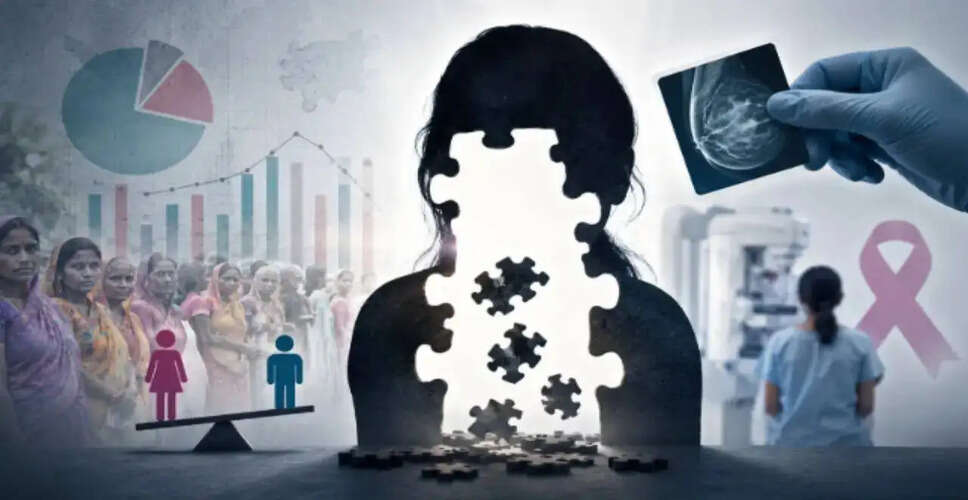
The recent release of the National Family Health Survey (NFHS-6) in India has raised alarms among health experts due to the exclusion of several key indicators. Notably absent are vital statistics concerning sex ratio, cancer screenings, women's and children's health, family planning, sanitation, and access to clean cooking fuel, all of which are essential under various government initiatives.
Importance of NFHS Data
Why NFHS Data is Crucial
The National Family Health Survey is a significant health and demographic study in India, conducted periodically across various states and Union Territories. It offers critical insights into nutrition, fertility rates, maternal health, child mortality, immunization, sanitation, and healthcare access. Policymakers, researchers, and global health organizations heavily depend on NFHS data to monitor public health advancements in the country.
Exclusions in the Latest Factsheet
Missing Indicators in NFHS-6
The latest NFHS-6 factsheet, which is based on data collected from 2023 to 2024, has notably excluded several population-level indicators that were present in earlier surveys. Reports indicate that while relevant questions were included in the survey, the corresponding data points were not published in the official release.
Concerns Regarding Key Health Metrics
Issues with Sex Ratio and Cancer Screening Data
Among the most significant omissions are those related to sex ratio and cancer screening. Experts emphasize that these metrics are vital for understanding gender disparities, access to preventive healthcare, and early disease detection in India. Data on screenings for breast, cervical, and oral cancers is particularly crucial, given the increasing prevalence of non-communicable diseases in the country. Health professionals argue that cancer screening data is essential for evaluating whether women and at-risk populations are receiving timely preventive care, as delayed detection of cancers remains a pressing issue, especially in rural regions with limited healthcare access.
Missing Welfare Scheme Data
Absence of Welfare Scheme Information
The lack of data regarding government welfare schemes has also sparked concern. Information related to the Swachh Bharat Abhiyan, which focuses on sanitation and toilet access, and the Ujjwala Yojana, which monitors access to clean cooking fuel, was reportedly not included in the factsheet. Analysts argue that these indicators are crucial for assessing the real-world effects of public welfare programs on household health and overall quality of life.
Government's Defense of Data Exclusions
Health Ministry's Justification
The Union Health Ministry has defended the exclusions, claiming that many omitted indicators are already covered by other national surveys. Officials have characterized this decision as part of a strategy for 'data harmonization' to minimize redundancy across government datasets. However, experts warn that the absence of these indicators from NFHS could hinder long-term public health monitoring and policy formulation. Historically, NFHS has served as a comprehensive source of national health data, and the removal of key indicators may complicate trend comparisons over time. Researchers and public health advocates are now urging for increased transparency regarding the rationale behind these omissions, emphasizing that comprehensive health data is vital for evidence-based policymaking, particularly as India grapples with rising healthcare disparities, malnutrition, chronic diseases, and women's health issues.
Broader Implications for Public Health Data
Wider Questions on Data Transparency
The ongoing discussions surrounding NFHS-6 underscore a broader concern regarding data transparency and accountability within India's healthcare system. Experts assert that accurate and publicly accessible health data is essential for identifying gaps, enhancing healthcare delivery, and informing future public health strategies.