
Concerns Arise Over Medication Safety After Toddler's Vision Loss

Investigation Launched Following Toddler's Vision Loss
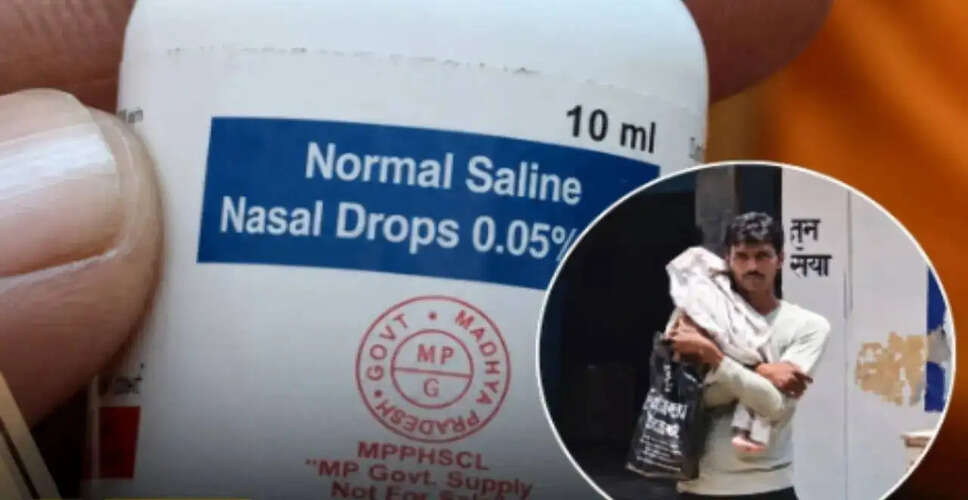
A troubling incident involving a 19-month-old boy from Sagar district in Madhya Pradesh has sparked significant concern regarding medication safety and the administration of eye drops. Reports indicate that the child experienced vision loss in both eyes after receiving treatment at a local Civil Hospital. Allegedly, saline nasal drops were mistakenly applied to the child's eyes instead of the intended eye medication. Following this error, the child's condition worsened rapidly, leading to a referral to higher medical facilities, including AIIMS Bhopal, where doctors cautioned that the vision loss might be irreversible. In response, health authorities have initiated an inquiry to determine the circumstances surrounding this incident and have promised to take appropriate action based on the findings.
Understanding the Risks of Medication Errors
While the investigation is still underway, medical professionals emphasize the potential dangers associated with medication errors, particularly those involving eye drops in young children. The eye is an extremely sensitive organ, and using incorrect medications can result in severe irritation, chemical burns, infections, inflammation, or corneal damage, depending on the substance used. Delayed treatment in such cases can heighten the risk of lasting vision impairment. Experts note that while not every accidental exposure leads to blindness, any unusual reaction in the eyes should be treated as a medical emergency.
Key Warning Signs for Parents
Signs Parents Should Never Overlook
Parents are urged to seek immediate medical attention if their child exhibits any of the following symptoms:
- Intense eye pain or continuous crying
- Rapidly worsening redness
- Swelling around the eyes
- Excessive tearing
- Difficulty in opening the eyes
- Cloudiness in the cornea
- Sudden changes in vision or inability to follow moving objects
- Increased sensitivity to light
- Eye discharge accompanied by fever
Early evaluation by an ophthalmologist is crucial for assessing the extent of any injury and determining the appropriate course of treatment.
Preventing Medication Errors
Strategies to Avoid Medication Mix-Ups
To enhance patient safety and minimize the risk of medication errors, experts recommend several precautions for both healthcare settings and home environments:
- Always check the medication label before administration.
- Store eye drops, ear drops, and nasal drops in separate locations.
- Carefully read the prescription and confirm the correct method of administration.
- Verify the patient's identity prior to administering any medication.
- Avoid using expired or unlabelled medications.
- Parents should feel empowered to ask healthcare providers for clarification regarding any medication being given.
Hospitals implement safety protocols, staff training, double-check systems, and clear labeling to further reduce the likelihood of human error.
The Importance of Immediate Treatment for Eye Health
Timely Intervention is Crucial
Medical professionals stress that any suspected chemical or medication-related eye injury should be treated as an urgent matter. Quick evaluation can significantly reduce complications and enhance the likelihood of preserving vision. As the investigation into the Madhya Pradesh case continues, it serves as a critical reminder of the need for medication safety, careful administration practices, and prompt medical intervention. Ensuring that the correct medication is administered to the right patient through the appropriate route is essential in preventing avoidable harm and safeguarding children's eyesight.