
Comprehensive Strategies Needed for Dengue Prevention on National Dengue Day

National Dengue Day: A Call for Broader Prevention Measures
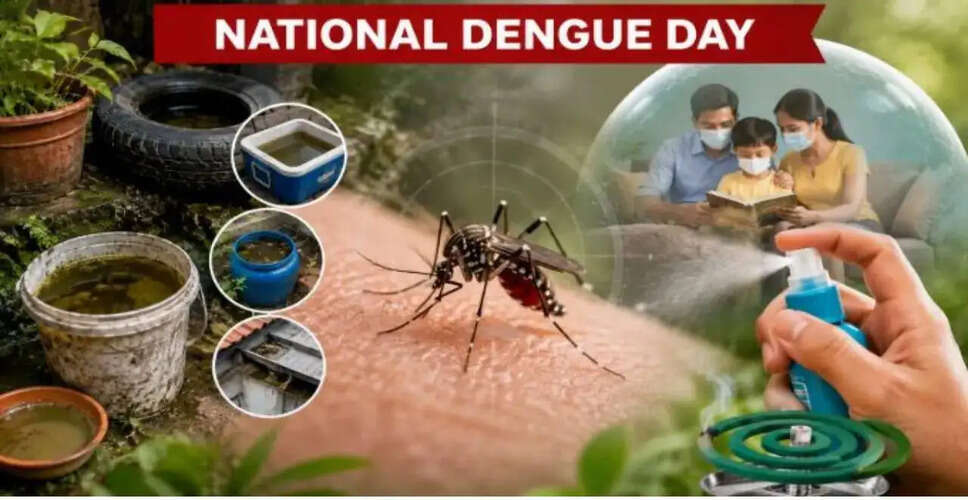
On the occasion of National Dengue Day, health professionals are emphasizing that relying solely on mosquito repellents is insufficient for safeguarding against Dengue Fever, a potentially fatal illness if not treated promptly. With the annual rise in dengue cases across various states, experts advocate for a more comprehensive approach beyond just using sprays, coils, or creams. While repellents can be beneficial, they cannot halt dengue transmission if mosquito breeding sites persist in residential, commercial, and public areas.
Understanding the Rise in Dengue Cases
Why do dengue cases continue to rise?
Dengue is primarily transmitted by the Aedes aegypti mosquito, which thrives in clean, stagnant water. Unlike other mosquitoes, Aedes mosquitoes are most active during the day, particularly in the early morning and late afternoon. Experts attribute the increasing dengue cases to rapid urbanization, inadequate drainage, waterlogging, climate change, and irregular rainfall, which create favorable conditions for mosquito breeding. Even minimal stagnant water in flower pots, buckets, or construction sites can become breeding grounds for numerous mosquitoes.
The Role of Mosquito Repellents
What mosquito repellents actually do?
Mosquito repellents are designed to minimize bites and reduce the risk of infection. These include various products such as creams, lotions, sprays, vaporizers, coils, and electric repellents. While they can decrease exposure to mosquitoes, they do not eliminate breeding sites or fully prevent dengue outbreaks. Health experts recommend using repellents in conjunction with environmental control measures and personal protective practices.
Effective Strategies for Dengue Prevention
The real key to dengue prevention
Doctors assert that the most effective method to combat dengue is to eliminate mosquito breeding. “There is no specific treatment for dengue, so we must focus on controlling mosquito populations and cleaning breeding sites. Stagnant water in coolers, flower pots, and construction areas poses a significant risk,” stated Dr. Jaybhaye. He advises the following measures:
- Regularly emptying and cleaning water coolers
- Properly covering water storage containers
- Avoiding water accumulation in flower pots
- Regularly cleaning drains and rooftops
- Removing stagnant water from construction sites
- Frequently changing pet water bowls
Recognizing Early Symptoms of Dengue
Why early symptoms should never be ignored
One major issue during dengue season is the delay in diagnosis. Many individuals mistakenly attribute dengue symptoms to common viral infections or heat exhaustion. Typical symptoms of dengue include:
- High fever
- Severe headaches
- Body and joint pain
- Pain behind the eyes
- Skin rashes
- Nausea or vomiting
- Extreme fatigue
Health professionals warn that symptoms like bleeding gums, severe abdominal pain, difficulty breathing, drowsiness, or persistent vomiting may indicate severe dengue and necessitate immediate medical attention. Dr. Jaybhaye notes that many individuals overlook early symptoms, which can hinder effective treatment. “Self-medication with over-the-counter painkillers and fever reducers can worsen the situation, especially if bleeding occurs, as platelet counts can drop rapidly.”
Vulnerable Populations at Higher Risk
Children and the elderly face a higher risk
Children, older adults, pregnant women, and individuals with diabetes or compromised immune systems are at greater risk for severe dengue complications. Experts also warn that repeated dengue infections can be more perilous, as contracting a different strain of the virus may elevate the risk of severe dengue and internal bleeding.