
Chikungunya Travel Alert: Essential Precautions for Travelers

Understanding the Chikungunya Threat
Despite their small size, mosquitoes can transmit viruses that lead to significant health issues. The Centers for Disease Control and Prevention (CDC) in the United States has released travel health advisories for various nations facing chikungunya outbreaks, urging travelers to take precautions against mosquito bites while traveling. Although this advisory does not constitute a travel ban, it serves as a caution for tourists, especially pregnant women, seniors, and individuals with pre-existing health conditions. With chikungunya cases reported in over 100 countries, understanding the symptoms and preventive measures is crucial before embarking on your next journey.
Reasons Behind the CDC's Chikungunya Alert
The CDC has pinpointed ongoing chikungunya outbreaks in several locations, including Costa Rica, Bolivia, French Guiana, Mauritius, Mayotte, Seychelles, and Suriname. For instance, Costa Rican health officials have ramped up mosquito control measures, including fumigating numerous homes, eradicating mosquito breeding grounds, and investigating suspected cases following the confirmation of multiple infections. The CDC issues travel health notices when there is proof of confirmed infections, local mosquito transmission, increasing case numbers, and a potential risk to international travelers.
Is India Affected?
India is indeed mentioned, but with a significant clarification. Currently, India is not under an active outbreak notice from the CDC. However, it is categorized as a country where travelers may encounter a heightened risk of chikungunya exposure due to the ongoing circulation of the virus. Other nations with similar elevated risks include Brazil, Colombia, Indonesia, Mexico, Nigeria, Pakistan, Peru, the Philippines, and Thailand. Travelers heading to these areas are advised to take necessary precautions against mosquito bites throughout their visit.
What is Chikungunya?
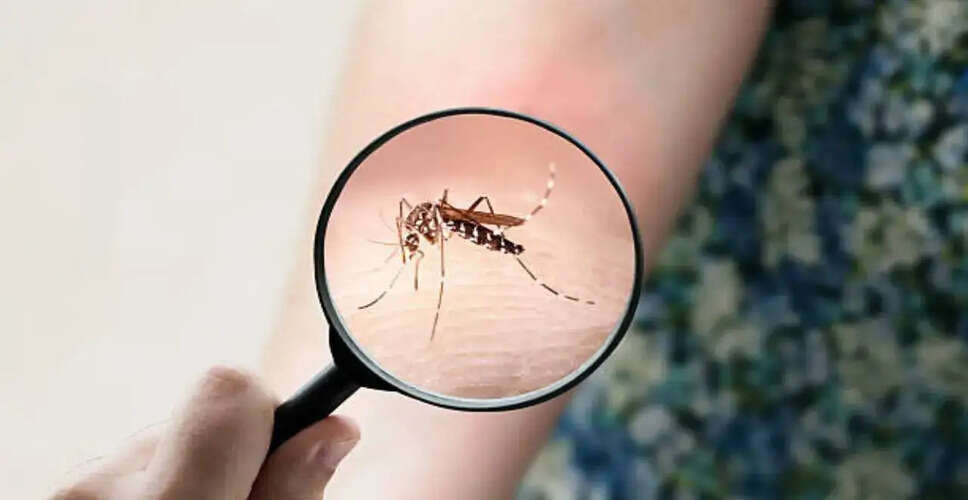
Chikungunya is a viral disease transmitted by mosquitoes, primarily the Aedes aegypti and Aedes albopictus species. These mosquitoes are also responsible for the transmission of dengue and Zika viruses. Unlike malaria-carrying mosquitoes, Aedes mosquitoes are most active during daylight hours, particularly at dawn and dusk.
Recognizing Chikungunya Symptoms
Symptoms typically manifest three to seven days after being bitten by an infected mosquito. Common signs to look out for include:
- Sudden high fever
- Severe joint pain
- Muscle aches
- Headaches
- Skin rashes
- Joint swelling
- Extreme fatigue
While most individuals recover within days to weeks, joint pain may linger for months or even years, especially in older adults. During the initial week of illness, infected individuals can transmit the virus to mosquitoes that bite them, facilitating further spread within the community.
Protective Measures for Travelers
As there is no specific antiviral treatment for chikungunya, prevention is the most effective strategy. Health professionals recommend the following precautions:
- Using mosquito repellents that contain DEET, picaridin, IR3535, or oil of lemon eucalyptus
- Wearing long-sleeved shirts and full-length pants
- Staying in air-conditioned or well-screened accommodations
- Sleeping under mosquito nets when necessary
- Eliminating standing water around residences and hotels to prevent mosquito breeding
If you experience fever and severe joint pain during or after your travels, seek medical attention immediately and inform your healthcare provider about your recent travel history.
This article is intended for informational purposes only and should not replace professional medical advice.