
Chhattisgarh's Efforts to Combat Lymphatic Filariasis: A Path to Elimination
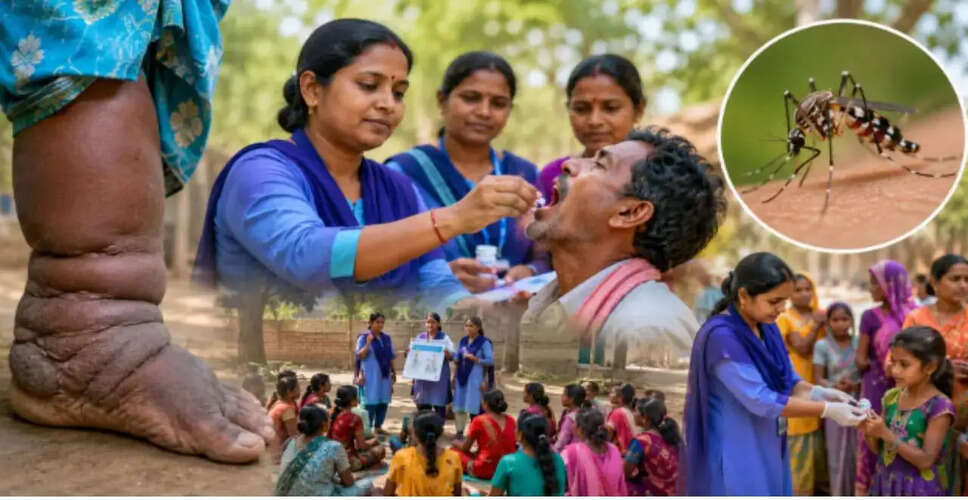

Understanding Lymphatic Filariasis
Lymphatic filariasis, often referred to as elephantiasis, ranks among the most overlooked tropical diseases globally. This condition can develop silently over many years, frequently without noticeable symptoms, ultimately leading to severe swelling in limbs, genitals, and breasts, which can result in lifelong disabilities and social stigma.
Chhattisgarh's Role in Elimination Efforts
As India aims to eradicate lymphatic filariasis by 2027, Chhattisgarh has become a significant player through extensive prevention initiatives, community engagement, and enhanced healthcare services. Dr. Jitendra Kumar, State Program Officer at the National Centre for Vector-borne Diseases Control, highlighted that despite progress, India still faces a high burden of this disease, with millions residing in at-risk regions.
What is Lymphatic Filariasis?
This mosquito-borne disease is caused by tiny parasitic worms that harm the lymphatic system. Over time, this damage can lead to chronic swelling, known as lymphedema, and in some men, hydrocele, which is a painful swelling of the scrotum. While not typically fatal, the disease can significantly impair mobility, productivity, and overall quality of life, making daily activities challenging for many affected individuals.
Importance of Early Prevention
A major challenge with lymphatic filariasis is that infections often go unnoticed for years. By the time symptoms like swelling appear, the damage is usually irreversible. Therefore, early intervention and prevention are crucial. Health experts stress that mass drug administration (MDA) is vital to India's elimination strategy, providing preventive medications to entire at-risk communities to halt disease transmission.
Chhattisgarh's Elimination Campaign
Currently, 18 endemic districts in Chhattisgarh are part of the national elimination initiative. During the Mass Drug Administration campaign in February 2026, preventive medications were distributed across 65 blocks, with the support of trained health officials and frontline workers. The campaign also involved over 2,200 Ayushman Arogya Mandirs, with around 90% actively engaged in awareness and mobilization efforts.
Community Health Workers at the Forefront
One of the campaign's strengths has been the involvement of Mitanins, the community health workers in Chhattisgarh. More than 28,000 Mitanins took part in the campaign, with nearly 10,000 receiving specialized training to tackle vaccine hesitancy and misconceptions about treatment. Numerous planning meetings and community interactions were held with local influencers to foster trust and encourage participation in preventive healthcare.
Evolving Public Health Strategies
India's strategy for addressing lymphatic filariasis has shifted from routine control measures to a focused elimination program. This initiative is spearheaded by the government with technical backing from the World Health Organization (WHO) and additional support from corporate social responsibility programs aimed at enhancing awareness and healthcare delivery.
Protective Measures for Individuals
Experts recommend several strategies to mitigate the spread of lymphatic filariasis:
- Engage in Mass Drug Administration campaigns.
- Follow healthcare workers' advice regarding preventive medications.
- Utilize mosquito control methods, including bed nets and repellents.
- Remove stagnant water sources to prevent mosquito breeding.
- Consult a doctor for persistent swelling or other symptoms.
Despite the ongoing challenges, India's sustained public health initiatives are moving the country closer to eliminating lymphatic filariasis. For Chhattisgarh, this phase represents a critical juncture where community involvement, timely medication, and ongoing awareness campaigns will be pivotal in achieving success.