
Challenges Facing India's Pharmaceutical Sector Amid Rising Costs
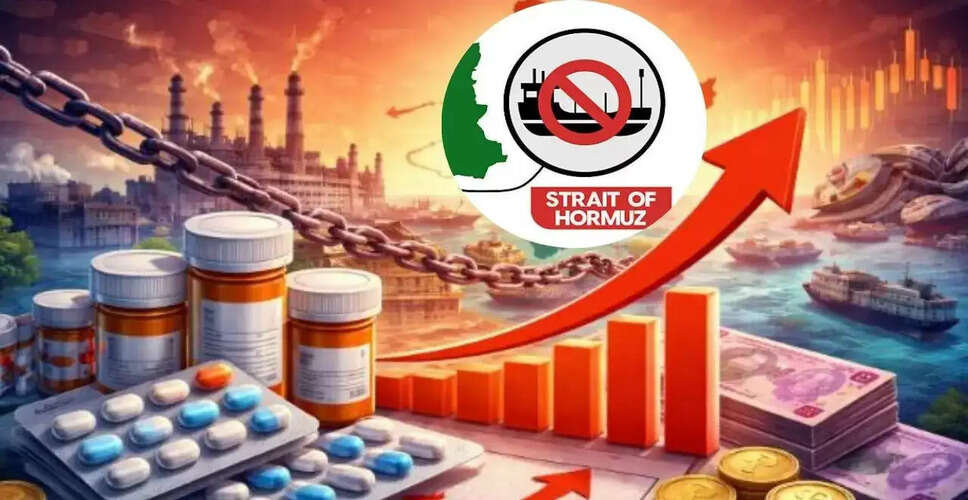

Impact of the Hormuz Crisis on India's Pharma Industry
The pharmaceutical industry in India is currently at a pivotal moment as the ongoing crisis in Hormuz leads to a significant increase in input costs, revealing critical weaknesses, particularly among small and medium-sized enterprises (MSMEs) in drug manufacturing. This geopolitical disruption is quickly transforming into a public health issue, affecting the availability of generic medications, pricing of drugs, and overall healthcare affordability in the country. A major factor contributing to this situation is the sharp rise in the costs of pharmaceutical solvents derived from petrochemicals, which have escalated by 30 to 40 percent in just a few weeks. According to Hari Kiran Chereddi, MD and CEO of HRV Pharma, “The surge in pharmaceutical solvents from petrochemical sources has been substantial, while shortages of vessels are hindering the import of goods from China, the primary supplier of raw materials for Indian manufacturers.” These solvents are crucial for the production of active pharmaceutical ingredients (APIs), excipients, and various formulations. Concurrently, logistical challenges and vessel shortages are limiting imports from China, which is vital for India's drug manufacturing sector.
Vulnerability of MSME Pharma Manufacturers
Vulnerability of MSME Pharma Manufacturers
While larger pharmaceutical companies can manage such fluctuations through inventory reserves and pricing strategies, the extensive network of MSME manufacturers in India, which contribute significantly to the production of affordable generic medicines, faces greater risks. These smaller firms often operate with narrow profit margins, minimal inventory, and fixed-price contracts, leaving them ill-equipped to handle sudden increases in multiple input costs. Consequently, many are already implementing price hikes of 10 to 20 percent across various drug categories, not as a strategic choice but as a necessary measure to keep their operations viable. However, even these adjustments may not suffice.
Concerns Over Supply Chain Reliability
Concerns Over Supply Chain Reliability
A more pressing issue is the reliability of the supply chain. Under prolonged cost pressures, MSMEs may choose to reduce or stop the production of low-margin essential medications, a logical business decision that could have dire public health implications. Affordable generics for chronic conditions like hypertension, diabetes, and infections are particularly vulnerable. Chereddi expressed concern about the potential downstream effects on supply reliability, stating, “If MSME manufacturers start postponing production of lower-margin drugs due to unmanageable cost increases, essential generics will be the first to suffer. This poses a significant public health risk hidden within a financial narrative.”
This situation could create a cascading effect throughout the healthcare system. A decrease in the availability of essential medications may lead to treatment delays, increased out-of-pocket costs, and a heavier burden on public health resources. In a nation where affordability is already a significant barrier to healthcare access, such disruptions could exacerbate health disparities.
Policy Interventions and Future Solutions
Policy Interventions and Future Solutions
While policy measures are being considered, their success will hinge on their promptness and comprehensiveness. The government's initiative to provide customs duty relief on petrochemical inputs is a step towards alleviating immediate costs. However, industry experts suggest that a more impactful approach would involve the National Pharmaceutical Pricing Authority (NPPA) granting greater pricing flexibility for essential medicines, especially those under price control. This flexibility could help MSMEs sustain production without incurring unsustainable losses. Without such support, the risks extend beyond financial strain on manufacturers to potential systemic disruptions in India's generic drug supply chain.
The Hormuz crisis has highlighted a crucial truth: the resilience of India's pharmaceutical sector is closely tied to the strength of its MSME foundation. Addressing immediate cost challenges is vital, but long-term strategies must also focus on diversifying supply chains, enhancing domestic API production, and developing more flexible pricing models. Ultimately, this issue transcends industry concerns; it is about ensuring continuous access to affordable medications for millions who rely on them.