
Celebrating 250 Years of Medical Advancements in the U.S.

A Reflection on Medical Progress
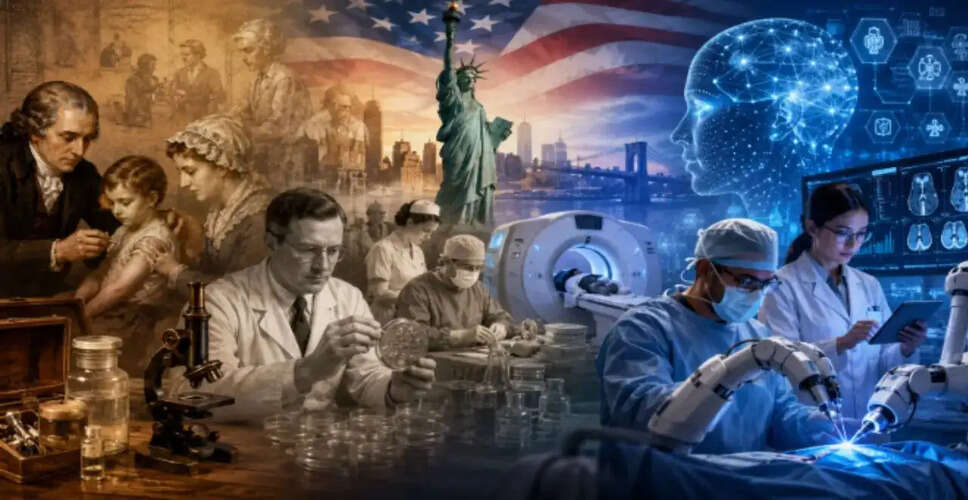
As the United States commemorates its 250th anniversary of independence, it serves as an opportunity to reflect on remarkable advancements in medicine over the past two and a half centuries. Innovations such as the initial vaccines, life-saving antibiotics, organ transplants, mRNA vaccines, robotic surgery, and artificial intelligence (AI) have significantly altered the landscape of disease prevention, diagnosis, and treatment. These medical breakthroughs have not only enhanced healthcare in the U.S. but have also had a global impact.
The Impact of Vaccination on Public Health
One of the most significant milestones in contemporary medicine is the extensive implementation of vaccines. Immunization initiatives have led to the global eradication of smallpox and a substantial decline in diseases like polio, measles, and diphtheria. The U.S. has been instrumental in vaccine research and public health initiatives, contributing to increased life expectancy and reduced child mortality rates.
Antibiotics: A Game Changer in Infection Treatment
Prior to the advent of antibiotics, even minor infections posed serious risks. The discovery of penicillin and subsequent antibiotic generations revolutionized healthcare by making bacterial infections manageable. These medications have saved countless lives and have been crucial in enabling modern surgical procedures, cancer therapies, and organ transplants by minimizing the threat of severe infections.
Advancements in Heart Disease Treatment
While cardiovascular disease remains a leading cause of mortality, advancements in cardiology have significantly improved patient survival rates. Today, many individuals survive heart attacks that would have been fatal in the past. Key innovations include:
- Coronary angioplasty
- Heart stents
- Bypass surgery
- Implantable pacemakers
- Defibrillators
- Advanced cardiac imaging
The Reality of Organ Transplants
Successful transplants of kidneys, livers, hearts, and lungs have dramatically changed the prognosis for patients suffering from end-stage organ failure. Improvements in immunosuppressive therapies, surgical methods, and donor matching have made organ transplantation safer and more effective than ever.
The Era of Precision Medicine in Cancer Care
Cancer treatment has progressed beyond traditional chemotherapy. Physicians can now customize therapies based on the specific characteristics of a patient's tumor, enhancing survival rates while minimizing side effects. Current treatment options include:
- Immunotherapy
- Targeted therapy
- Precision medicine
- Genetic testing
- Robotic cancer surgery
Revolutionizing Diagnosis with Medical Imaging
Modern imaging technologies have transformed the diagnostic process by enabling earlier and more precise disease detection. Healthcare providers now routinely utilize MRI, CT scans, PET scans, ultrasound, and 3D imaging to identify conditions such as strokes, cancers, fractures, and heart disease before symptoms escalate.
The mRNA Vaccine Breakthrough
The COVID-19 pandemic accelerated the development of mRNA vaccine technology, which had been under research for years. This innovation showcased the potential for rapid and effective vaccine development. Researchers are now investigating similar technologies for other diseases, including influenza, RSV, HIV, and certain cancers.
AI's Role in Transforming Healthcare
The healthcare sector is entering a new digital age driven by Artificial Intelligence (AI). AI is already assisting healthcare professionals in detecting cancer in medical images, predicting heart disease risks, identifying diabetic eye disease, enhancing radiology reporting, personalizing treatment plans, and optimizing hospital operations. Rather than replacing healthcare providers, AI is emerging as a valuable tool that aids in quicker diagnoses and improved clinical decisions.
Telemedicine: Expanding Access to Healthcare
Virtual consultations have revolutionized healthcare delivery, especially following the COVID-19 pandemic. Telemedicine enables patients to consult specialists remotely, manage chronic conditions from home, and receive follow-up care without the need for extensive travel, thereby enhancing access to healthcare, particularly in rural areas. As the U.S. celebrates 250 years, the healthcare landscape continues to evolve rapidly, with advancements in gene editing, regenerative medicine, wearable health technology, AI-assisted diagnostics, personalized medicine, and digital health poised to redefine medical care in the future.