
California Chemical Leak Raises Health Concerns for Thousands
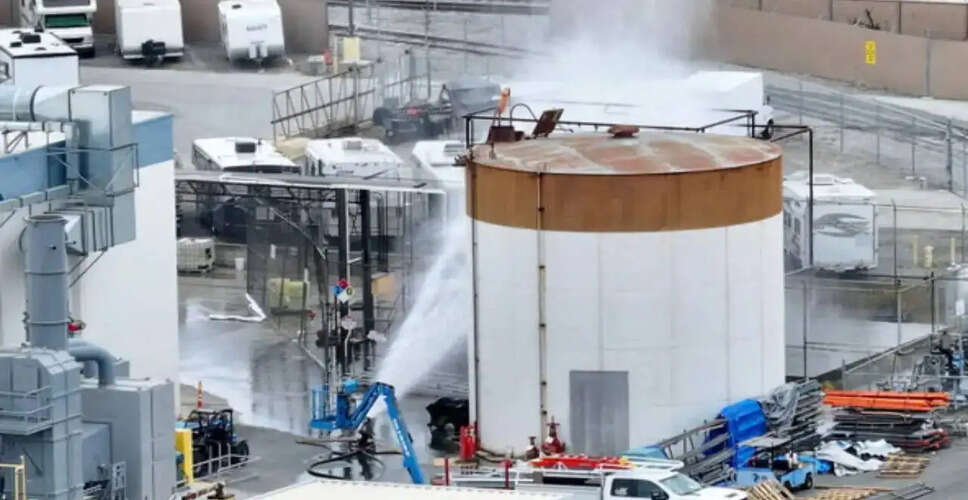

Overview of the Chemical Emergency
A significant chemical incident in California has sparked new worries regarding the health risks associated with industrial chemical exposure. Over 40,000 residents were evacuated due to a toxic leak at an aerospace manufacturing site in Garden Grove. Officials from the Orange County Fire Authority reported that the leak involved methyl methacrylate (MMA), a highly flammable and volatile substance frequently utilized in the production of plastics, acrylics, paints, coatings, and various industrial products. Emergency responders expanded the evacuation zones after a cooling system failure in one of the facility's chemical storage tanks heightened fears of fire, explosions, and toxic exposure.
Understanding Methyl Methacrylate
What is Methyl Methacrylate?
Methyl methacrylate is a clear liquid with a strong fruity scent, primarily used in the creation of acrylic plastics like Plexiglas, dental materials, medical devices, adhesives, and automotive components. Due to its quick evaporation and ignition properties, health and environmental authorities classify it as hazardous and highly flammable. Industrial facilities that handle significant amounts of MMA must adhere to stringent safety protocols regarding storage, ventilation, and temperature control to avert dangerous leaks or chemical reactions.
Health Risks Associated with Methyl Methacrylate
Why is Methyl Methacrylate Dangerous?
Exposure to methyl methacrylate can lead to irritation of the eyes, skin, nose, throat, and lungs. Health professionals caution that inhaling high concentrations of MMA fumes may result in:
- Headaches
- Dizziness
- Nausea
- Coughing
- Breathing difficulties
- Chest irritation
- Fatigue
In extreme cases, individuals may suffer from confusion, respiratory distress, or chemical burns. Given the chemical's volatility, there are also significant concerns regarding fire hazards and potential explosions if vapor levels rise excessively. California authorities ordered evacuations as a precautionary measure to safeguard nearby residents from toxic fumes and ignition risks.
Vulnerable Populations
Who is Most at Risk?
Children, the elderly, pregnant women, and individuals with asthma or chronic respiratory issues are particularly susceptible to chemical exposure. Workers in sectors dealing with plastics, paints, construction materials, or chemical manufacturing may also face long-term exposure risks if adequate protective gear is not utilized. Occupational safety experts indicate that prolonged exposure to methyl methacrylate can lead to chronic respiratory issues and skin sensitivity.
Safety Measures During a Chemical Leak
What to Do During a Chemical Leak?
Public health officials advise taking immediate actions during hazardous chemical emergencies:
- Follow evacuation orders promptly.
- Steer clear of the affected area.
- Remain indoors if instructed by authorities.
- Shut windows and ventilation systems.
- Wear protective masks if there is a risk of exposure.
- Seek medical help if symptoms arise.
Experts emphasize that a swift emergency response is crucial, as chemical vapor exposure can spread rapidly depending on weather conditions and wind direction.
Importance of Industrial Chemical Safety
Why Industrial Chemical Safety Matters?
The recent incident in California has reignited discussions about industrial safety, hazardous chemical storage, and emergency preparedness in densely populated urban settings. Health experts warn that aging infrastructure, increasing industrial demands, and climate-related heat risks could heighten the chances of future chemical emergencies if safety systems fail. Authorities are currently investigating the cause of the leak while emergency teams monitor air quality and cooling systems around the affected tanks. As public concern escalates, experts stress the necessity for enhanced industrial safety protocols, emergency planning, and public awareness to protect communities from toxic chemical exposure and environmental health threats.