
Budget-Friendly Anti-Inflammatory Diet Plan for Better Health
Understanding Inflammation and Its Impact
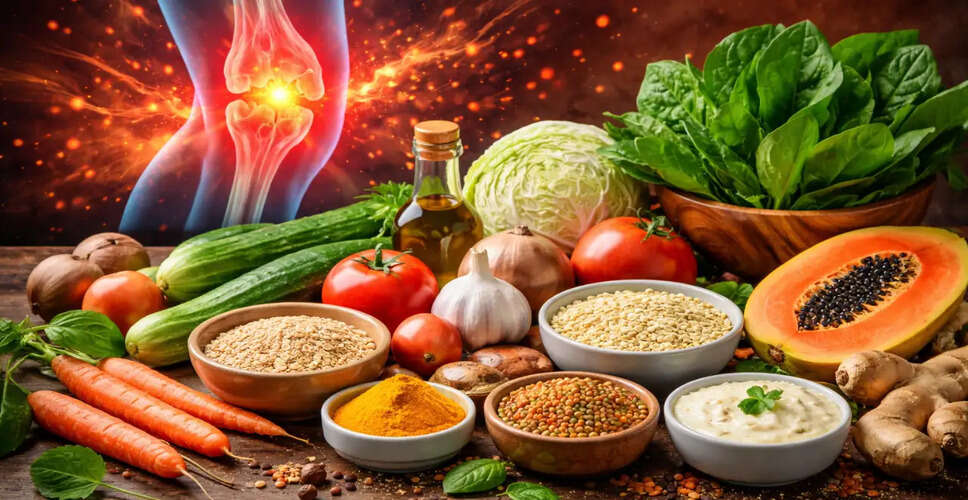
Experiencing weight gain around the abdomen, constant fatigue, and dull aches may not simply indicate laziness; these could be signs of inflammation in your body. To tackle this issue effectively, focusing on gut health is essential, and it doesn't have to break the bank. We consulted Dr. Nisha, a Dietary and Nutrition expert at Motherhood Hospital in Gurgaon, to outline the first crucial step in an anti-inflammatory diet: clean eating on a budget of ₹1,000 per week.
Weekly Grocery Essentials
Weekly Grocery List
Vegetables- Spinach - 2 bunches
- Lauki - 1 large
- Tori - 500gms
- Carrots - 500gms
- Cabbage - 1 medium
- Onions - 1 kg
- Tomatoes - 500gms
- Garlic - 2 bulbs
- Ginger - 100gms
- Papaya or seasonal fruit - 1 medium
- Lemons - 6 to 8
- Mixed atta - 2kg
- Rice - 1kg
- Dalia or oats - 500gms
- Moong dal - 500gms
- Masoor dal - 500gms
- Chana - 500gms
- Curd - daily (preferably homemade)
- Mustard or groundnut oil - small pack
- Peanuts - 250gms
- Turmeric
- Cumin
- Ajwain
- Black pepper
- Bay leaf
Daily Routine for Anti-Inflammatory Eating
The Routine
Begin your day with a glass of water infused with lemon, ginger, and a pinch of turmeric. Breakfast should be consumed within one to two hours of waking and should be light, warm, and easy to digest. A combination of fiber and protein is ideal for a gentle start. Avoid heavy or oily meals in the morning. Lunch should be the most substantial meal, ideally consumed by 2 PM, with a focus on protein. Dinner should be lighter, ideally by 8:30 PM, with smaller portions than lunch. Dr. Nisha recommends rotating dishes such as moong dal khichdi, vegetable dalia, palak dal, chana salad, curd rice, poha, vegetable oats, and vegetable besan cheela throughout the week.
Key Considerations for Your Diet
Things to Keep in Mind
From the grocery list, Dr. Nisha emphasizes the importance of staples like moong dal, turmeric, green vegetables (spinach, lauki, tori), curd, ginger, and garlic. If you're on a tighter budget, ensure you're still getting enough protein (even simple dal), at least one vegetable daily (with ample turmeric), and incorporating fermented foods like dahi and healthy fats such as nuts and seeds. Opt for cooking methods like steaming, boiling, light sautéing, and pressure cooking, and include turmeric with black pepper, cumin, ajwain, ginger, and garlic in your meals. To effectively combat inflammation, avoid deep frying, reheating oil, or burning spices. Positive changes may manifest as improved digestion, reduced bloating, stable energy levels, diminished cravings, and clearer skin. If issues like fatigue, constipation, sugar cravings, or acne persist, consider adjusting your approach.