
BTS Leader RM Faces Ankle Injury Ahead of Arirang Live Concert
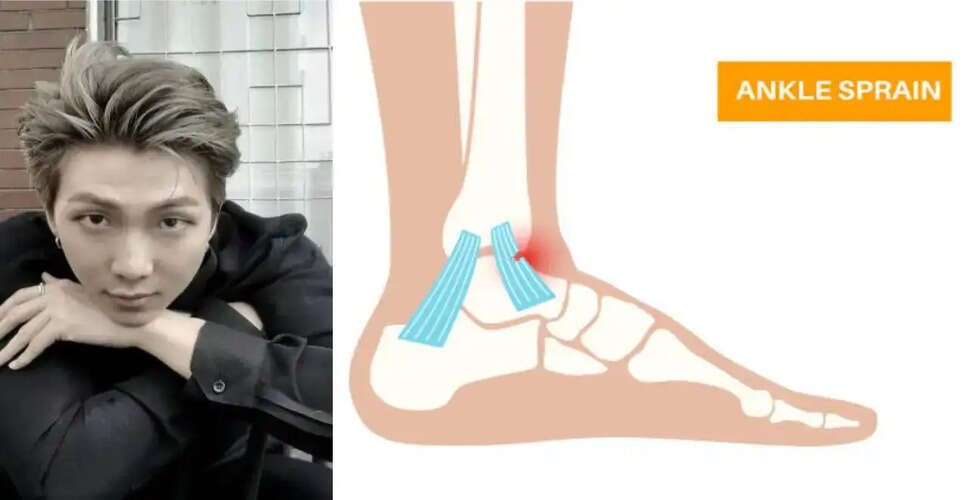
BTS Leader RM's Ankle Injury Raises Concerns
In a troubling update for BTS fans, RM, the group's leader, has reportedly sustained an ankle injury just before the eagerly awaited Arirang Live concert. The injury, identified as an accessory navicular sprain, has led to widespread concern and questions regarding its severity and recovery process. An official announcement from the label indicated that medical assessments showed a sprain of the accessory navicular, a partial tear of the ligament, and a contusion of the talus, which is essentially a bone bruise. This injury occurred during a dance rehearsal. Despite his injury, RM is determined to perform at the Gwanghwamun Square event on March 21, albeit with limited choreography and while wearing a leg cast.
Understanding Accessory Navicular Sprain
An accessory navicular refers to an additional bone or cartilage piece found on the inner side of the foot, just above the arch. While many individuals may have this condition without experiencing any symptoms, it can lead to pain when aggravated. A sprain occurs when the ligaments and surrounding tissues are strained or injured, often due to:
- Excessive use or vigorous physical activity
- Sudden twisting movements
- Pressure from footwear or repetitive stress
For performers like RM, who engage in rigorous rehearsals and performances, such injuries are not uncommon. The human foot comprises 26 bones, yet approximately 4 to 21 percent of the global population is born with an extra bone. This congenital condition involves a small piece of cartilage or bone developing into a secondary ossification center on the inner side of the foot, just above the arch. A 2025 study published in the Journal of Orthopedic Case Reports indicated that nearly 24.5 percent of the Indian population may possess this extra bone, often without awareness.
Symptoms of Accessory Navicular Sprain
Medical professionals note that an accessory navicular sprain can lead to:
- Pain or throbbing sensation in the inner foot
- Swelling and redness
- Difficulty in walking or bearing weight on the foot
- Increased discomfort during physical activity
If not addressed, this injury can hinder mobility and performance, making prompt treatment crucial.
Treatment and Recovery Process
Typically, treatment aims to alleviate pain and inflammation while facilitating healing. This may include rest, ice therapy, compression, supportive footwear, anti-inflammatory medications, and physical therapy to strengthen the foot. In more severe or recurring cases, immobilization or, in rare instances, surgery may be advised. Recovery duration varies based on the injury's severity; mild cases may improve within weeks, while more serious injuries could require a longer healing period.
Significance of RM's Injury
This incident underscores the physical challenges faced by performers and athletes. Foot injuries like accessory navicular syndrome are often underestimated but can escalate into serious issues if neglected. It also emphasizes the importance of:
- Early diagnosis
- Choosing appropriate footwear
- Ensuring adequate rest during intense training
RM's ankle injury serves as a reminder that even the most energetic performers are susceptible to physical strain. Recognizing conditions such as accessory navicular sprain can aid fans and individuals in identifying symptoms early and seeking timely medical attention.