
Breakthrough in Synthetic Biology: Creation of a Functional Synthetic Cell

Major Advancement in Synthetic Biology
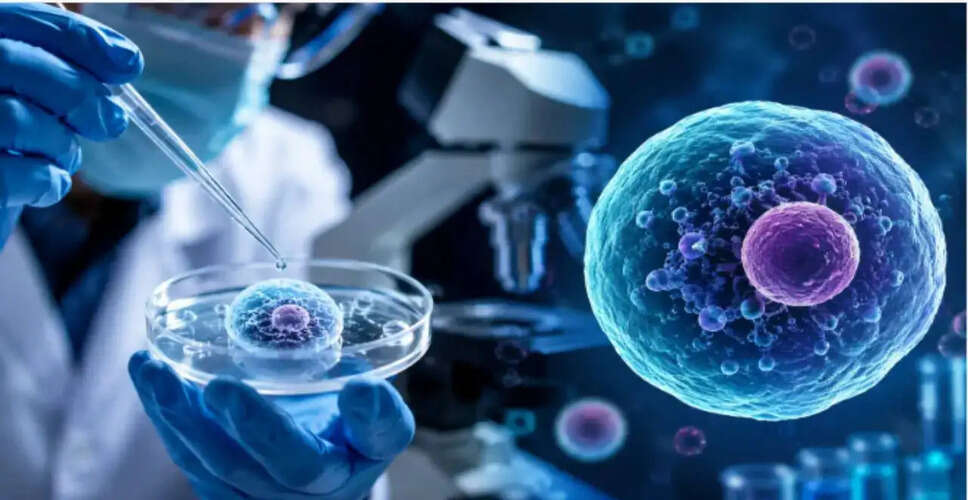
Researchers have achieved a significant milestone in the field of synthetic biology by successfully constructing a synthetic cell from the ground up. This cell, which can consume nutrients, grow, and replicate similarly to natural cells, does not equate to the creation of life, but it holds the potential to revolutionize areas such as cancer treatment, diabetes management, drug development, and personalized medicine. The project, spearheaded by Kate Adamala from the University of Minnesota, has resulted in a prototype known as SpudCell, which is entirely composed of non-living chemical components rather than being derived from existing organisms.
Understanding Synthetic Cells
What is a synthetic cell?
A synthetic cell is an engineered entity created using selected biological molecules, differing from traditional stem cell research that modifies existing cells. The SpudCell prototype is significantly simpler, containing only 150 to 200 molecules, compared to the millions found in natural bacterial cells. Despite its simplicity, it can absorb nutrients, grow, and reproduce for several generations. Scientists clarify that this is not artificial life but a valuable research tool aimed at unraveling fundamental biological processes.
Implications for Human Health
Why is this important for human health?
Experts suggest that synthetic cells could serve as customizable biological factories to tackle complex medical and environmental challenges. Possible future uses include:
- Creating more effective cancer treatments
- Enhancing the production of insulin and other essential medications
- Developing personalized drug delivery systems
- Accelerating vaccine production during outbreaks
- Treating rare genetic disorders
- Formulating new antibiotics to combat antimicrobial resistance
- Producing sustainable chemicals through biological means
Currently, genetically modified bacteria are utilized to produce insulin for diabetes patients, and synthetic cells may broaden these capabilities by enabling the design of entirely new biological systems.
Functionality of the Synthetic Cell
How does the synthetic cell work?
Unlike natural cells, SpudCell does not possess many complex structures, including a fully operational protein synthesis system. Instead, researchers provide ribosomes, the molecular machines that create proteins, during its feeding process. Under controlled laboratory conditions, the synthetic cell grows and divides approximately every 12 hours. Although it is less efficient than natural bacteria like E. coli, scientists view it as a crucial proof of concept. Furthermore, researchers have shown that these synthetic cells can adapt to genetic modifications that enhance growth, marking a significant step toward developing programmable biological systems.
Safety Considerations
Is it safe?
Experts emphasize that the current synthetic cell does not pose any immediate health or environmental threats. SpudCell cannot survive independently and relies entirely on nutrients and cellular machinery provided in the lab, making accidental release highly improbable. Future iterations of synthetic cells may be designed with safety features to prevent survival outside controlled settings. However, as synthetic biology progresses, the need for ethical oversight and international safety regulations will become increasingly critical.
Looking Ahead in Synthetic Biology
The future of synthetic biology
While SpudCell remains an early-stage laboratory prototype, many researchers regard it as one of the most significant advancements in synthetic biology in recent years. The ultimate aim is to develop programmable cells capable of performing specific medical functions, such as targeting cancer cells or producing personalized treatments. Although these applications are still years away, this breakthrough provides a glimpse into a future where engineered biology could significantly enhance healthcare, leading to more precise, effective, and sustainable treatments.