
Breakthrough Drug Daraxonrasib Offers New Hope for Pancreatic Cancer Patients
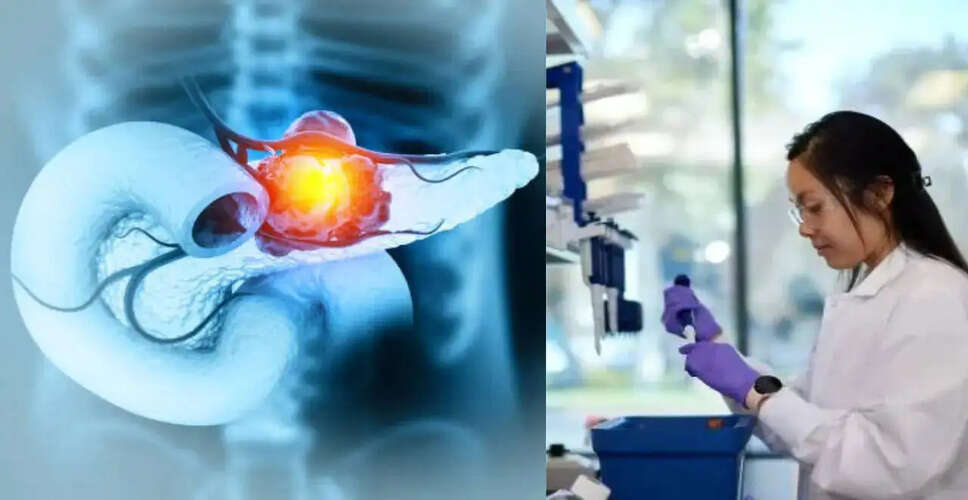

Exciting Developments in Pancreatic Cancer Treatment
A groundbreaking pancreatic cancer medication named Daraxonrasib is creating significant enthusiasm among oncologists, as recent clinical trials indicate it may nearly double the survival rate for patients suffering from advanced pancreatic cancer. Medical professionals and researchers believe this drug could revolutionize the treatment landscape for one of the most lethal cancers, providing renewed hope for patients who have historically faced limited options. Developed by Revolution Medicines, Daraxonrasib has received expedited approval from the US Food and Drug Administration (FDA), which has recently permitted broader access to the drug outside of clinical trials, reflecting increasing confidence in its efficacy.
Survival Benefits of Daraxonrasib
Daraxonrasib Shows Promising Survival Benefits
In a recent Phase 3 clinical trial, patients treated with daraxonrasib in conjunction with chemotherapy exhibited significantly longer survival compared to those who received chemotherapy alone. Researchers reported that overall survival improved from 6.7 months to 13.2 months for patients with advanced pancreatic cancer. Previous Phase 1 and 2 trial results, published in the New England Journal of Medicine, indicated that the drug halted tumor progression for over eight months and extended survival to nearly 15.6 months for some patients with metastatic pancreatic cancer. Experts are calling these findings one of the most significant advancements in pancreatic cancer treatment in over a decade. Dr. Brian Wolpin from the Dana-Farber Cancer Institute remarked, “This really feels like a watershed moment. It’s going to shift how we think about treatment for pancreatic cancer overall.”
Mechanism of Action
How Does the Drug Work?
Daraxonrasib specifically targets the RAS protein, which is a crucial factor in cancer proliferation. Over 90% of pancreatic cancers harbor mutations in the KRAS gene, leading to uncontrolled growth of cancer cells. For many years, RAS proteins were deemed “undruggable” due to the challenges in effectively inhibiting them. However, Daraxonrasib changes this narrative by functioning as a “molecular glue,” facilitating the attachment of another protein, cyclophilin A, to RAS, thereby inhibiting its cancer-promoting functions. Researchers believe this mechanism could also aid patients with other cancers driven by KRAS mutations, such as colorectal and lung cancers.
Challenges in Treating Pancreatic Cancer
Why is Pancreatic Cancer So Difficult to Treat?
Pancreatic cancer is one of the most lethal cancers globally, primarily because its symptoms are often vague and challenging to detect in the early stages. The American Cancer Society reports that only about 3% of patients with metastatic pancreatic cancer survive beyond five years. This year, more than 67,000 Americans are expected to be diagnosed with pancreatic cancer, with over 52,000 projected deaths. Most patients are diagnosed only after the cancer has metastasized to other organs, such as the liver or lungs, complicating treatment efforts.
Side Effects and Future Prospects
Side Effects and Future Potential
While Daraxonrasib has demonstrated impressive effectiveness, researchers have noted side effects including severe skin rashes, mouth sores, vomiting, and diarrhea. Nevertheless, many patients reportedly tolerate this oral therapy better than traditional chemotherapy infusions. Cancer specialists anticipate that this drug could soon be integrated into first-line treatment for pancreatic cancer, rather than being reserved for cases where chemotherapy has failed. Ongoing studies are exploring whether daraxonrasib can further enhance outcomes when combined with chemotherapy earlier in treatment or applied to other RAS-driven cancers. Researchers assert that this drug signifies a breakthrough in precision cancer medicine and has the potential to transform pancreatic cancer care worldwide.