
Ben Stokes' Remarkable Recovery: Understanding Facial Injury and Rehabilitation
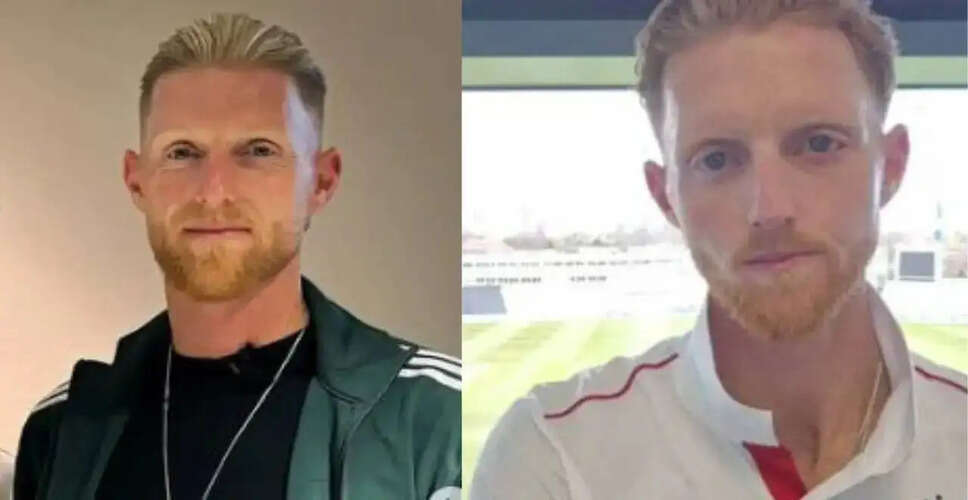

Ben Stokes' Transformation After Surgery
Ben Stokes, the captain of the England Test cricket team, has ignited conversations following his recent appearance, which showcased a significantly changed facial structure and a leaner body. This transformation was highlighted in a promotional video for England's new cricket kits and comes after the 34-year-old underwent extensive reconstructive surgery due to a serious facial injury. While many fans expressed their worries, medical professionals indicate that such changes are often a natural part of the healing process after severe trauma.
New look of Ben Stokes❤After surgery, Ben Stokes shows a noticeable facial transformation, reflecting the severity of the injury and his determined journey toward recovery. 🤯 pic.twitter.com/pnKly6zo7a
— Danish (@BhttDNSH100) April 25, 2026
Understanding the Injury
The Injury: What Happened?
Stokes suffered his injury during a training session with Durham County Cricket Club when a cricket ball struck him in the face, resulting in a fractured cheekbone. Such facial fractures, especially in the orbital and cheekbone areas, are serious and often necessitate surgical procedures to restore both function and aesthetics. Surgeons typically use titanium plates or screws to stabilize the affected bone structure. Following surgery, swelling, tissue healing, and minor structural changes can lead to temporary or even permanent alterations in a person's facial appearance.
Reasons for Facial Changes
Why Does His Face Look Different?
Post-surgery, it is common for patients to experience several changes, including:
- Swelling and inflammation during the healing process
- Alterations in facial symmetry
- Temporary weight loss due to decreased activity or dietary adjustments
- Muscle atrophy from limited movement
The Recovery Journey
The Recovery Process
Healing from a facial fracture involves more than just bone recovery; it requires a comprehensive rehabilitation strategy that includes:
- Rest and a gradual return to physical activities
- Nutritional support to facilitate tissue repair
- Physiotherapy to restore muscle function
- Monitoring for complications such as infections or nerve damage
Psychological Effects of Injury
Mental and Emotional Impact
In addition to physical repercussions, facial injuries can lead to psychological challenges. Changes in appearance, coupled with time away from the sport, may result in anxiety, diminished confidence, or stress. Experts stress that mental health support is crucial during recovery, particularly for high-profile athletes facing public scrutiny. Despite the challenges, Stokes is reportedly making good progress and aims to return to competitive cricket soon. The upcoming Test series against New Zealand will be a significant milestone, not only for the team but also for his personal comeback. A careful return to the sport is vital to avoid re-injury, and athletes typically undergo fitness evaluations before resuming full training to ensure they can meet the physical demands of competition.
Public Health Awareness
What This Means for Public Health Awareness
Stokes’ situation highlights the risks associated with sports injuries and the critical importance of prompt medical attention. Untreated facial trauma can lead to long-term complications, including vision issues, chronic pain, or permanent deformities. The key takeaway is that recovery is a gradual process, and visible changes are often part of healing. Whether you are a professional athlete or a fitness enthusiast, prioritizing safety, appropriate treatment, and sufficient recovery time is essential for long-term health. Stokes’ journey serves as a powerful reminder that even elite athletes are susceptible to injuries, but with the right care and determination, recovery is achievable.