
Beat the Heat: How Traditional Foods Keep You Cool This Summer

Cooling Comfort Foods for Hot Weather
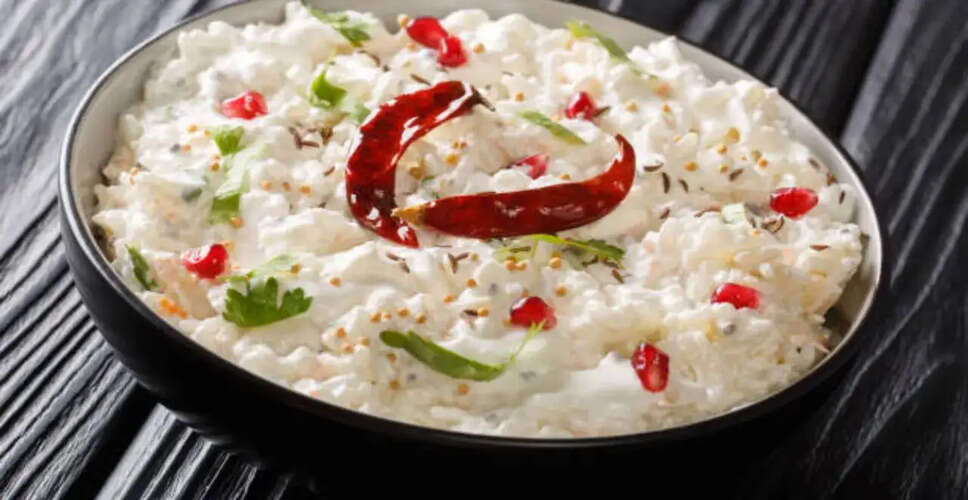
As heatwaves intensify across India, many individuals are opting for traditional comfort foods such as curd rice, buttermilk, yogurt, fruits, and salads to manage the rising temperatures. Health professionals suggest that these simple dishes, including dahi chawal, can indeed help the body remain cool during extreme heat. Lighter meals not only provide a refreshing sensation but also aid in hydration, digestion, electrolyte balance, and overall wellness during prolonged periods of heat. Nutritionists explain that during summer, the body naturally seeks lighter fare since digestion generates heat. Heavier, oily foods demand more energy to digest, which can lead to discomfort, bloating, and fatigue in high temperatures.
Why Light Meals Are Beneficial in Heatwaves
Why do light meals feel better during heatwaves?
Heatwaves exert significant stress on the human body. Elevated temperatures lead to increased sweating, a higher risk of dehydration, and fatigue, often diminishing appetite. Nutrition experts highlight that foods like curd rice, kadhi, buttermilk, cucumbers, salads, and fresh fruits are easier to digest and provide additional hydration. Curd rice is particularly favored in Indian cuisine during summer as it combines carbohydrates, probiotics, fluids, and cooling elements in one dish. Its soft texture is gentle on the stomach, potentially alleviating digestive strain during intense heat. Additionally, doctors note that lightly chilled or room-temperature homemade meals may offer better thermal comfort compared to spicy or heavily fried options.
Hydration Benefits of Curd Rice and Buttermilk
How do curd rice and buttermilk support hydration?
Traditional Indian dishes like chaas, yogurt, and curd rice are gaining recognition for their gut health and hydration advantages. Curd is rich in probiotics, which are beneficial bacteria that promote digestive health and maintain gut balance. During summer, digestive issues such as acidity, bloating, and stomach discomfort can become more prevalent due to dehydration and irregular eating patterns. Buttermilk and yogurt-based meals offer:
- Hydration through water content
- Electrolytes lost via sweating
- Calcium and protein
- Cooling effects on the digestive system
These foods can enhance comfort during heatwaves, especially when consumed alongside adequate water intake throughout the day.
The Role of Fruits and Salads in Summer Nutrition
Fruits and salads help your body stay cool
Water-rich fruits and vegetables are crucial for summer nutrition. Items like watermelon, muskmelon, cucumbers, oranges, tomatoes, and lettuce are packed with water and essential vitamins and minerals. These hydrating foods can naturally support fluid intake while helping to prevent lethargy and weakness in hot weather. Experts recommend incorporating watermelon, coconut water, cucumbers, citrus fruits, and fresh salads into daily summer diets to enhance hydration and replenish nutrients lost through excessive sweating.
Ensuring Food Safety in Hot Weather
Food safety becomes crucial during summer
While cold foods can be advantageous, doctors emphasize the importance of hygiene during heatwaves. Raw salads, cut fruits, and dairy products left in heat for extended periods can become breeding grounds for bacteria, raising the risk of stomach infections and food poisoning. Health experts recommend consuming freshly prepared meals, avoiding stale refrigerated items, limiting roadside cut fruits during peak heat, and properly storing dairy products. Maintaining food hygiene is vital as rising temperatures accelerate bacterial growth.
Caution with Ice-Cold Foods
Are ice-cold foods the best solution?
Experts advise against relying too heavily on sugary cold drinks, processed frozen desserts, or excessive iced beverages. While these may provide temporary relief, they do not necessarily enhance hydration and can sometimes exacerbate digestive discomfort. Instead, doctors suggest balanced hydration through:
- Water
- Lemon water
- Coconut water
- Buttermilk
- Fresh seasonal foods
Traditional Diets Align with Modern Nutritional Advice
Traditional Indian diets match modern heat advice
Interestingly, many traditional Indian summer eating practices align closely with contemporary nutritional science. Fermented foods, seasonal fruits, probiotic-rich meals, and water-dense ingredients naturally support hydration and digestion during extreme weather. As climate change leads to longer and more severe heatwaves, experts suggest that diets focused on hydration, gut health, and easy digestion will be increasingly vital for maintaining overall health.