
Barry Manilow Discusses His Lung Cancer Journey and Lobectomy Experience
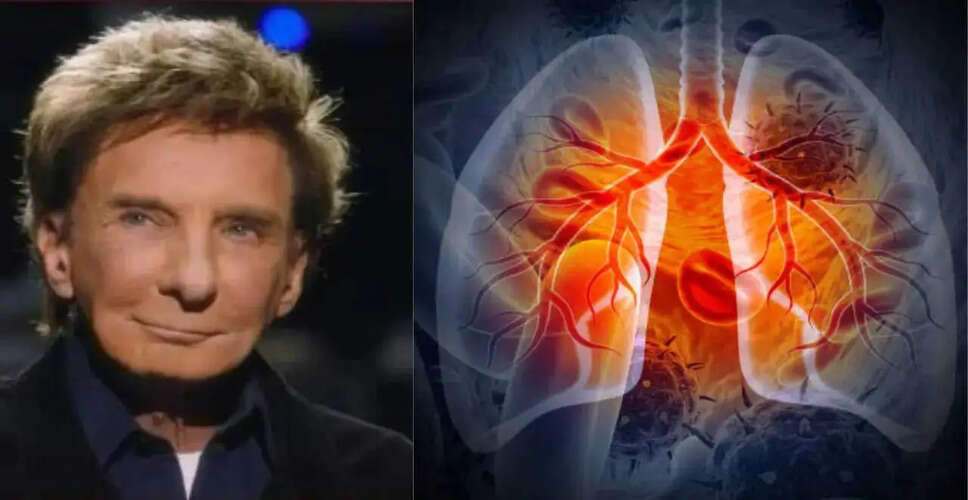
Barry Manilow's Health Update
Renowned singer Barry Manilow has shared insights regarding his recent diagnosis of lung cancer and the lobectomy he underwent in December 2025. At 82 years old, he described his seven-day stay in the ICU as a “nightmare,” despite the fact that he is now cancer-free. In an interview, he reflected on the fragility of life, stating, “You just don’t even think about [how fragile life is]. And suddenly, you have lung cancer.” He expressed gratitude for still being alive, noting, “But I’m still here. I’m not all here; there’s part of me that isn’t here - they took out a part of me, and now I’ve got to figure out, ‘What do I do?’” Manilow emphasized that the experience has been challenging but is focused on regaining his strength.
Understanding Lobectomy
What is a Lobectomy?
A lobectomy is a surgical procedure that involves the removal of one lobe from the lungs. The lungs consist of lobes, with three on the right side and two on the left. This surgery is often performed when cancer is localized to a specific lobe, allowing for the effective removal of the tumor while preserving healthy lung tissue. It is a common treatment for early-stage lung cancer, particularly non-small cell lung cancer (NSCLC), which represents the majority of lung cancer cases.
Indications for Lobectomy
Why is a Lobectomy Necessary?
Medical professionals recommend a lobectomy under certain conditions:
- The cancer is localized and has not spread significantly.
- The patient is in good enough health to undergo the procedure.
- Removing the affected lobe provides the best chance for a cure.
In cases like Manilow's, early detection is crucial. When lung cancer is identified early, surgical removal of the tumor can greatly enhance survival rates.
Surgical Techniques
How is the Surgery Performed?
A lobectomy can be executed using various techniques:
Open Surgery or Thoracotomy
This traditional method involves making a larger incision in the chest.
Minimally Invasive Surgery (VATS)
This approach uses smaller incisions, leading to quicker recovery and reduced pain.
During the surgery, surgeons carefully excise the affected lobe along with nearby lymph nodes to check for cancer spread.
Recovery and Potential Risks
Recovery and Risks Associated with Lobectomy
The recovery period after a lobectomy can vary based on the patient's overall health and the surgical method employed. Most individuals spend several days in the hospital and may require weeks to fully recuperate. Common side effects include:
- Chest pain or discomfort
- Shortness of breath during recovery
- Fatigue
While there are risks of complications such as infection or bleeding, advancements in minimally invasive lung surgery have significantly improved patient outcomes. Lung cancer continues to be a leading cause of cancer-related deaths globally. However, stories like Barry Manilow's underscore the significance of early detection, prompt treatment, and access to advanced healthcare. Symptoms of lung cancer can often be subtle and may include:
- Persistent cough
- Chest pain
- Breathlessness
- Unexplained weight loss
Recognizing these symptoms early and seeking medical attention can be life-saving.