
Asha Bhosle Hospitalized: Understanding Cardiac Arrest and Its Risks
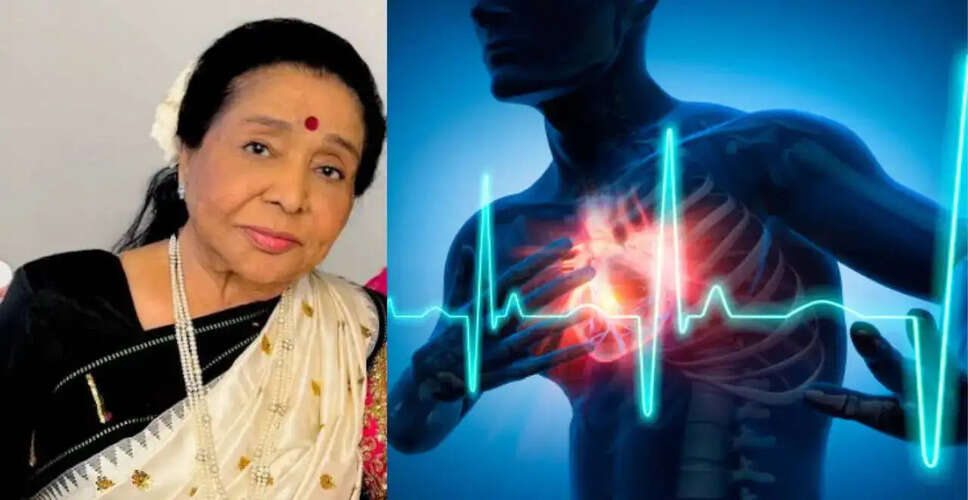

Asha Bhosle's Health Update
Renowned playback singer Asha Bhosle has been admitted to Breach Candy Hospital following a cardiac arrest, as reported by medical professionals. The 90-year-old icon is currently under care in the Emergency Medical Services unit. Although her family has not released an official statement, this news has raised significant concern and highlighted the importance of heart health among the elderly.
Understanding Cardiac Arrest
What is Cardiac Arrest?
Cardiac arrest refers to a sudden and unexpected cessation of heart function, breathing, and consciousness. This condition arises when the heart's electrical system fails, leading to an irregular heartbeat, known as arrhythmia, which halts blood circulation to the brain and other essential organs. Unlike a heart attack, which results from obstructed blood flow to the heart, cardiac arrest is fundamentally an electrical issue. It is a critical medical emergency that necessitates immediate action, including CPR and defibrillation.
Age and Cardiac Arrest Risk
Why Does Cardiac Arrest Risk Increase with Age?
Experts indicate that older individuals face a heightened risk of cardiac arrest due to pre-existing heart conditions, high blood pressure, diabetes, and the natural weakening of heart muscles as they age. In their 90s, individuals often have diminished resilience, complicating recovery and necessitating intensive medical intervention. Although cardiac arrest can occur abruptly, some warning signs may precede it, and recognizing these can be crucial for survival:
- Sudden collapse
- Loss of consciousness
- No pulse or breathing
- Chest discomfort or palpitations (which may occur before collapse)
- Shortness of breath
- Extreme fatigue or dizziness
Immediate medical assistance is vital, as delays can significantly decrease the chances of survival.
Distinguishing Cardiac Arrest from Heart Attack
Cardiac Arrest vs. Heart Attack: Key Differences
Many individuals mistakenly equate cardiac arrest with a heart attack, but they are distinct conditions. A heart attack is primarily a circulation issue caused by blocked blood flow that damages the heart muscle, whereas cardiac arrest is an electrical malfunction that leads to a sudden stop in heart function. Both are critical emergencies; while a heart attack can lead to cardiac arrest, they are not synonymous. In the event of a heart attack, it is essential to contact emergency services immediately. For cardiac arrest, one must call for help, initiate CPR right away, and use an AED if available.
Emergency Response and Treatment
Treatment and Emergency Response
In situations like Asha Bhosle's, prompt medical intervention is crucial. Facilities such as Breach Candy Hospital have specialized emergency teams trained to manage such urgent cases. Typical treatment protocols include:
- Cardiopulmonary resuscitation (CPR)
- Utilization of a defibrillator to restore heart rhythm
- Advanced life support in hospital environments
- Continuous monitoring in emergency care units
Heart Health Tips for Seniors
How Can Seniors Safeguard Their Heart Health?
While not all cardiac arrests can be avoided, certain lifestyle changes can help mitigate risks:
- Regular heart health check-ups
- Effective management of blood pressure, diabetes, and cholesterol levels
- Staying physically active according to one's capabilities
- Adopting a heart-healthy diet
- Avoiding smoking and limiting alcohol consumption
- Managing stress effectively