
Are Blue Light Glasses Essential for Eye Health?
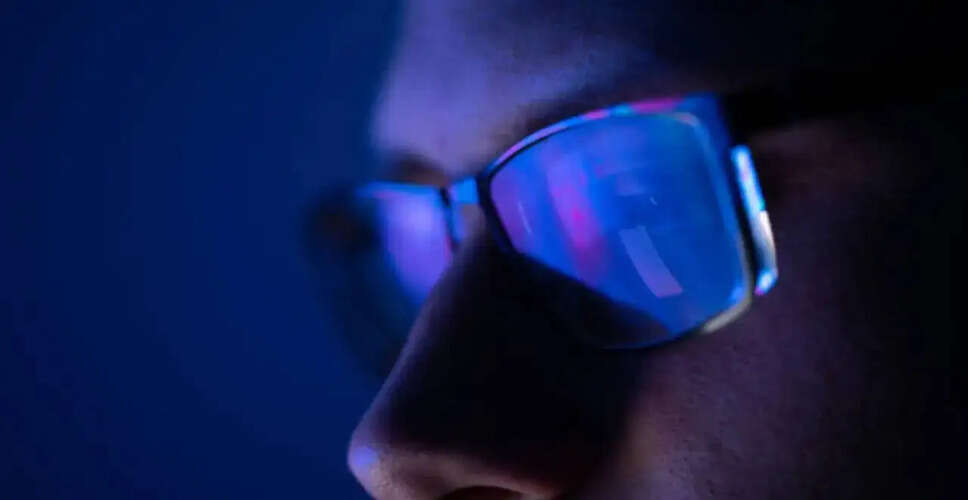
Understanding Blue Light Glasses
In our increasingly digital world, it's nearly impossible to escape screen time. With the prevalence of laptops, smartphones, tablets, and TVs, many individuals find themselves exposed to blue light for extended periods each day. This has led to rising concerns about digital eye strain, sleep disturbances, and long-term vision issues, resulting in a spike in the popularity of blue light glasses. These glasses are marketed as a remedy for screen-related fatigue, headaches, and blurred vision, claiming to filter out harmful blue light and safeguard your eyes. However, the question remains: are these glasses a genuine medical necessity or merely a wellness trend driven by modern anxieties surrounding screens?
Do Blue Light Glasses Alleviate Eye Strain or Headaches?
Do blue light glasses actually prevent eye strain or headaches?
Eye care specialists note that extended screen time can lead to symptoms such as dry eyes, eye strain, and difficulty focusing, collectively known as computer vision syndrome. Nevertheless, the specific impact of blue light is still under discussion. Dr. Pavitra S Bhat, Associate Director of Ophthalmology at Dr LH Hiranandani Hospital, states, “Comprehensive studies have not consistently shown that blue light filters significantly alleviate eye strain or headaches. Any perceived benefits are often minimal and may be influenced by the placebo effect or heightened awareness of screen usage.”
Do Blue Light Glasses Enhance Vision?
Can blue light glasses improve eyesight or stop deterioration?
It is important to clarify that blue light glasses do not enhance vision, correct refractive errors, or slow down vision deterioration. Conditions such as myopia, hyperopia, astigmatism, and age-related presbyopia are influenced by genetic factors and the structure of the eye, rather than blue light exposure from screens. Dr. Bhat explains, “While extremely high-energy blue light can harm the retina, the levels emitted by devices like phones and computers are significantly below harmful thresholds. Thus, claims that blue light glasses protect long-term vision lack substantial evidence.”
Identifying Headaches Linked to Vision Problems
When does a headache actually originate from the eyes?
Headaches that stem from vision issues typically arise when there are uncorrected vision problems. Incorrect prescriptions, latent farsightedness, or binocular vision disorders can cause the eye muscles to overexert, resulting in pain around the eyes, forehead, or temples. In such instances, appropriate prescription glasses or vision therapy are effective remedies, while a blue light filter alone does not address the underlying causes of these headaches.
The Role of Sleep, Posture, and Screen Habits
Do sleep, posture, and screen habits play a role in headaches?
These factors significantly influence headaches more than blue light exposure. Dr. Bhat notes, “Poor sleep can heighten headache susceptibility and diminish pain tolerance. Dehydration is a common cause of dull, persistent headaches. Additionally, improper posture while using screens can strain neck and shoulder muscles, leading to referred pain in the head.” She emphasizes that continuous screen use can also reduce the blink rate, resulting in dry eyes and discomfort. “Simple measures such as staying hydrated, taking regular breaks, maintaining proper screen height, ensuring good lighting, and getting enough sleep often alleviate headaches more effectively than specialized lenses,” she adds.
The Effectiveness of Blue Light Filters
Does adding a blue filter to your glasses help?
For most people, the additional benefits of blue light filters are limited. Proper vision correction and anti-reflective coatings are far more crucial for comfort. However, blue light filters may be beneficial for those who work late at night on screens, as they can help reduce melatonin suppression and promote healthier sleep patterns. Dr. Nairyosan Irani, Consultant Ophthalmologist at Ruby Hall Clinic, mentions, “Some individuals report feeling more comfortable due to reduced glare, but these glasses are not a guaranteed solution for headaches or eye strain.” He further advises that proper vision correction, ergonomic setups, regular breaks (following the 20-20-20 rule), hydration, and adequate sleep are more effective strategies. In conclusion, blue light glasses are not a medical necessity for most individuals. They do not prevent vision loss or reliably alleviate eye strain or headaches. Their primary value lies in providing comfort and potential sleep benefits for certain users. Ultimately, maintaining healthy screen habits, ensuring correct vision correction, and adopting good lifestyle practices are far more important than merely filtering a small portion of the visible light spectrum.
(Inputs by: Dr. Pavitra S Bhat, Associate Director – Ophthalmology, Dr LH Hiranandani Hospital and Dr. Nairyosan Irani, Consultant Ophthalmologist, Ruby Hall Clinic)