
Alarming Cholesterol Levels in India: A Wake-Up Call for Heart Health

A Disturbing Health Trend
A significant study conducted by the Indian Council of Medical Research (ICMR) has uncovered a concerning statistic: 87.3% of Indian adults exhibit at least one abnormal cholesterol or lipid level. This finding highlights dyslipidemia as a prevalent yet often ignored health issue in the country. The research contradicts the common notion that only older individuals, those with obesity, or diabetics are susceptible to high cholesterol levels. The ICMR-INDIAB study, which evaluated blood lipid profiles of 23,665 adults from all Indian states and Union Territories, indicates that many seemingly healthy individuals may be at a heightened risk for heart attacks and strokes.
Understanding Dyslipidemia
What is Dyslipidemia?
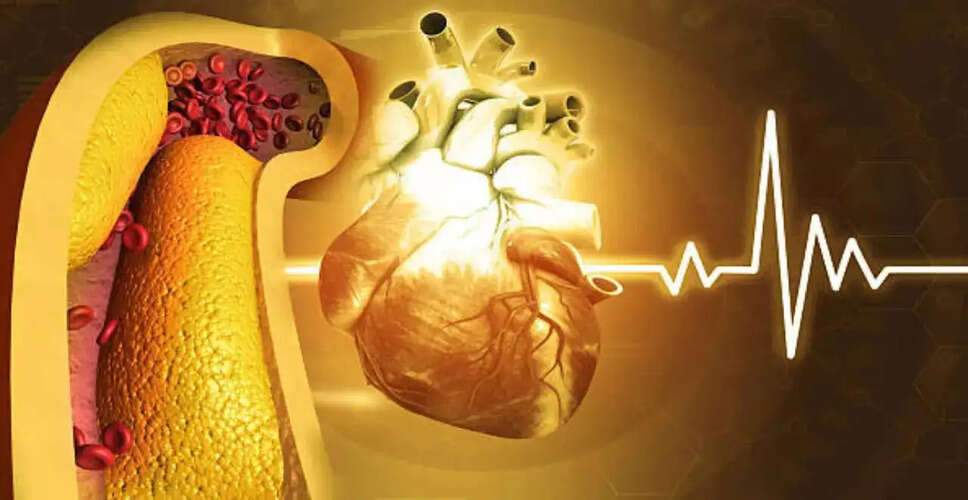
Dyslipidemia is characterized by abnormal lipid levels in the bloodstream, which includes elevated LDL (bad cholesterol), reduced HDL (good cholesterol), high triglycerides, and overall high cholesterol levels. Unlike many other health issues, dyslipidemia often presents no clear symptoms, allowing fatty deposits to accumulate silently in arteries for years, potentially leading to severe cardiovascular events.
The Major Concern: Low 'Good' Cholesterol
Low 'Good' Cholesterol Emerges as a Major Concern
The research revealed that low HDL cholesterol is the most prevalent issue, impacting nearly two-thirds of adults. Experts suggest that lifestyle choices significantly influence this condition, alongside genetic factors. The typical Indian diet, which is often high in carbohydrates, tends to elevate triglyceride levels, consequently lowering HDL cholesterol. Health professionals advocate for a balanced diet following the healthy plate model:
- One-quarter whole grains or healthy carbohydrates
- One-quarter protein
- Half the plate filled with vegetables and fruits
This approach can enhance cholesterol levels and lower cardiovascular risks.
Surprising Findings on Health Risks
Even Healthy-Looking Individuals Are at Risk
One of the most surprising outcomes of the study is that approximately 355 million Indians, who maintain normal blood sugar, blood pressure, and body weight, still present abnormal lipid levels. This indicates that being slim or free from diabetes does not guarantee immunity against heart disease. Experts argue that this finding challenges the conventional practice of only screening cholesterol in individuals with obesity, hypertension, or diabetes.
Early Onset of Heart Disease Risk
Heart Disease Risk Starts Earlier Than Expected
The researchers also discovered that dyslipidemia is most prevalent among adults aged 30 to 39, suggesting that cardiovascular damage can begin much earlier than previously thought. Since cholesterol-related plaque accumulates gradually over time, early detection is crucial in significantly lowering the risk of heart attacks, strokes, peripheral artery disease, and chronic heart conditions. The study also noted that women exhibited a higher overall prevalence of dyslipidemia compared to men. Urban populations were more affected, although the disparity between urban and rural areas is decreasing as processed foods and sedentary lifestyles become more common across the nation. Individuals with diabetes, obesity, and hypertension continue to show the highest rates of unhealthy cholesterol levels.
Natural Ways to Lower Cholesterol
How to Lower Cholesterol Naturally?
Healthcare professionals recommend several lifestyle changes to enhance cholesterol levels and safeguard heart health, including:
- Engaging in at least 150 minutes of exercise weekly
- Minimizing sugary foods and refined carbohydrates
- Avoiding trans fats and ultra-processed foods
- Incorporating more fruits, vegetables, legumes, and whole grains into the diet
- Including healthy fats from nuts, seeds, and fish
- Maintaining a healthy body weight
- Quitting smoking and limiting alcohol consumption
- Scheduling regular cholesterol screenings, especially after age 30 or earlier if there is a family history of heart disease