
Addressing the Malaria Crisis: Urgent Actions Needed for Prevention

The Ongoing Malaria Challenge
Malaria remains a significant global health concern, with over 280 million cases and close to 600,000 fatalities reported each year. Experts indicate that this lethal disease, particularly prevalent in nations like India, is exacerbated by climate conditions that promote mosquito breeding. Despite heightened awareness, the implementation of malaria prevention strategies in India is inconsistent, resulting in unnecessary complications and fatalities. Dr. Mala Kaneria, an Infectious Disease Consultant at Jaslok Hospital & Research Centre, stated, “Despite years of awareness initiatives and medical advancements, millions, especially in tropical and developing regions, still face the risk of infection.” Vulnerable populations, including children, the elderly, pregnant women, and individuals with pre-existing health conditions, are particularly at risk for severe infections and mortality.
Understanding the Malaria Threat
Why is Malaria a Persistent Health Crisis?
Malaria is caused by parasites transmitted through the bites of infected Anopheles mosquitoes. Although treatable, delays in diagnosis or treatment can lead to severe complications, including cerebral malaria, anemia, organ failure, and even death. Symptoms typically start with fever, chills, fatigue, and body aches, but many patients only seek medical help at advanced stages, which diminishes their chances of survival. Dr. Kaneria noted that co-infections during the monsoon season, particularly with dengue or leptospirosis, significantly increase the risk of severe outcomes and mortality.
Factors Contributing to Rising Malaria Cases
Why Are Malaria Cases Increasing?
Experts attribute the rise in malaria cases to various environmental and societal factors, including:
- Climate change expanding mosquito habitats
- Rapid urbanization and overcrowding
- Poor sanitation and stagnant water accumulation
- Resistance to insecticides and medications
- Delayed diagnosis and self-medication
As temperatures rise and rainfall patterns change, malaria is spreading to areas previously deemed low-risk. Dr. Kaneria emphasized that stagnant water, poor sanitation, urban overcrowding, and resistance to treatments are key contributors to the ongoing spread of malaria.
Moving from Awareness to Action
What Needs to Change?
While awareness campaigns have enhanced knowledge about malaria, preventive behaviors remain inconsistent. Dr. Shishir Joshi pointed out that many cases seen in clinical settings could have been prevented with simple precautions. “The need for urgent action is more critical than ever. Changes in weather patterns, inadequate urban planning, and poor water management have led to increased mosquito breeding sites. However, preventive measures such as using mosquito repellents, installing screens, and draining stagnant water have not been widely adopted,” he stated.
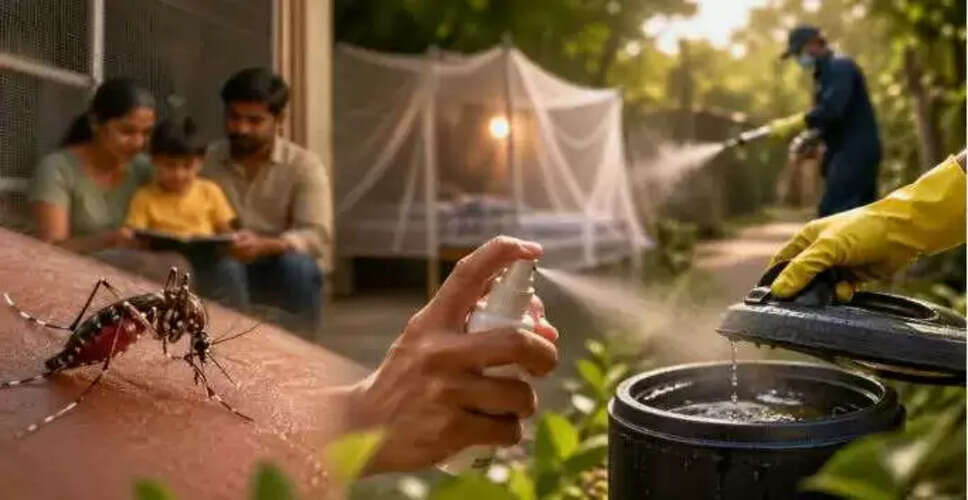
Key malaria prevention strategies include:
- Regular use of mosquito repellents and bed nets
- Installing window screens to prevent mosquito entry
- Eliminating stagnant water around homes
- Wearing long-sleeved clothing, especially in the evenings
The Importance of Early Diagnosis
How Early Diagnosis Can Save Lives
Dr. Joshi emphasized that early diagnosis is crucial to prevent severe complications. “Ignoring the issue can lead to serious conditions like cerebral malaria, anemia, or organ failure. Those most at risk include children, pregnant women, and individuals with weakened immune systems,” he explained. It is vital to view preventive measures as a collective responsibility. Effective monitoring, diagnostic tools, and prompt action are essential in the healthcare sector. Dr. Joshi also highlighted the importance of community engagement, stating that maintaining a clean environment and seeking medical help when experiencing fever can significantly impact malaria prevention.
Collective Responsibility in Malaria Prevention
Malaria Prevention as a Shared Duty
Transitioning from awareness to action requires ongoing commitment, not just during peak seasons but throughout the year. While malaria can be prevented and treated, achieving this necessitates collaborative efforts among individuals, communities, and the healthcare sector. Effective malaria prevention is a community-wide endeavor. Clean environments, proper waste management, and timely access to healthcare can greatly reduce transmission rates. Strengthening health systems to enhance disease monitoring, access to diagnostic tools, and public health awareness campaigns is essential. Although malaria is preventable and treatable, it continues to claim lives due to delayed responses and inadequate preventive practices. With increasing climate risks and urban challenges, the urgency to act has never been more pressing. Moving from awareness to action is the only viable path forward. Through coordinated efforts from individuals, communities, and healthcare systems, India can significantly lower malaria cases and save countless lives.