
Addressing India's Mental Health Crisis: The Stigma Surrounding Anxiety and Burnout
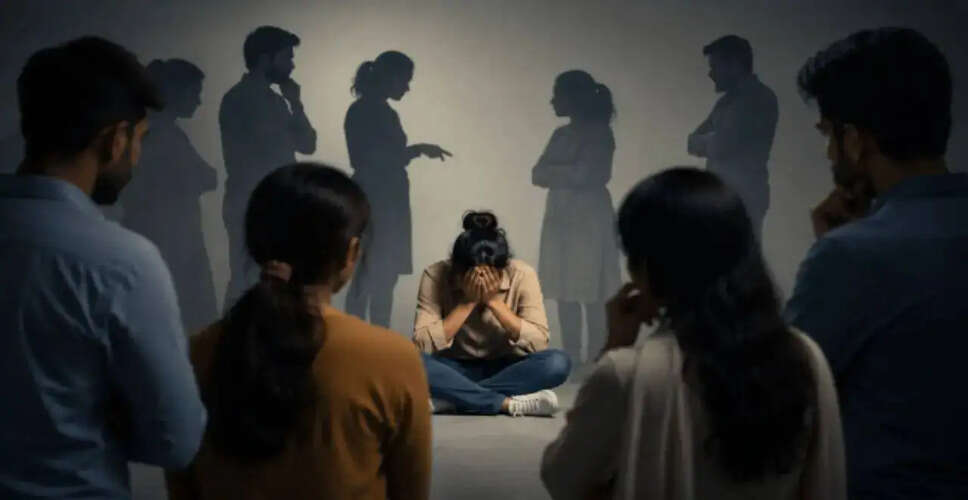

The Stigma of Seeking Help
Despite an increase in awareness regarding anxiety, panic attacks, and burnout, a significant number of Indians remain reluctant to pursue professional mental health assistance due to a pervasive fear of societal judgment—“Log kya kahenge?” (What will people say?). Dr. Shaurya Garg, a psychiatrist at the All India Institute of Medical Sciences, emphasizes that social stigma, familial expectations, and workplace scrutiny hinder many individuals from obtaining timely mental health care.
India's Mental Health Landscape
India’s Growing Mental Health Challenge
India is grappling with a substantial mental health crisis, characterized by a significant treatment gap that leaves millions without necessary care. Dr. Garg references the ongoing National Mental Health Survey (NMHS-2), which indicates that access to psychiatric services remains critically low nationwide. A recent analysis published in The Lancet, based on the Global Burden of Disease study, revealed a staggering 123.5% increase in anxiety disorders in India from 1990 to 2023. The findings particularly highlight that women and adolescents are among the most affected, pointing to a growing emotional health burden on these vulnerable demographics. Dr. Garg cautions that if anxiety continues to be dismissed as mere “weakness” or “stress,” India may exacerbate its mental health crisis. He notes, “My concern is not that young Indians are using the term anxiety too frequently; it’s that many are finally naming a struggle they’ve silently endured for years without seeking adequate help.”
Increased Visibility of Anxiety
Anxiety is Becoming More Visible in India
Dr. Garg points out that while anxiety disorders may not be increasing in isolation, they are becoming more recognized and reported. “Awareness has reduced silence, but it does not alleviate suffering,” he states. Today, many Indians are familiar with terms like anxiety, panic attacks, and burnout. However, this awareness does not guarantee access to therapy, emotional support, or healthy work environments. “Awareness has opened the door, but the support system behind it remains weak,” he adds. Various modern lifestyle pressures, such as academic competition, job insecurity, financial stress, and social media comparisons, are contributing to the decline in mental health.
Understanding Stress and Anxiety Disorders
When Stress Becomes a Mental Health Disorder
Experts assert that not all stress is harmful; everyday stress is often temporary and situational. However, anxiety becomes clinically significant when it is persistent, uncontrollable, and begins to impact sleep, relationships, work, and daily life. Dr. Garg notes that many individuals appear “functional” on the surface while struggling internally. “The real question is—does anxiety control your life?” he asks. Common symptoms of anxiety disorders include overthinking, panic attacks, chest tightness, and excessive worry.
The Burden on Young Indians
Why Are Young Indians Reporting More Burnout and Panic Attacks?
Today’s young Indians face immense pressure to succeed, from academic challenges to social media comparisons. Dr. Garg explains that panic attacks occur when the body’s threat response is triggered, leading to symptoms like breathlessness and fear. “There’s a lot to manage—academic performance, job prospects, and social expectations. The mind lacks the necessary downtime,” he explains. Burnout, he adds, is not just fatigue but profound emotional exhaustion stemming from prolonged stress.
The Dangers of Normalizing Anxiety
The Dangerous Side of “Everyone Has Anxiety”
Dr. Garg warns that while normalizing discussions about mental health can reduce stigma, trivializing anxiety as “just stress” can undermine serious psychiatric conditions. Phrases like “everyone has anxiety now” may lead individuals to postpone seeking help, even when symptoms worsen. “The risk is that while mental health language becomes popular, the seriousness of mental illness may be diluted,” he cautions.
Delays in Seeking Help
Why Do Indians Still Seek Help Too Late?
Dr. Garg notes that many patients in India often present with physical symptoms like headaches or fatigue rather than emotional struggles. Fear of judgment from family and societal pressures often delay the pursuit of psychiatric treatment. “While awareness has improved, the decision to seek help is still influenced by concerns about family reputation and societal perceptions,” he explains. Untreated anxiety can lead to long-term emotional dysfunction, depression, and social withdrawal.