
Addressing India's Cardiac Care Crisis: The Need for Equitable Access

Understanding the Heart Disease Challenge in India
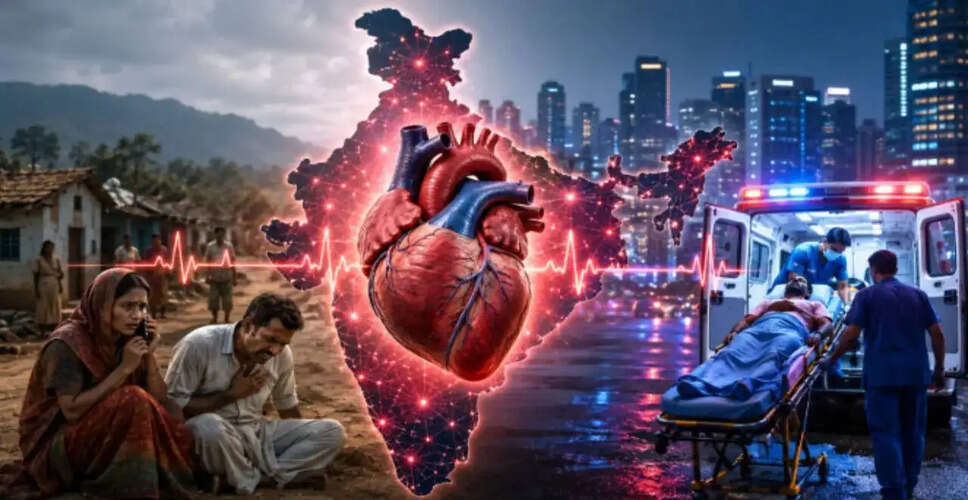
Heart disease stands as the foremost cause of mortality in India, yet experts emphasize that surviving a heart attack hinges on more than just recognizing symptoms; geographical location plays a crucial role. Despite significant strides in awareness regarding cardiovascular diseases nationwide, a substantial gap in access to specialized care continues to jeopardize the health of individuals residing in Tier 2 and Tier 3 cities. Experts assert that the challenge of cardiac care in India transcends mere education; it necessitates timely access to diagnosis and treatment.
Public health initiatives, digital health platforms, and programs like Ayushman Bharat have significantly raised awareness about heart attack symptoms, hypertension, diabetes, and preventive healthcare measures. Nowadays, a larger segment of the population can identify warning signs such as chest pain, shortness of breath, and discomfort radiating to the arm or jaw. However, mere awareness is insufficient if specialized care is not readily accessible. Dr. Vijay D'Silva, Medical Director at White Lotus International Hospital and Clinical Advisor at Heartnet India, stated, “Individuals in smaller towns are now aware of cardiac event warning signs and the importance of managing blood pressure and diabetes. Yet, the core issue remains unresolved: a patient who recognizes the need for a cardiologist but cannot access one promptly is no better off than someone who is unaware.”
The Disparity in Cardiac Care Access
Cardiovascular diseases account for nearly 28% of all fatalities in India, with the burden increasingly affecting smaller cities and rural areas. Unfortunately, healthcare resources are unevenly distributed. Rural Community Health Centres are facing an alarming 80% shortage of specialists, and the country has approximately one cardiologist for every 300,000 individuals. This ratio worsens significantly outside major urban centers.
Many district hospitals and smaller healthcare facilities lack essential cardiac services, including ECG monitoring, echocardiography, Holter monitoring, cardiac imaging, and emergency cardiac interventions. Consequently, patients are often referred to tertiary hospitals in metropolitan areas, which can lead to critical delays during emergencies.
The Importance of Timely Treatment
In the medical community, the phrase "Time is muscle" is frequently cited. During a heart attack, each minute without treatment can inflict irreversible damage to the heart muscle. Delays in diagnosis and treatment can lead to increased mortality rates, severe heart damage, heart failure, dangerous arrhythmias, permanent disabilities, and a diminished quality of life. For those in smaller towns, long travel times, transportation issues, and financial constraints often hinder access to life-saving treatments. Dr. Kuldeep Singh Sachdeva, President and Chief Medical Officer at Molbio Diagnostics, noted, “Access is also influenced by disease awareness: understanding your condition helps you seek appropriate care. While diagnostics facilitate access at all care levels, repeated visits, referrals, and delays can cause patients to disengage from the healthcare system.”
Enhancing Initial Care Access
In Tier 2 and Tier 3 regions, general practitioners (GPs) are typically the first point of contact for patients experiencing cardiac symptoms. Dr. D'Silva pointed out that the challenge lies not in the clinical knowledge of these practitioners but in their limited access to specialist support and advanced diagnostic tools. Fortunately, technology is beginning to address this gap.
IoT-enabled remote ECG monitoring systems now empower local clinics to send real-time heart recordings directly to cardiologists for immediate analysis. This capability allows GPs to make quicker, evidence-based decisions regarding referrals and emergency care without requiring patients to travel long distances. Rather than replacing existing healthcare systems, these technologies enhance them by improving connectivity.
Post-Hospitalization Care Challenges
The access gap extends beyond emergency treatment. Many heart attack survivors return to communities where structured cardiac follow-up is scarce. Challenges include inconsistent medication monitoring, poor blood pressure management, undetected arrhythmias, delayed heart failure diagnoses, and missed follow-up appointments due to travel expenses. Without regular specialist oversight, preventable complications can escalate into life-threatening situations.
Building Comprehensive Healthcare Ecosystems
Dr. Mansi Nigam, Consultant Physician at Kailash Deepak Hospital, highlighted that India's healthcare landscape is gradually improving, with specialist departments, advanced diagnostics, minimally invasive procedures, and multidisciplinary care becoming more accessible in Tier 2 and Tier 3 cities. However, experts concur that sustainable progress requires investment in comprehensive healthcare ecosystems that encompass trained specialists, telemedicine, remote cardiac monitoring, rehabilitation services, emergency preparedness, and ongoing patient education.
“The future focus should not solely be on constructing larger hospitals but on developing robust healthcare ecosystems. This includes trained specialists, advanced technology, emergency readiness, rehabilitation services, and continuous patient education. When these components are integrated, access improves, treatment initiation occurs earlier, and outcomes enhance,” she emphasized. Quality cardiac care should not be contingent on a patient's geographical location. While India has made notable advancements in heart health awareness, ensuring equitable access to timely diagnosis, specialist consultations, and advanced cardiac treatments remains a pressing challenge. Strengthening infrastructure, leveraging connected technologies, and empowering frontline healthcare providers could save countless lives annually and ensure that geography does not dictate survival.