
Actor Rajesh Sharma Hospitalized After Insect Bite Incident
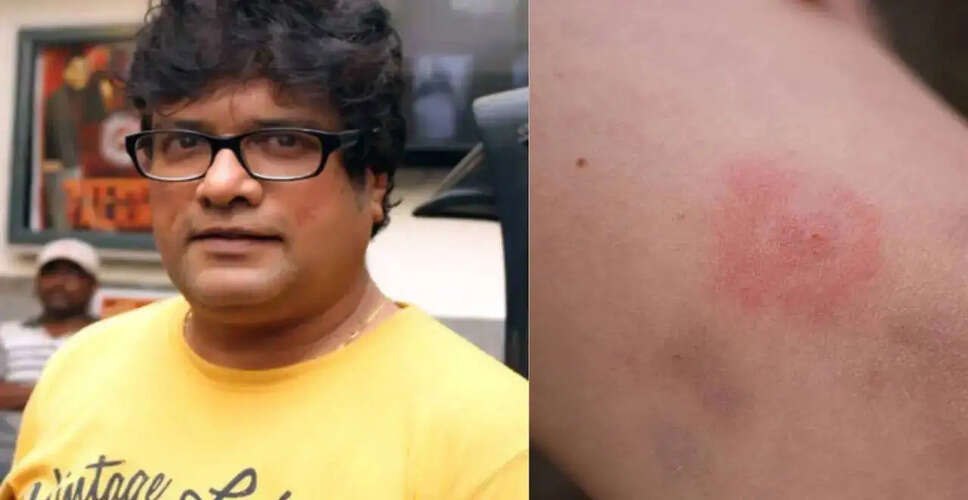

Rajesh Sharma's Health Crisis
Renowned actor Rajesh Sharma has been admitted to a Kolkata hospital in critical condition following a suspected insect bite he sustained while filming the movie Fauji at Ramoji Film City in Hyderabad. Reports indicate that Sharma was unaware of the bite and continued his work until he returned to Kolkata, where his health significantly declined. He is currently receiving treatment in the Critical Care Unit of the hospital. Although the precise cause of his illness remains unverified, this incident serves as a crucial reminder about the potential dangers of insect bites, which can sometimes lead to severe allergic reactions, infections, or even life-threatening diseases if not addressed promptly.
Understanding Dangerous Insect Bites
When Does an Insect Bite Become Serious?
Insect bites from mosquitoes, bees, wasps, ants, spiders, or ticks typically result in mild symptoms like redness, swelling, itching, or pain. However, certain cases can escalate quickly due to venom, bacterial infections, or allergic reactions, necessitating immediate medical attention. In India, insect bites can also lead to serious infections such as dengue, malaria, chikungunya, scrub typhus, and, in rare cases, Lyme disease, depending on the type of insect and the region.
Signs That Require Urgent Medical Attention
Symptoms Needing Immediate Care
Healthcare professionals recommend seeking emergency assistance if any of the following symptoms occur after an insect bite:
- Difficulty breathing or wheezing
- Swelling of the face, lips, tongue, or throat
- Severe dizziness or fainting
- Rapid heartbeat
- High fever or chills
- Persistent vomiting
- Severe pain or rapidly spreading swelling
- Red streaks around the bite, indicating infection
- Pus or foul-smelling discharge
- Confusion, drowsiness, or seizures
- Extensive skin rash or hives
These symptoms may signal anaphylaxis, a serious allergic reaction, or a significant infection that requires immediate treatment.
The Importance of Timely Response
Why Delayed Symptoms Should Not Be Ignored
Sharma's case underscores the fact that symptoms from insect bites may not manifest immediately. Some bites that initially appear minor can lead to severe swelling, tissue infections, bloodstream infections (sepsis), or delayed allergic reactions. If redness spreads, pain intensifies, or fever arises within hours or days post-bite, it is crucial to seek medical evaluation without delay.
First Aid for Insect Bites
What to Do After an Insect Bite
Medical experts recommend the following first-aid steps:
- Clean the affected area with soap and water.
- Apply a cold compress to alleviate pain and swelling.
- Avoid scratching to minimize infection risk.
- Use antihistamines or topical anti-itch creams as directed by a physician.
- Carefully remove any visible stinger without squeezing it.
- Monitor symptoms for 24 to 48 hours.
- Seek immediate medical help if severe symptoms arise.
Individuals with a history of severe allergic reactions should carry prescribed emergency medications, such as an adrenaline auto-injector, when available.
Preventive Measures Against Insect Bites
How to Prevent Insect Bites
Taking simple precautions can greatly reduce the likelihood of insect bites, especially during outdoor activities, travel, or the monsoon season. Recommendations include wearing long-sleeved clothing and trousers, using skin- or clothing-approved insect repellents, avoiding stagnant water where mosquitoes breed, and wearing protective footwear outdoors. Additionally, it is wise to check for insects after spending time in grassy or wooded areas. While investigations into Sharma's condition continue, healthcare professionals stress that recognizing warning signs early and seeking timely medical care can avert potentially life-threatening complications from insect bites. Even seemingly harmless bites should not be overlooked if symptoms worsen or unusual reactions occur.