
A Daughter's Gift: Overcoming Advanced Fatty Liver Disease Through Transplant

A Life-Saving Transplant Story
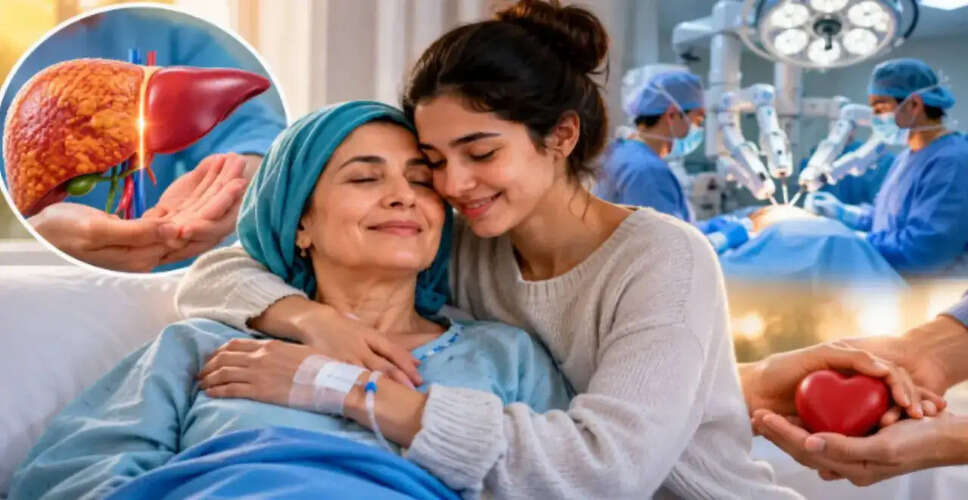
A 48-year-old woman from Iraq, Naima, faced a life-threatening situation due to advanced fatty liver disease that escalated to end-stage liver failure. Her only chance for survival was a liver transplant. In a remarkable act of love, her 24-year-old daughter, Fatima, volunteered to donate part of her liver, providing her mother with a new lease on life through a state-of-the-art robotic surgical procedure. This successful transplant, conducted at Manipal Hospital in Bangalore, underscores the increasing global prevalence of fatty liver disease and the transformative potential of modern transplant techniques.
Understanding Fatty Liver Disease
Naima had been living with Metabolically Associated Steatotic Liver Disease (MASLD), previously known as non-alcoholic fatty liver disease. This condition arises when excess fat builds up in the liver, often linked to obesity, diabetes, metabolic syndrome, or poor lifestyle choices. The insidious nature of MASLD allows it to progress without noticeable symptoms for years. By the time Naima sought medical help, she had developed decompensated cirrhosis, a severe form of liver disease, presenting symptoms such as:
- Jaundice (yellowing of skin and eyes)
- Ascites (fluid buildup in the abdomen)
- Leg swelling
- Severe liver dysfunction
- Risk of gastrointestinal bleeding
- Potential hepatic encephalopathy, affecting brain function
At this critical juncture, doctors concluded that a liver transplant was her only viable treatment option.
A Daughter's Selfless Decision
Fatima, an industrial engineer, immediately stepped forward to become a living liver donor. After thorough medical assessments confirmed her compatibility, the medical team chose to perform a robotic donor hepatectomy using the advanced da Vinci Xi robotic surgical system. This minimally invasive technique involves only a few small incisions, offering numerous benefits such as reduced post-operative pain, minimal scarring, lower hernia risk, quicker recovery, and a faster return to normal activities. During the surgery, approximately 65% of Fatima's liver was removed and successfully transplanted into her mother. Dr. Jayanth Reddy, Lead Consultant – HPB, Liver and Pancreatic Transplant, noted that robotic donor hepatectomy is increasingly favored for selected donors due to its advantages over traditional open surgery, which typically requires 6 to 8 weeks for recovery.
The Liver's Remarkable Regenerative Ability
The liver is unique in its ability to regenerate. Both the transplanted portion in Naima and the remaining liver in Fatima can grow back over time, restoring normal liver function. This regenerative capability makes living-donor liver transplants not only possible but often life-saving for patients with end-stage liver disease. Fatima experienced a swift recovery, being discharged just five days post-surgery without major complications, while Naima was monitored for about three weeks before her discharge and is now on the mend.
A Rising Global Health Issue
Health experts warn that MASLD is emerging as a leading cause of chronic liver disease worldwide. Nearly 30% of adults globally may be affected by fatty liver disease, with increasing obesity, diabetes, and sedentary lifestyles contributing to this rise. The Middle East is particularly impacted, with many patients seeking treatment only after irreversible liver damage has occurred.
Prevention is Essential
Doctors stress that fatty liver disease can often be prevented and managed if detected early. Key preventive strategies include:
- Maintaining a healthy weight
- Eating a balanced diet
- Regular physical activity
- Managing diabetes and cholesterol levels
- Limiting alcohol consumption
- Regular health screenings
Naima's journey highlights the importance of medical advancements and familial support, serving as a crucial reminder that fatty liver disease should not be overlooked. Early detection and lifestyle modifications can prevent the progression to liver failure and reduce the necessity for transplants.